
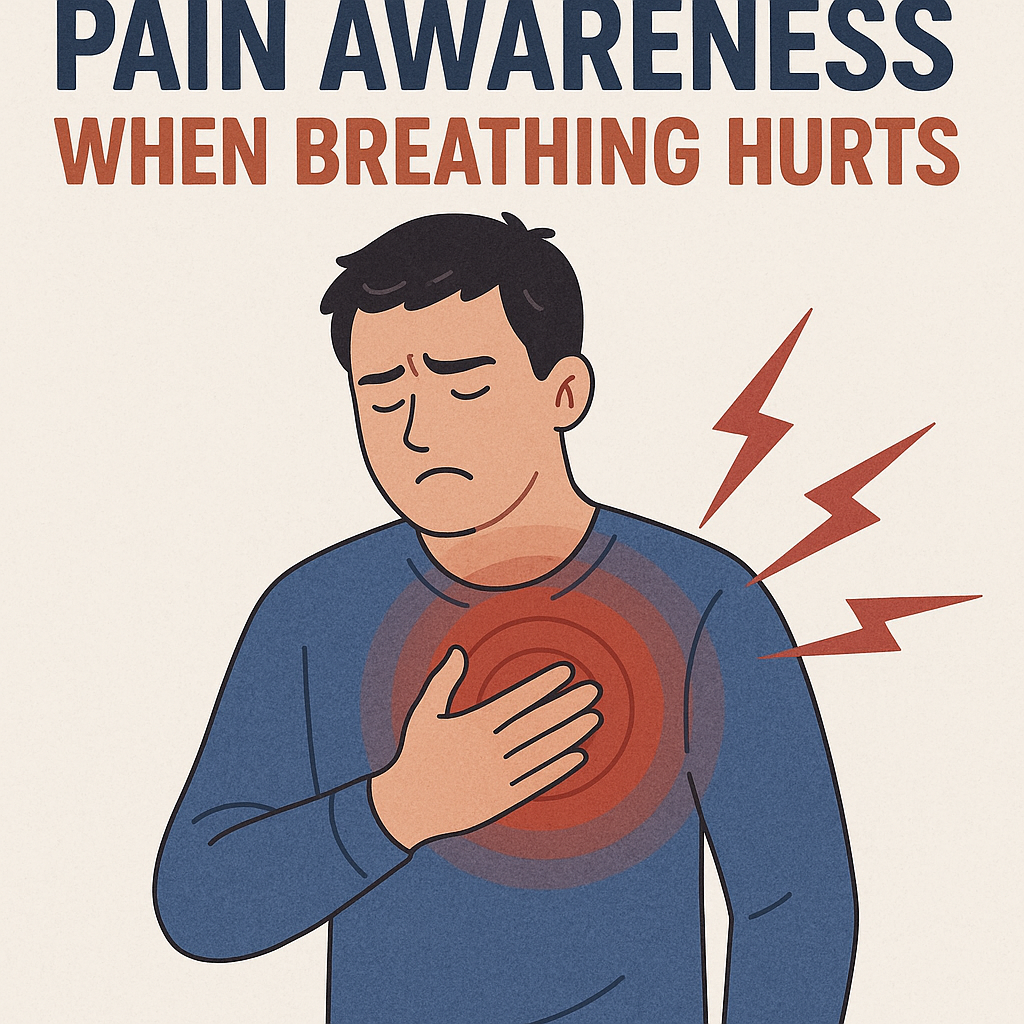
Pain Awareness When Breathing Hurts
Experiencing pain while breathing can feel unsettling and alarming. It’s a sensation that many people might overlook until it disrupts their daily life or follows a significant event—such as a truck accident. Developing pain awareness when breathing hurts is an important step for anyone looking to understand their body’s responses. This article explores why symptoms may appear after truck accidents, common symptom patterns to notice, why these symptoms can evolve, when people begin self-monitoring, and why general awareness is essential.
Why Symptoms Can Appear After Truck Accidents
Truck accidents are often high-impact events, exposing the body to sudden and sometimes intense forces. Even if a person doesn’t feel immediate discomfort, the body’s natural reaction to trauma can set the stage for pain or other symptoms to develop—sometimes hours or even days after the incident.
Breathing involves many body structures, including the ribs, muscles, lungs, and even nerves in the upper back and chest. During a truck accident, the force of the collision can affect any of these areas. While visible injuries such as bruises are easy to notice, the subtler discomforts, like pain while breathing, may only become evident after the adrenaline rush settles and the body begins to register its condition more fully.
Additionally, the psychological stress following an accident can heighten sensitivity to pain, making new sensations—especially those associated with breathing—feel more pronounced or concerning. This heightened awareness is a protective mechanism, designed to alert you to changes in your health.
Common Symptom Patterns (No Medical Instructions)
Recognizing symptom patterns is a key aspect of pain awareness when breathing hurts. Though each experience is unique, some common patterns can emerge after incidents such as truck accidents:
– Localized Discomfort: Some individuals notice pain is sharp and pinpointed, often in the chest or rib area. It may intensify when taking deep breaths, coughing, or moving in certain ways.
– Diffuse Aching: Instead of sharp pain, others may feel a broad discomfort across the chest, upper back, or side. This aching may be less intense but is persistent or noticeable with most breaths.
– Delayed Onset: Not all pain appears immediately after a triggering event. It is common for breathing pain to develop gradually, sometimes hours or days later, as swelling or muscle tension increases.
– Variable Intensity: The severity of pain while breathing can ebb and flow throughout the day. It might worsen with movement, certain positions, or increased activity, and subside while at rest.
– Associated Sensations: In some cases, pain awareness when breathing hurts includes sensations like tightness, tenderness to touch, or a feeling of pressure.
Everyone’s pain response and awareness of symptoms can differ, and even mild discomfort can be alarming simply because it is unfamiliar or unexpected. Building awareness of these patterns provides a foundation for understanding one’s own health journey.
Why Symptoms Can Change Over Time
Symptom patterns often do not remain static. After events like truck accidents, pain while breathing can change in character and intensity as time passes. Several factors contribute to these changes:
– Natural Healing Processes: As the body heals from an incident, inflammation may rise and fall, muscle tightness may ease, and minor injuries may begin to mend—each changing the sensation of pain.
– Activity Levels: Resuming normal activities or movements can either help or hinder comfort, depending on the body’s readiness.
– Emotional Response: Psychological factors, such as anxiety or stress about one’s health, can amplify or soften the perception of pain. As worries lessen, discomfort can sometimes decrease as well.
– Environmental Triggers: Seasonal changes, temperature fluctuations, or exposure to irritants (like cold air or dust) may influence the severity or awareness of pain while breathing.
– Awareness Growth: The more you become attuned to your body, the more likely you are to notice changes—both improvements and setbacks.
Understanding that symptoms can evolve underscores the importance of ongoing self-awareness rather than relying on first impressions alone.
When People Typically Start Monitoring Symptoms
The process of monitoring pain awareness when breathing hurts can begin at various stages. For many, the seriousness of an accident, a noticeable change in daily comfort, or the persistence of a symptom prompts closer attention. There are a few common scenarios that lead individuals to start monitoring their symptoms more actively:
– After a Noticeable Incident: If someone remembers the moment their breathing became uncomfortable—such as following a truck accident or a physical jolt—they may start paying attention right away.
– With Delayed Onset: For those whose pain develops over time, a sudden realization that breathing hurts (“this wasn’t there yesterday”) can trigger self-monitoring and awareness.
– With Symptom Progression: If discomfort gets worse, spreads, or is joined by new sensations, many people become more vigilant, sometimes noting changes day to day.
– Environmental or Activity Triggers: Some notice patterns connected to activities (e.g., pain increases after exercise or lifting) and decide to watch their symptoms closely.
– Advice from Others: Friends, family, or associates may recommend monitoring symptoms after a known traumatic event, even if only as a precaution.
The act of observing and noting changes—whether it’s keeping a journal or simply being mindful—can be an empowering step towards understanding one’s health, regardless of the ultimate outcome.
Neutral Closing Paragraph
Pain awareness when breathing hurts serves as an important tool in recognizing and understanding changes in your body. While the sensation can be unsettling, especially following potentially traumatic events such as truck accidents, noticing symptom patterns and changes over time can provide valuable insights into how your body responds to stress and physical impact. Maintaining an open, curious attention to your own experiences can foster a deeper sense of bodily awareness and confidence. Remember, each person’s experience is unique, and careful self-observation is a helpful part of the learning process.