
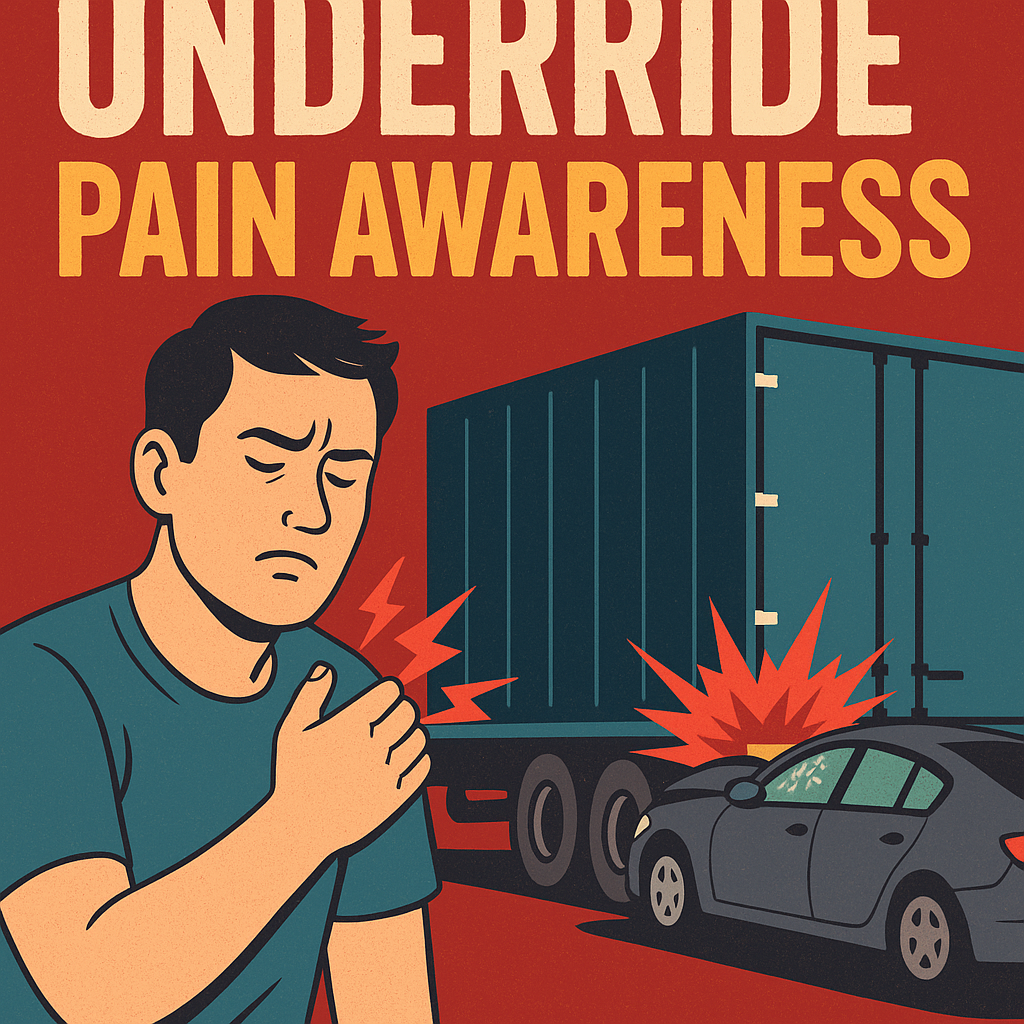
Pain Awareness After Underride Accidents
Underride accidents, where a smaller vehicle slides under the rear or side of a large truck or trailer, are among the most serious roadway collisions. These incidents can be traumatic, not only because of their physical severity but also due to the subtle and sometimes delayed pain that follows. Building underride pain awareness is crucial for anyone who is monitoring their health after such an event. Understanding why symptoms may appear late, how pain patterns evolve, and when people typically become alert to these issues are all important elements of the post-accident experience.
Why Symptoms Can Appear After Truck Accidents
After an underride accident, the body’s natural responses can mask pain or discomfort in the immediate aftermath. The seriousness of the impact often triggers adrenaline and other stress hormones. These biological responses can effectively dull sensations, helping people focus on immediate safety and escape from danger. During this time, certain injuries or strains may go unnoticed.
In the hours and days following the incident, as stress hormones drop, underlying discomfort can begin to surface. Soft tissue irritation, joint strains, or even aches from seat belts and airbags may only become evident after some time has passed. Furthermore, the seriousness of underride accidents often means that vehicles absorb impacts in unusual ways, sometimes affecting multiple areas of the body simultaneously.
It’s also important to recognize the role of emotional shock. Psychological stress from the incident can momentarily prevent individuals from processing physical symptoms. It’s not uncommon for stress or anxiety to take precedence over physical sensations, causing people to underreport or simply overlook pain at first.
Common Symptom Patterns
Pain after underride accidents can vary significantly from person to person, but several general patterns are observed:
Delayed Onset: Some people experience discomfort immediately, while others only notice issues many hours or days after leaving the scene. This delay can be linked to the gradual swelling of tissues, increased sensitivity as stress hormones recede, or the onset of inflammation.
Fluctuating Intensity: Physical symptoms might fluctuate in intensity throughout the day. For example, individuals may feel little pain during periods of rest, but discomfort could intensify with movement or certain activities.
Multiple Body Regions: Because underride collisions can impact both the lower and upper body, it is not uncommon for people to report discomfort in areas such as the neck, back, shoulders, chest, legs, and even the head. Sometimes, pain origins are difficult to pinpoint and may seem to “travel” or be felt in unrelated areas.
Generalized Stiffness or Achiness: This can include sensations of soreness, tightness, or heaviness in the muscles or joints. Such symptoms might appear once people resume routine movement, especially if they have been inactive after the accident.
Emotional Overlay: Stress, anxiety, and emotional distress following an underride accident can interact with physical symptoms. Heightened awareness of one’s body or, conversely, emotional numbness may influence how pain is experienced and reported.
These patterns highlight the complexity of underride pain awareness and underscore the need for ongoing observation without jumping to conclusions about the cause or seriousness of any symptoms.
Why Symptoms Can Change Over Time
Physical and emotional symptoms following a truck accident often evolve. This fluctuation can be attributed to a variety of factors:
Body’s Healing Response: In the days and weeks after an injury, the body initiates a healing process involving inflammation, tissue repair, and regeneration. Pain or discomfort can change as different phases of healing take place. For some, pain may initially increase as inflammation develops, then reduce as healing progresses.
Activity Level: As individuals resume regular activities, they may notice symptoms that were not apparent during periods of rest. Simple actions like walking, bending, or lifting objects can reveal hidden aches or stiffness.
Secondary Effects: Sometimes, overcompensation for one area of pain can lead to discomfort elsewhere in the body. For example, favoring one leg can lead to strain in the opposite hip or back over time.
Emotional Adaptation: Psychological responses also evolve. It is not unusual for people to experience changes in mood or stress levels as the days and weeks pass, possibly influencing their perception and awareness of pain.
Sensitivity to Pain: After a traumatic event, nerves may become more sensitive, making people more aware of sensations that would have previously gone unnoticed. Alternatively, lingering shock or distraction can delay awareness of new symptoms.
Understanding why and how symptoms can change over time is a key part of underride pain awareness. Recognizing evolving discomfort can help people keep track of how their bodies are adjusting after a collision.
When People Typically Start Monitoring Symptoms
Most people begin to consciously observe their physical condition several hours to a couple of days following an underride accident. The initial post-accident period often involves processing the event, dealing with authorities or insurance, and focusing on logistical matters. Once these immediate concerns are addressed, individuals may then turn their attention to how they are feeling physically and emotionally.
Sleep can play a significant role; for many, stiffness or soreness becomes more apparent after a night’s rest. Others may notice discomfort after engaging in routine tasks or after periods of inactivity. Emotional triggers, such as recalling the incident or experiencing similar stressful situations, can also prompt people to check in with their bodies and notice previously overlooked symptoms.
Cultural factors, personality traits, and previous experiences with injuries can influence when and how people start paying attention to post-accident pain. Some may keep track of their symptoms as a habit, while others might only become aware when discomfort significantly interferes with their daily activities.
Staying Informed About Your Wellbeing
Maintaining underride pain awareness is an ongoing process that involves careful observation and personal reflection. Every individual’s experience after an underride accident is different and shaped by many factors: physical, emotional, and situational. Paying attention to emerging symptoms, being mindful of changes over time, and understanding the natural patterns of pain and discomfort can help people gain a clearer picture of their health and wellbeing after such a significant event.
While this article is educational in nature and avoids offering medical or treatment guidance, it emphasizes the importance of knowing how pain can manifest and change after a traumatic collision. By building greater awareness, individuals empower themselves to make informed decisions and navigate their recovery with confidence and peace of mind.