
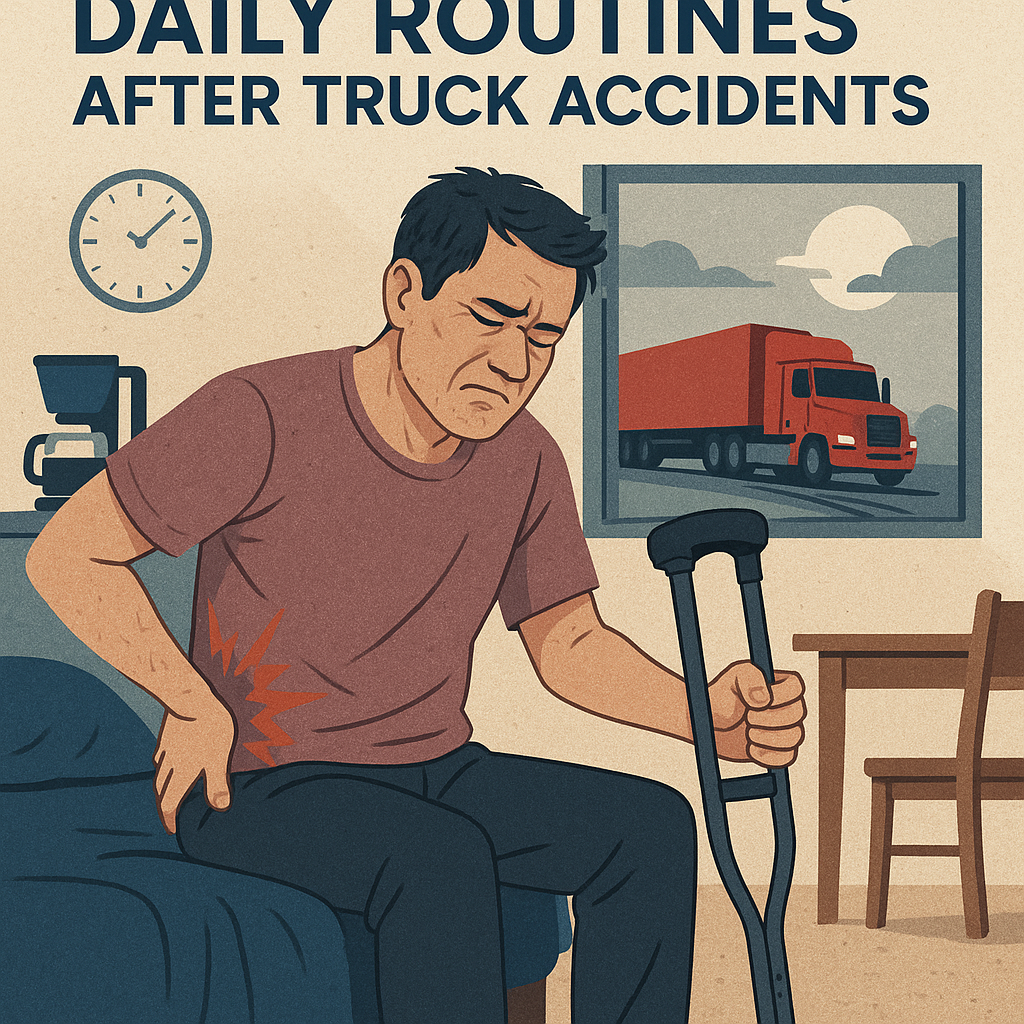
How Pain Impacts Daily Routines After Truck Accidents
Truck accidents can be life-altering events, not only because of the initial trauma but also due to the physical pain that may follow. Even after the immediate shock of the incident fades, individuals often find themselves grappling with a range of symptoms. The way pain impacts daily routines after truck accidents is an important subject, as it can influence everyday activities, emotional well-being, and overall quality of life.
Why Symptoms Can Appear After Truck Accidents
The body’s response to a significant accident, especially one involving large vehicles like trucks, can be complex. In the moments after a crash, adrenaline and endorphins surge. These natural chemicals can sometimes mask the pain or discomfort at first, leading to delayed awareness of symptoms.
Additionally, the sudden force exerted on the body during a truck accident can result in injuries that might not be immediately obvious. Muscles, joints, and soft tissues may experience strain or microtrauma that only reveals itself as the body returns to its normal state. Sometimes, the initial shock and activities in the aftermath—such as talking with authorities or arranging for towing—can distract individuals from noticing subtle signs of pain.
It’s also common for people to underestimate or overlook discomfort due to a desire to return to normalcy or because they are focused on practical concerns after the accident. For these reasons, pain and other symptoms may not become noticeable until hours or even days later.
Common Symptom Patterns
Although experiences can vary, there are a few symptom patterns that many individuals report after truck accidents that can affect their daily routines:
1. Stiffness and Soreness
One of the most frequently mentioned symptoms is general stiffness, especially in areas like the neck, back, and shoulders. This can make routine movements—like getting out of bed or reaching for objects—more difficult.
2. Changes in Mobility
Reduced range of motion is another common pattern. Simple tasks such as climbing stairs, bending over, or picking up groceries may suddenly become uncomfortable or require more time and effort.
3. Headaches and Fatigue
Some individuals experience headaches following a truck accident. This can impact concentration and limit the ability to perform tasks that require sustained attention, such as working on a computer or driving.
4. Sleep Disruptions
Ongoing discomfort or residual pain may interfere with normal sleep patterns. A decrease in sleep quality can, in turn, affect energy and mood throughout the day.
5. Sensitivity to Activity
Daily routines like going for walks, household chores, or simply sitting at a desk may feel more taxing than usual. People might notice that activities once considered effortless now require frequent breaks or modifications.
6. Emotional Strain Related to Physical Pain
Pain can also lead to frustration, decreased motivation, or changes in mood, which further complicate returning to usual routines.
Each of these patterns can have a cascading effect. For example, decreased mobility might lead to less physical activity overall, which can influence mood and make everyday functions more challenging.
Why Symptoms Can Change Over Time
Pain and related symptoms after a truck accident are rarely static. Instead, they can evolve due to various factors:
– Physical Adaptations: The body may compensate for areas of discomfort by shifting movement patterns. Over time, this can lead to different muscles or joints feeling strained or sore.
– Level of Activity: As individuals attempt to return to their regular routines, they may encounter new discomfort, discover previously unnoticed limitations, or feel symptom flare-ups after certain activities.
– Emotional and Mental Factors: Stress, anxiety, or sleep disturbances following an accident can influence how pain is experienced and managed, sometimes causing symptoms to seem more pronounced on some days than others.
– Environmental Triggers: Changes in weather, sleeping arrangements, or work demands may also play a role in how symptoms are experienced over time.
By understanding that pain can change—even weeks or months after the initial incident—people can be more patient with themselves and make practical adjustments to their routines as needed.
When People Typically Start Monitoring Symptoms
Many individuals begin to pay closer attention to their bodies after realizing that pain is persisting longer than expected or that it’s affecting their ability to do regular tasks. For some, this occurs within hours or days, especially if the pain quickly disrupts basic needs like sleep, mobility, or work responsibilities.
In other cases, the process of monitoring symptoms starts when someone notices difficulties in specific activities, such as lifting objects, managing household chores, or participating in hobbies. Sometimes, friends or family members may point out changes in behavior, prompting the individual to become more aware of ongoing discomfort.
Other motivations for tracking symptoms include wanting to communicate effectively with a healthcare provider, workplace, or insurance company, as well as looking to identify patterns that might help in managing daily life more efficiently.
As a result, people might start to pay attention to:
– When pain is most noticeable during the day
– Which activities tend to make symptoms worse or better
– How symptoms change over a period of days or weeks
– The impact of physical and mental rest
Being mindful of these patterns can help individuals understand their own needs and plan routines in a way that minimizes disruption.
Understanding the Role of Pain in Everyday Life
Truck accidents can introduce lasting changes to daily living, with pain being a central factor that shapes routines long after the event itself. By understanding why symptoms occur, recognizing common patterns, and being aware that how pain impacts daily routines varies over time, individuals can make more informed choices and set realistic expectations for themselves.
Awareness and self-monitoring are valuable as people adjust to new rhythms in their lives, even as they navigate uncertainty and change. While every journey is unique, knowing more about how pain can influence daily life after a significant accident is an important step towards empowerment and adaptation.