
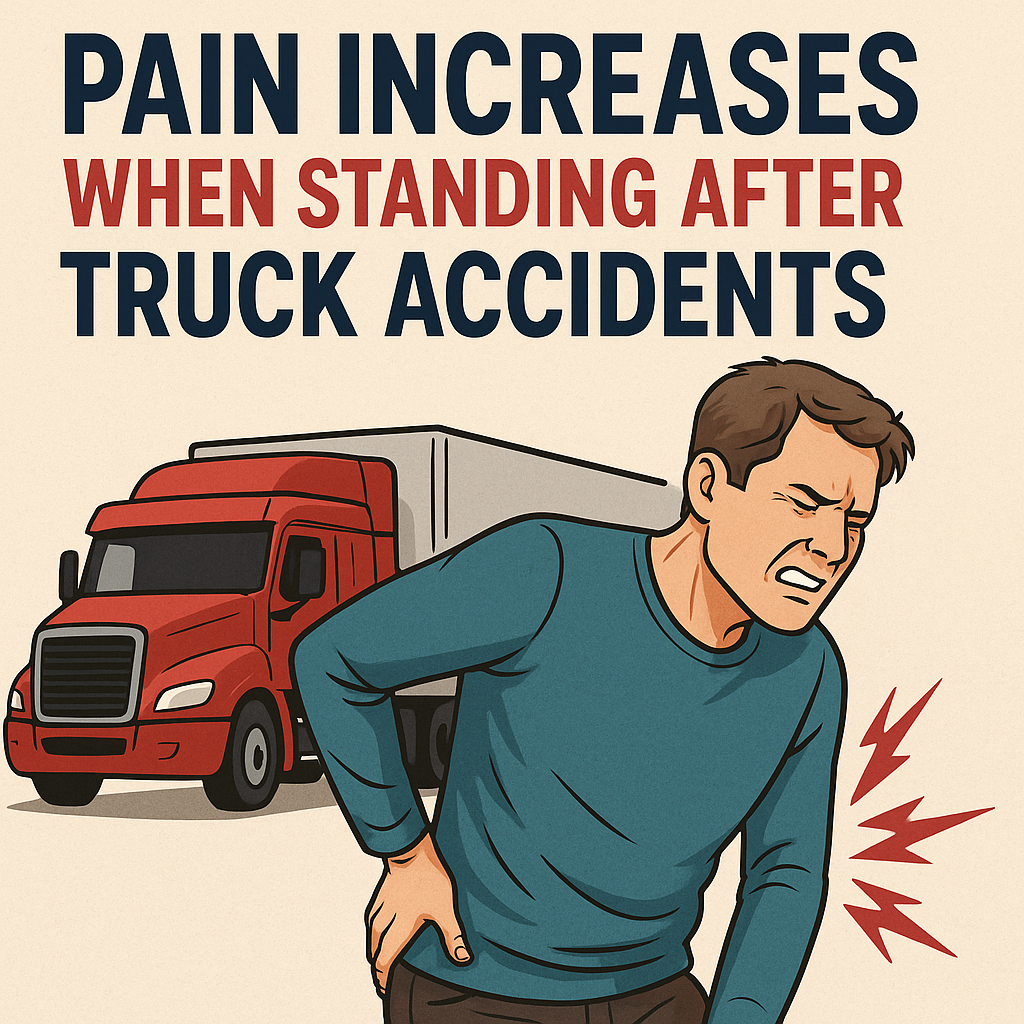
Pain That Increases When Standing After Truck Accidents
Truck accidents can lead to a variety of physical symptoms, many of which may not be immediately apparent at the scene. One experience reported by some individuals is pain that increases when standing after a truck accident. Understanding why these symptoms occur, how they may change over time, and when people begin to recognize them can provide valuable context for those navigating the aftermath of a collision. This article explores the patterns and timelines often associated with post-accident pain that intensifies with standing—without offering medical advice or instructions.
Why Symptoms Can Appear After Truck Accidents
After a truck accident, the human body is often subjected to sudden, intense forces. Even if the collision seems minor, the size and weight of a truck mean that the body may absorb significant impact. However, the full spectrum of symptoms may not appear right away. This phenomenon can be attributed to several factors:
Adrenaline and Shock Responses: Immediately following an accident, adrenaline often surges through the body. This natural response can temporarily mask sensations of pain or discomfort. As adrenaline levels subside in the hours or days after the incident, previously unnoticed aches and pains may become more apparent.
Soft Tissue and Musculoskeletal Effects: Many common injuries from truck accidents involve soft tissues or the musculoskeletal system. These tissues can sustain micro-damage that is not instantly felt but becomes more noticeable as inflammation sets in. Movements such as standing may exacerbate the awareness of discomfort as the body attempts to support its weight.
Increased Sensitivity with Motion: The biomechanics of standing can reveal or intensify pain points that are less noticeable when sitting or lying down. After a truck accident, standing can activate muscles, joints, or ligaments affected by the impact, making pain patterns more pronounced.
Common Symptom Patterns (No Medical Instructions)
Experiencing pain that increases when standing after a truck accident is not uncommon. The way pain presents itself can vary widely, but a few patterns are frequently observed:
Delayed Onset: It is often reported that pain related to weight-bearing (such as standing) may not be felt immediately after an accident. Some people notice a growing sense of discomfort hours or even days later, particularly upon standing for the first time after resting.
Localized vs. Radiating Discomfort: Some individuals describe discomfort that is localized to one area—such as the lower back, hips, knees, or feet—that becomes more intense with any weight-bearing activity. Others notice pain that radiates, spreading to surrounding areas during activities like standing or walking.
Stiffness That Eases With Rest, Returns With Activity: For many, pain may be accompanied by a feeling of stiffness that temporarily improves with rest but recurs or intensifies with standing or movement.
Variation With Posture and Position: Pain patterns might change depending on how weight is distributed through the body, such as when standing on one leg versus both or when transitioning from sitting to standing.
It’s essential to note that pain is subjective and unique to each person. What intensifies discomfort for one individual after a truck accident may have little effect on another.
Why Symptoms Can Change Over Time
Symptoms after a truck accident, especially those that are affected by standing, can evolve in the days and weeks that follow. Several factors contribute to these changes:
Development of Inflammation: The body’s inflammatory response to injury does not always develop instantly. Swelling and stiffness can increase over time, particularly with continued use of affected tissues. As inflammation progresses, standing may become increasingly challenging.
Healing and Adaptation: The human body continually adapts to injury. Over time, some tissues may begin to heal, and pain may decrease during standing. Conversely, continual activity on an affected area might prolong symptoms or result in different discomforts as the body compensates with altered movement habits.
Delayed Recognition: Sometimes, individuals may not associate the discomfort experienced during standing with their truck accident. This awareness may only come after patterns of pain become more consistent.
Impact of Daily Activities: Everyday behaviors—work, family responsibilities, exercise—may place differentiated demands on injured tissues. Depending on these factors, pain that increases when standing after a truck accident can sometimes become more pronounced or shift in nature.
When People Typically Start Monitoring Symptoms
After a truck accident, people pay attention to their symptoms at different times. Some may begin monitoring for new aches and pains immediately, while others only take notice when daily activities become difficult.
Immediately After the Accident: Those who are mindful of their body or have experience with injuries may begin noting any new or unusual sensations in the hours following a truck accident. However, as previously noted, adrenaline can delay this awareness.
First Attempts at Routine Activities: For many, the first time they realize pain increases while standing is during a return to routine, such as getting out of bed or standing up after a period of rest. If discomfort or reduced mobility is experienced during these moments, individuals may become more conscious of their symptoms.
Return to Work or Physical Activity: An increase in physical demand, such as going back to work or engaging in exercise, can bring underlying pain to the forefront, especially when standing or moving is required.
When Patterns Persist: If discomfort continues over several days or worsens, people tend to become more vigilant and may start keeping track of when and how symptoms increase.
Neutral Closing Paragraph
Pain that increases with standing after a truck accident can be a complex and evolving experience. The timing and nature of such symptoms often reflect the body’s responses to injury and stress. Recognizing general patterns can help individuals understand their own experiences, while also emphasizing the range of what is typical after such a significant event. Staying informed and observant of changes in one’s body is an important part of navigating the recovery process after any vehicle collision.