
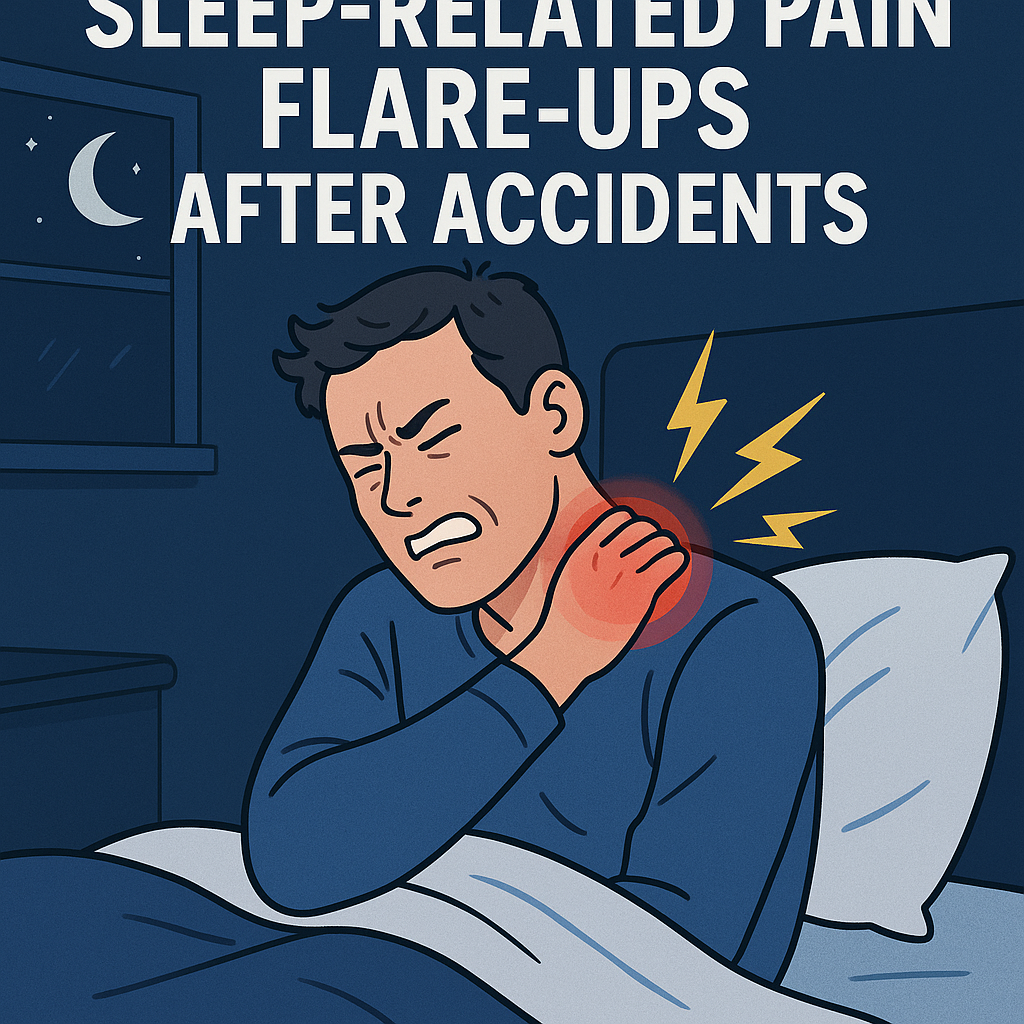
Sleep Related Pain Flare Ups After Accidents
Experiencing a truck accident is a significant event—one that can affect physical and emotional health long after the initial impact. Among the many consequences of such incidents, sleep related pain flare ups are commonly reported, often surfacing or intensifying after the event. Understanding why this happens and how symptoms can evolve over time is essential for anyone wishing to better grasp the intricate relationship between trauma, pain, and sleep.
—
Why Symptoms Can Appear After Truck Accidents
In the aftermath of a truck accident, the body and mind begin a process of recovery that does not always follow a predictable course. Even in accidents that appear relatively minor at first glance, the sheer force involved can produce hidden stresses and strains within the body. While some injuries are immediate and visible, others may linger undetected, gradually giving rise to pain that surfaces most noticeably during sleep.
Several factors contribute to the onset of sleep related pain flare ups following a truck accident:
– Physical Trauma: The intense force of a truck collision can result in strained muscles, sprained ligaments, or microtears in soft tissue. These injuries might not be noticeable during the day, especially with adrenaline masking sensations. At night, when the body is at rest and attention isn’t diverted, pain can become more apparent.
– Delayed Inflammatory Response: Inflammation is a natural part of healing, but it may not peak until several hours—or even days—after an injury. This delayed response can mean that pain intensifies after the initial shock has worn off, disrupting sleep as the body attempts to recover.
– Altered Sleep Positions: Accident-related discomfort often leads individuals to adjust their usual sleeping posture. These compensatory positions might place new strain on muscles or joints, contributing to further discomfort when trying to rest.
– Emotional Stress: Psychological impacts such as anxiety or hyperarousal can lead to disturbed sleep patterns, increasing awareness of bodily sensations, including pain.
All of these factors—physical, physiological, and psychological—create a complex interplay that can make sleep related pain flare ups more likely to appear or worsen in the days and weeks following a truck accident.
—
Common Symptom Patterns
While everyone’s experience is unique, some recurring patterns emerge when it comes to sleep related pain flare ups after a truck accident:
1. Delayed Onset
It’s not uncommon for symptoms to surface hours or days after the incident. Many people report feeling fine immediately after a crash, only to experience significant discomfort later. This pattern may include stiffness or soreness that is particularly noticeable during nighttime hours or upon waking.
2. Nighttime Intensification
For some individuals, pain feels more intense at night. This could be due to decreased distractions, as the quiet of the night makes physical sensations more noticeable. The body’s natural circadian rhythms may also play a role, with certain inflammatory processes becoming more active overnight.
3. Sleep Disruption
Frequent awakenings or difficulty finding a comfortable sleeping position can signal the presence of underlying pain. In some cases, pain might cause individuals to wake up multiple times, leading to fragmented sleep and increased daytime fatigue.
4. Patterns Linked to Specific Movements
Sleep related pain flare ups may become apparent only when certain positions are assumed. Lying on one side, twisting, or stretching out the legs can trigger discomfort in previously injured areas, such as the neck, shoulders, lower back, or hips.
It is crucial to remember that these patterns describe common tendencies, not specific diagnoses or predictions for any one individual.
—
Why Symptoms Can Change Over Time
Sleep related pain flare ups after a truck accident are rarely static. Instead, symptoms can shift in intensity, frequency, and location as days and weeks go by. Several factors can influence this change:
– Body’s Healing Process: The body naturally seeks to repair itself. As healing progresses, some symptoms may lessen, while others emerge due to changes in gait, posture, or physical compensation.
– Activity Levels: As people resume daily activities or attempt to return to work, new stresses may be placed on healing injuries, occasionally triggering new pain or aggravating old symptoms—especially at night.
– Emotional Adjustment: The psychological toll of an accident may become more prominent over time, and feelings like anxiety or stress can manifest as muscle tension or restlessness, compounding sleep related pain.
– Adapting Sleep Habits: In response to discomfort, individuals may change how and where they sleep. Sometimes, these adjustments solve one problem only to create another, altering the pattern of symptoms.
These evolving symptoms reflect the ongoing process of recovery and adaptation. They underscore the importance of self-awareness and patience when navigating post-accident experiences.
—
When People Typically Start Monitoring Symptoms
Awareness of sleep related pain flare ups often emerges in the days or weeks following a truck accident, once the immediate adrenaline rush has faded and the routine of daily life has resumed. While some may begin monitoring symptoms right away—keeping track of discomfort, its timing, and triggers—for others, it’s the disruption of sleep or persistent fatigue that raises red flags.
Monitoring tends to increase in the following situations:
– Persistent Sleep Disturbance: When sleep disruption becomes chronic, individuals often begin noting pain levels, positions that exacerbate or relieve symptoms, and patterns over time.
– Changes in Daily Functioning: If pain starts to interfere with work, tasks, or quality of life, tracking symptoms may become a tool for understanding and communicating one’s experience.
– Emotional Well-being: Sleep difficulties combined with pain can affect mood. Recognizing these changes may prompt individuals to begin keeping records of their sleep and pain patterns.
Journaling or using symptom-tracking apps can help individuals observe trends without providing self-diagnosis or specific treatment plans. This information can provide valuable context for future conversations with healthcare professionals.
—
A Balanced Perspective
Sleep related pain flare ups after accidents, especially truck accidents, are a multifaceted phenomenon influenced by physical injuries, inflammation, emotional responses, and changes to sleep habits. The experience of pain at night or on waking is a common, though often misunderstood, consequence of traumatic incidents. Recognizing that symptoms may emerge, intensify, or shift over time can aid in understanding one’s journey toward recovery. By keeping a neutral and observant approach, individuals can empower themselves to better describe and understand their experiences, supporting a more thoughtful response to post-accident changes.