
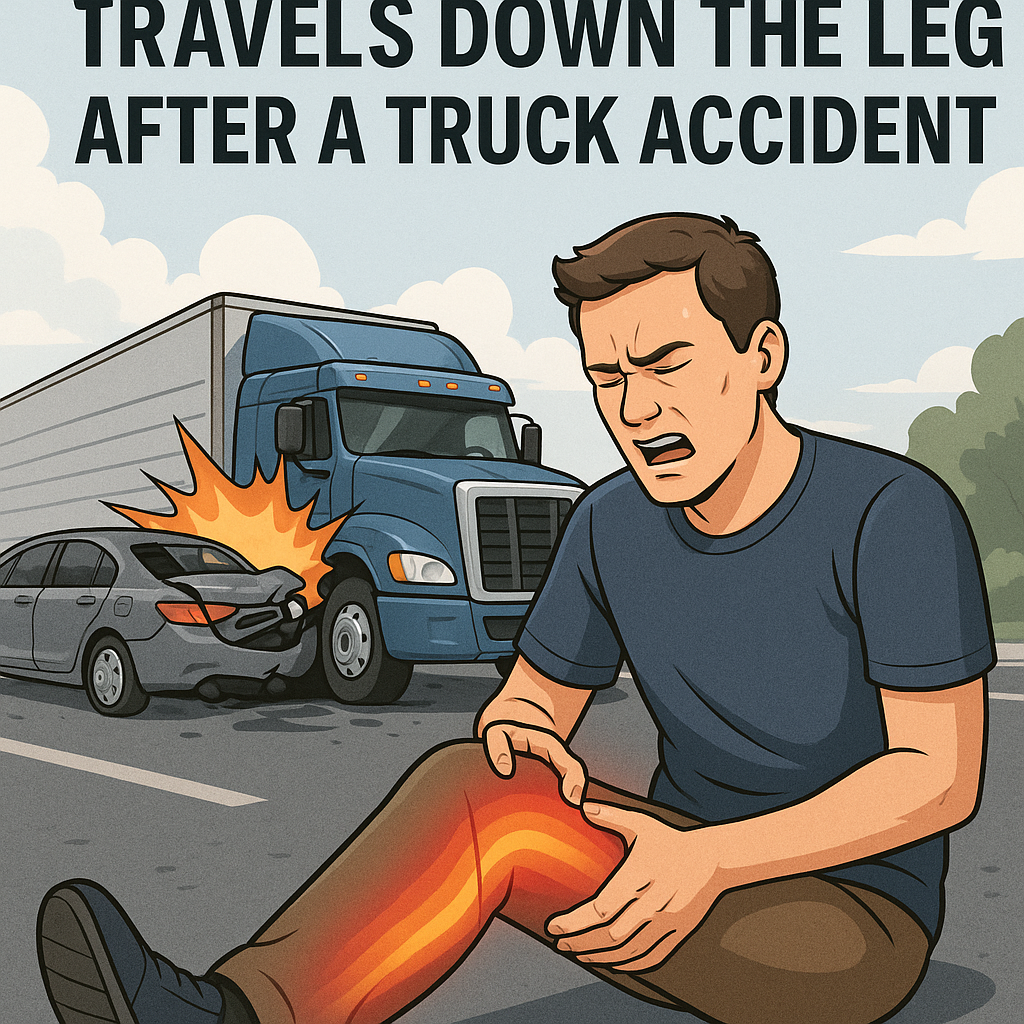
Pain That Travels Down the Leg After a Truck Accident
Truck accidents can be sudden, jarring, and incredibly stressful experiences. In the aftermath, people may notice a wide range of physical sensations—some immediately, others emerging hours or even days later. One commonly reported issue following a truck accident is leg pain that seems to travel or radiate from the lower back, hip, or buttock down one or both legs. This article explores why such symptoms can appear after truck accidents, common patterns of this kind of pain, how symptoms might change with time, and when people typically start paying attention to emerging sensations.
Why Symptoms Can Appear After Truck Accidents
A truck accident involves intense forces acting on the body over a very short period, even if the collision seems minor. The sheer size and weight of trucks can magnify the impact compared to other types of vehicle accidents. Both the sudden jolt and the body’s reaction to bracing, twisting, or being thrown by the force can result in a variety of effects on muscles, joints, ligaments, and nerves.
Even when a collision appears minor, the body absorbs energy it is not prepared for. Sometimes, the adrenaline and shock following an accident can mask pain and discomfort, only for symptoms to gradually emerge as the body processes the physical and emotional effects. For example, leg pain that stretches or travels may not be felt immediately but might develop as the body’s initial shock response starts to lessen.
Importantly, the direction and extent of forces during a truck accident can twist or compress different parts of the body unevenly. For example, a direct hit to the rear or side of a vehicle can cause a sudden flexion or rotation of the back and hips. This can affect structures in the lower spine or pelvis, which sometimes have connections to nerves that travel down the legs. The development of symptoms like pain, tingling, or numbness that radiates down the leg may be a reflection of these underlying biomechanical or neurological responses.
Common Symptom Patterns (No Medical Instructions)
Traveling leg pain after a truck accident can present in many different ways. While everyone’s experience is unique, there are several patterns that are commonly described:
– Pain Radiating from Lower Back or Hip: Many individuals notice that discomfort begins in the lower back or deep in the hip region, gradually extending downward along the buttock, thigh, and sometimes into the calf or foot. This is often described as a “shooting,” “burning,” or “aching” sensation that follows a line down the leg.
– Tingling or Numbness: In some cases, the leg pain is accompanied by tingling, “pins and needles,” or numbness along the same path. These sensations can come and go, or persist continuously.
– Symptoms Worsen with Activity: Some people find that activities like walking, sitting for prolonged periods, bending, or climbing stairs may bring on or intensify the pain. Others may observe that the discomfort is worse at certain times of the day or after specific movements.
– Fluctuating Intensity: It’s common for the intensity and nature of the pain to change throughout the day. For example, someone may feel relatively comfortable in the morning but notice increased symptoms after commuting, working, or even resting for a long time.
– Localized vs. Widespread Sensations: For some, the pain is confined to a small area, such as the outer thigh, while others experience discomfort that travels the length of the entire leg.
While these patterns are frequently reported, it’s important to remember that no two individuals are alike. Symptoms and their severity can be influenced by a person’s age, previous health conditions, and the specifics of the accident.
Why Symptoms Can Change Over Time
One of the most confusing aspects of post-accident leg pain is how the sensations can evolve days, weeks, or even months after the incident. In the immediate aftermath, the body’s natural stress response—a surge of adrenaline and cortisol—can mask pain or make it seem less intense. As this physiological response fades, underlying symptoms may become more apparent.
Additionally, inflammation and swelling from injured muscles, ligaments, or other tissues may not peak until hours or days after the trauma. This delayed onset can lead to a gradual increase in pain or a shift in its location. For example, initial stiffness or soreness may progress to traveling pain as inflammation affects different structures.
Changes in daily activity during recovery, such as avoiding certain movements or favoring one leg over the other, can also influence how symptoms develop. Sometimes, discomfort may lessen as the body naturally heals and adapts, while in other cases, compensatory movements may lead to new areas of soreness.
The emotional and psychological impact of a truck accident—from stress to sleep disruptions—can further play a role in how pain is felt and experienced over time. As people adjust, pay closer attention to their bodies, and return to their routines, they may become more aware of symptoms that were initially overlooked.
When People Typically Start Monitoring Symptoms
After a truck accident, it’s common for individuals to initially focus on major injuries, vehicle damage, and logistical issues at the scene. However, as adrenaline fades and responsibilities allow, attention shifts toward the body’s signals.
Typically, people begin monitoring their symptoms within the first 24 to 48 hours after an accident. During this window, stiffness, soreness, and unusual sensations may emerge. Some individuals might notice that basic activities—like getting out of bed, walking, or sitting—reveal new pains, including discomfort that travels down the leg.
As days pass, individuals may start to recognize patterns in their symptoms. For example, someone may observe that certain positions or movements provoke a traveling pain, or that rest does not bring complete relief. Keeping track of these patterns can be helpful for understanding how symptoms are evolving over time.
In some situations, additional stressors or activity—such as returning to work, driving, or physical exertion—can bring previously unnoticed symptoms to the surface. Over the course of a week or two, a clearer picture of the pain’s frequency, triggers, and progression may develop.
Conclusion
Pain that travels down the leg after a truck accident is a phenomenon many people experience. It can be linked to how the body responds to sudden, forceful impacts and how these impacts affect muscles, joints, and nerves. The patterns of pain can vary widely, change over time, and often become more noticeable as the initial shock wears off. Monitoring symptoms in the days after an accident can offer valuable insights, even though every individual’s experience is different. Understanding these possibilities can help people stay informed and better prepared while paying attention to their body’s responses following a truck accident.