
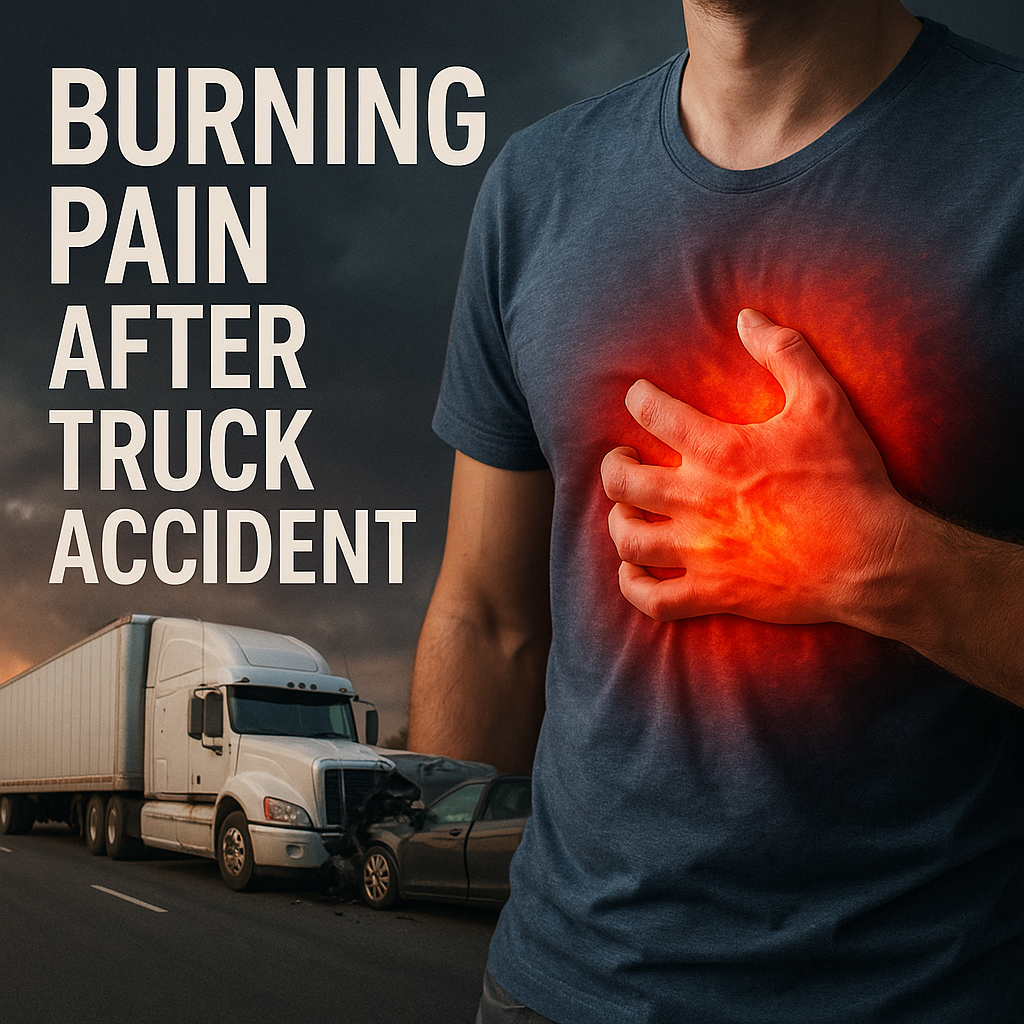
Burning Pain Sensations After Truck Accidents
Truck accidents can be traumatic and life-changing events. Beyond the immediate aftermath, many individuals face lingering pain and discomfort that may surface hours, days, or even weeks later. Among these sensations, “burning pain after truck accident” is a commonly reported experience. Understanding why this happens and how these symptoms may evolve is essential for individuals navigating the recovery process.
Why Symptoms Can Appear After Truck Accidents
Following a truck accident, the human body goes through a complex response to both physical injuries and emotional shock. While some symptoms—such as cuts, bruises, or obvious soreness—can be quickly identified, others may not present themselves until well after the initial event.
The “burning pain” sensation, specifically, is often associated with the body’s response to trauma. During the accident, tissues, nerves, or muscles can be stretched, compressed, or otherwise affected by forceful impacts. These injuries may not cause instant pain due to various reasons:
– Adrenaline Response: In the moment, adrenaline surges through the body, masking pain and helping individuals respond to danger.
– Delayed Inflammation: Injury-related inflammation often takes time to build up, sometimes causing pain hours or days later as the body’s repair mechanisms activate.
– Nerve Involvement: Nerves damaged or compressed during the accident may take longer to generate noticeable symptoms compared to muscle or bone injuries.
This delayed onset highlights why it’s important to remain attentive to the body’s signals long after the accident scene has been cleared.
Common Symptom Patterns (No Medical Instructions)
Experiencing burning pain after a truck accident can manifest in a variety of ways. While each case is unique, there are some commonly observed patterns:
1. Localized Burning: A sharp, burning sensation in a specific area, such as the neck, lower back, or limbs, is common after traumatic force or sudden movement. Individuals sometimes describe this as a “hot” feeling, tingling, or searing pain beneath the skin.
2. Radiating Sensations: Burning pain can also radiate along the path of nerves. For example, discomfort may begin in the spine and “shoot” down an arm or leg. This often co-occurs with other sensations like numbness or pins-and-needles.
3. Intermittent Episodes: Burning pain doesn’t always remain constant. For some people, it comes and goes, triggered by specific movements, pressure, or even seemingly at random. The unpredictability can make it more noticeable over time.
4. Sensitivity to Touch: Some individuals may notice that even light contact with skin near the affected area triggers a burning or stinging sensation, a phenomenon called heightened sensitivity or hypersensitivity.
These patterns can be distressing, especially if they intensify with time or interfere with daily activities. Recognizing these common experiences may help individuals anticipate what to expect and better communicate their experiences to health professionals if needed.
Why Symptoms Can Change Over Time
The nature and intensity of burning pain after truck accidents are not static. Symptoms can fluctuate for several reasons:
– Healing Process: As the body repairs damaged tissues or nerves, sensations can shift from acute pain to burning, tingling, or itching.
– Inflammation Cycles: Inflammatory responses can wax and wane, leading to hours or days of noticeable burning pain that may subside as swelling decreases.
– Activity Levels: Certain movements or activities may aggravate affected areas, temporarily increasing burning sensations.
– Psychological Factors: Emotional stress, anxiety, or post-traumatic responses can heighten the perception of pain, causing symptoms to feel more intense or persistent.
These changes underscore the importance of ongoing self-awareness and documentation of any new or changing symptoms. Tracking these fluctuations can facilitate more informed conversations with healthcare providers and support personal recovery journeys.
When People Typically Start Monitoring Symptoms
It is common for people involved in truck accidents to focus first on immediate, visible injuries and the logistics of recovery—vehicle repairs, insurance, and legal or employer notifications. However, once the dust settles and the adrenaline wears off, attention often shifts to lingering discomforts, like burning pain.
This monitoring typically begins:
– Within the First 24–48 Hours: As adrenaline levels decline, the body’s true state becomes clearer. People may start to notice burning, tingling, or other pain sensations as they go about daily activities.
– After the Initial Medical Evaluation: When initial injuries are addressed, individuals sometimes realize new symptoms developing afterward, prompting closer attention to changes in their well-being.
– Prompted by New Discomfort: Some start symptom journals or logs if they notice new or worsening pain—particularly unusual sensations like burning or hypersensitivity.
Consistent self-monitoring can be useful both for personal understanding and for sharing accurate information with healthcare, insurance, or legal professionals involved in post-accident care.
Neutral Closing Paragraph
Experiencing burning pain after a truck accident can be challenging, both physically and emotionally. Awareness of potential symptom patterns and an understanding of why discomfort may evolve over time empowers individuals to navigate the recovery period more effectively. Being attentive to the body’s signals can play an important role in personal recovery and well-being, providing valuable insights for ongoing health conversations.