
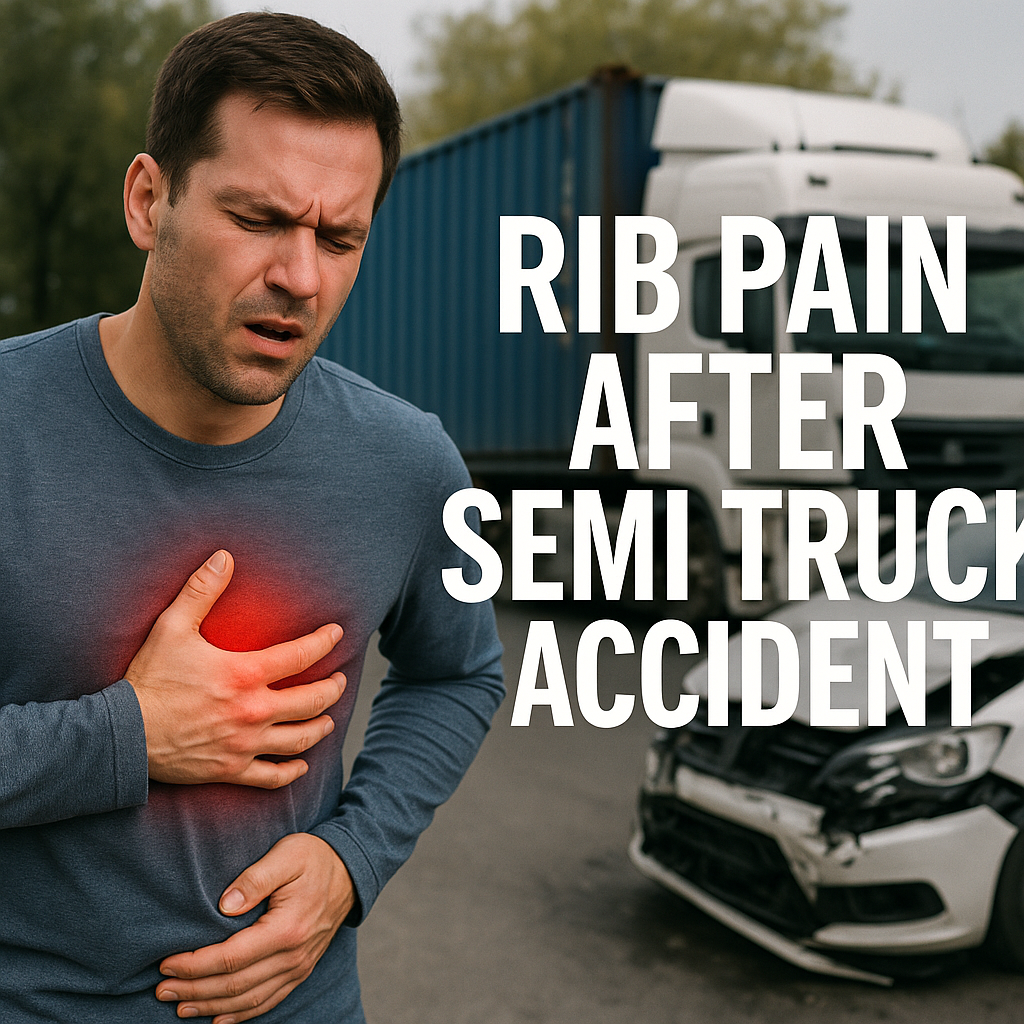
Rib Pain After a Semi Truck Accident: What to Know
When a semi truck is involved in a collision, the sheer size and mass of the vehicle often result in significant forces exerted on those inside smaller vehicles. One of the common complaints after these kinds of accidents is rib pain. Understanding why rib pain occurs, how symptoms may manifest, and why they can change over time is key to recognizing the potential effects of a semi truck accident.
—
Why Symptoms Can Appear After Truck Accidents
Large truck accidents create forces on the body that are very different from those involved in smaller vehicle accidents. The abrupt stop, change of direction, or even sideways pressure can all lead to impacts against seat belts, airbags, steering wheels, or even other passengers. In particular, the ribs—because they provide structure and protection to the chest area—often absorb some of the force during the collision.
Seat belts, while lifesaving, can concentrate force across the ribcage during sudden deceleration. The pressure from an inflating airbag can also contribute. Furthermore, the energy transferred to the body is often higher in truck accidents, leading to a range of possible symptoms, including rib pain. The pain itself isn’t always immediate; for many, it emerges hours or even days after the crash, highlighting the unique nature of trauma sustained in these accidents.
—
Common Symptom Patterns
Rib pain after a semi truck accident may present in various ways, and individuals experience a range of sensations and discomfort. Some common patterns noted by those involved in such incidents include:
– Localized Discomfort: Pain felt in a specific area along the ribcage. People might notice tenderness to the touch, aching, or a sharp sensation during certain movements.
– Pain with Breathing: Rib pain can sometimes feel worse during deep breaths, coughing, or sneezing. This effect is due to the movement of the ribcage with each breath or action.
– Stiffness and Soreness: Stiffness in the chest wall, particularly after periods of inactivity, is another frequent report.
– Radiating Sensations: Pain might occasionally seem to radiate towards the back or the shoulder, making it harder for individuals to pinpoint exactly where the discomfort originates.
– Bruising or Swelling: Some notice visual changes such as bruising, swelling, or redness on the skin over the ribs after their accident.
It’s important to note that each person’s experience will differ based on the specifics of the crash, the direction of the force, whether seat belts or airbags were in use, and individual factors such as age or physical condition.
—
Why Symptoms Can Change Over Time
The nature of rib pain and related symptoms after a truck accident can evolve in the days, weeks, or even longer following the event. There are several reasons for this:
1. Delayed Onset: Sometimes, adrenaline and shock immediately after an accident can mask pain. Only after the initial stress response fades do symptoms become more pronounced.
2. Swelling and Inflammation: The response of muscles and tissues to injury often involves swelling or inflammation, which tends to peak some time after the trauma itself. As swelling increases or decreases, pain and mobility can change.
3. Movement and Activity: Returning to normal activities may reveal symptoms that were unnoticed during rest or hospital observations. Movements such as twisting, lifting, or even reaching can bring about new discomfort.
4. Healing Process: As tissues begin to repair themselves, the characteristics of pain may change. For some, soreness gives way to stiffness, while others might experience fluctuating levels of discomfort at different times of day.
Because of these factors, it is not uncommon for individuals to notice new or changing symptoms well after the initial accident, making ongoing attention to one’s well-being an important part of recovery.
—
When People Typically Start Monitoring Symptoms
After a traumatic event like a semi truck accident, individuals may feel a rush of relief simply to be alive and alert. In the moments following the accident, the body’s adrenaline surge can mask pain, and attention is often directed at visible wounds, communication with emergency responders, or ensuring loved ones are safe.
It’s typical for people to start becoming more aware of rib pain hours or even days after the incident. Changes in posture, attempts to rest, or performing routine activities may make previously unnoticed symptoms more apparent. For some, waking up the next day brings a realization of soreness, while others find discomfort when attempting to laugh, cough, or carry out daily tasks.
The process of monitoring symptoms usually increases as the initial shock wears off. People may keep track of changes in how they feel, making mental or written notes of pain during certain activities or periods of rest. Increased awareness can also come after discussions with insurance adjusters, legal advisers, or healthcare professionals, who may ask questions about pain levels and physical abilities.
This ongoing monitoring helps in identifying patterns, such as pain that intensifies with movement or appears only under certain conditions. By paying close attention to changes, people can better understand how their bodies are responding in the aftermath of a significant collision.
—
Closing Thoughts
Rib pain after a semi truck accident can be a complex and evolving experience. The impact forces involved may not always cause immediate or obvious symptoms, and the way discomfort changes over time can be surprising. While rib pain is just one of many effects that might result from such a serious incident, understanding its possible patterns and progression helps individuals remain attentive to their wellbeing as they recover from the trauma of the crash. Monitoring changes, recognizing symptom fluctuations, and remaining observant in the days and weeks following the accident can all contribute to a clearer picture of one’s recovery journey.