
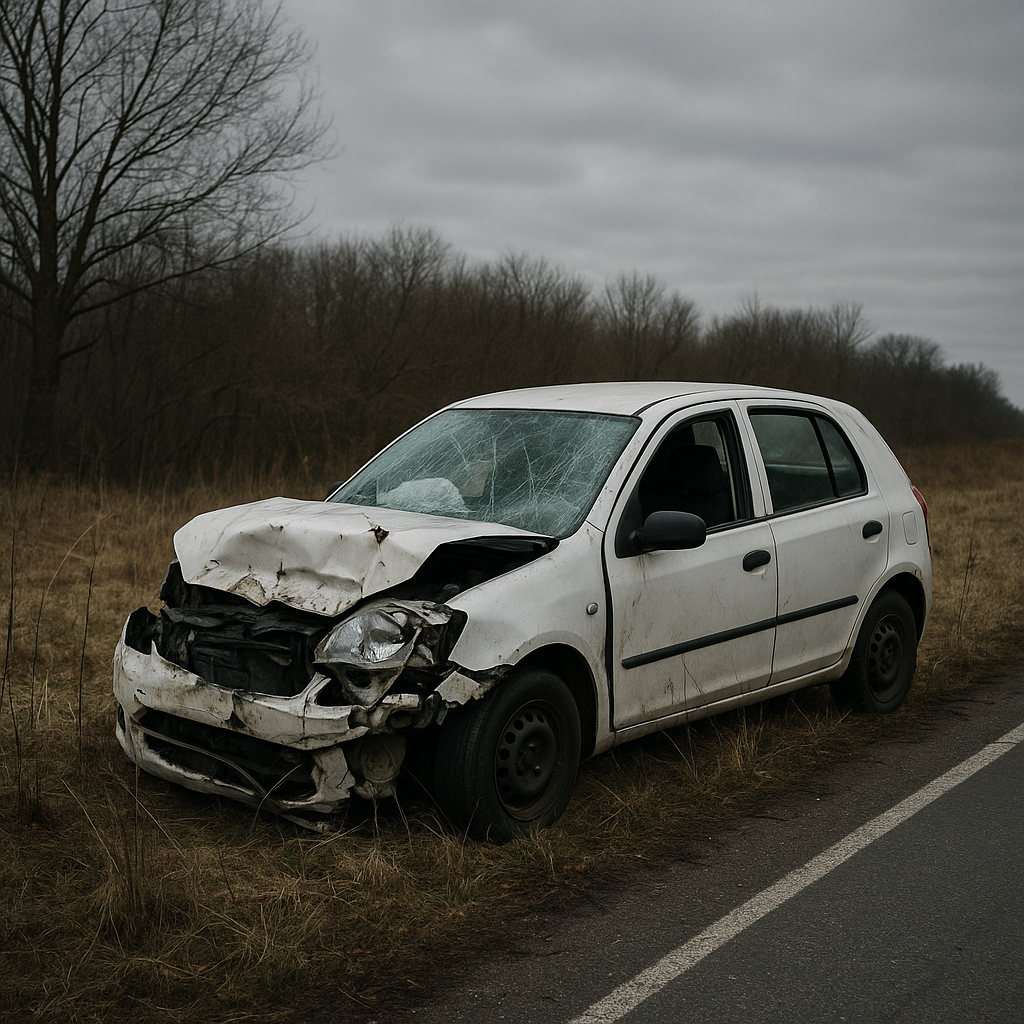
How Trauma Affects Emotional Regulation
Experiencing a traumatic event, such as a truck accident, can deeply impact a person’s emotional world. Trauma often alters how individuals process, understand, and respond to emotions—a phenomenon known as “emotional regulation.” This article explores how trauma, particularly following severe incidents like truck accidents, affects emotional regulation, discusses common reactions, and outlines how these responses may change over time.
Overview of Shock and Trauma After Truck Accidents
In the immediate aftermath of a truck accident, shock and trauma are common reactions. Truck accidents, due to their severity and suddenness, can be overwhelming. The combination of physical danger, unexpected events, and sensory overload can lead to a significant emotional and psychological response.
Shock often manifests as numbness, confusion, or disbelief. Trauma, meanwhile, refers to the lasting emotional response that can develop after witnessing or experiencing a distressing event. Both shock and trauma can profoundly influence how individuals manage their feelings—sometimes for weeks, months, or even longer after the incident.
Understanding how the mind and body react in these circumstances can provide some context for the emotional challenges that may arise during recovery.
Why the Body and Mind React This Way
Emotional regulation trauma is rooted in the way human brains are designed to handle threat and stress. The body’s natural “fight, flight, or freeze” response is triggered when a person perceives danger. In truck accidents, this system is activated abruptly and powerfully.
When faced with trauma, the brain releases stress hormones such as adrenaline and cortisol. These chemicals prepare the body to react quickly but can also suppress the parts of the brain responsible for rational thought and emotional control. The amygdala, or the brain’s “alarm system,” becomes more sensitive, while the prefrontal cortex, which helps with regulation and reasoning, may become less active.
This shift is the body’s way of preparing for immediate survival, but it can also disrupt emotional balance. The impact on emotional regulation trauma can be immediate or may become apparent over time. As a result, people might find themselves more emotionally reactive or disconnected than before.
Common Reactions People Experience
The effects of trauma on emotional regulation can vary, but some common reactions include:
Heightened Emotional Responses
Some individuals may experience rapid mood swings, anger, irritability, or tearfulness that feels disproportionate to the situation at hand. Small stressors may trigger strong emotional outbursts or intense frustration.
Emotional Numbness
Others might feel emotionally blunted or detached. Activities or relationships that previously brought joy may seem dull or meaningless. This can be the mind’s way of protecting itself from overwhelming feelings.
Difficulty Identifying Emotions
Trauma may cause confusion about one’s own feelings. People might notice that it’s hard to label emotions or understand what’s causing distress, making self-regulation even more challenging.
Overwhelming Anxiety and Fear
Especially after truck accidents, individuals may become preoccupied with worries about safety, leading to hypervigilance or a persistent sense of danger.
Physical Symptoms
Emotional distress often appears in the body. Headaches, stomachaches, fatigue, or insomnia can sometimes be linked to the psychological impact of trauma, further complicating emotional regulation.
How These Reactions Can Change Over Time
Responses to trauma are not fixed. With time, the intensity and nature of emotional reactions may shift as the brain and body process what happened.
Short-Term Changes
In the days and weeks following a traumatic accident, emotions are often unpredictable. Stress hormones remain elevated, and the mind may still be processing the event, making emotional regulation difficult.
Adaptation or Ongoing Challenges
Some people find that their emotional responses return to baseline as weeks pass. Others may notice a gradual improvement but occasionally experience “triggers” that bring back intense feelings related to the trauma.
For some, difficulties in emotional regulation persist beyond the initial recovery period. This can include prolonged sensitivity, outbursts, ongoing numbing, or trouble relating to others. In some cases, these persistent changes can indicate a need for further support in processing trauma.
Changes in Coping Strategies
Over time, people may develop new ways—consciously or unconsciously—to manage their feelings. Some of these strategies can be helpful, such as reaching out for social support or engaging in calming activities. Others, like avoidance or emotional suppression, might provide temporary relief but could make emotional regulation more challenging in the long run.
Closing Reassurance Paragraph
Emotional responses to trauma, including challenges with regulation, are part of the body’s natural adaptation process to overwhelming circumstances. Each individual’s experience is unique, and emotional reactions can shift as time passes. Gaining an understanding of these changes may offer a sense of perspective, even when feelings seem unfamiliar or difficult to manage. The journey through emotional regulation trauma is often non-linear, marked by periods of both progress and setbacks, and unfolds in its own time for each person.