
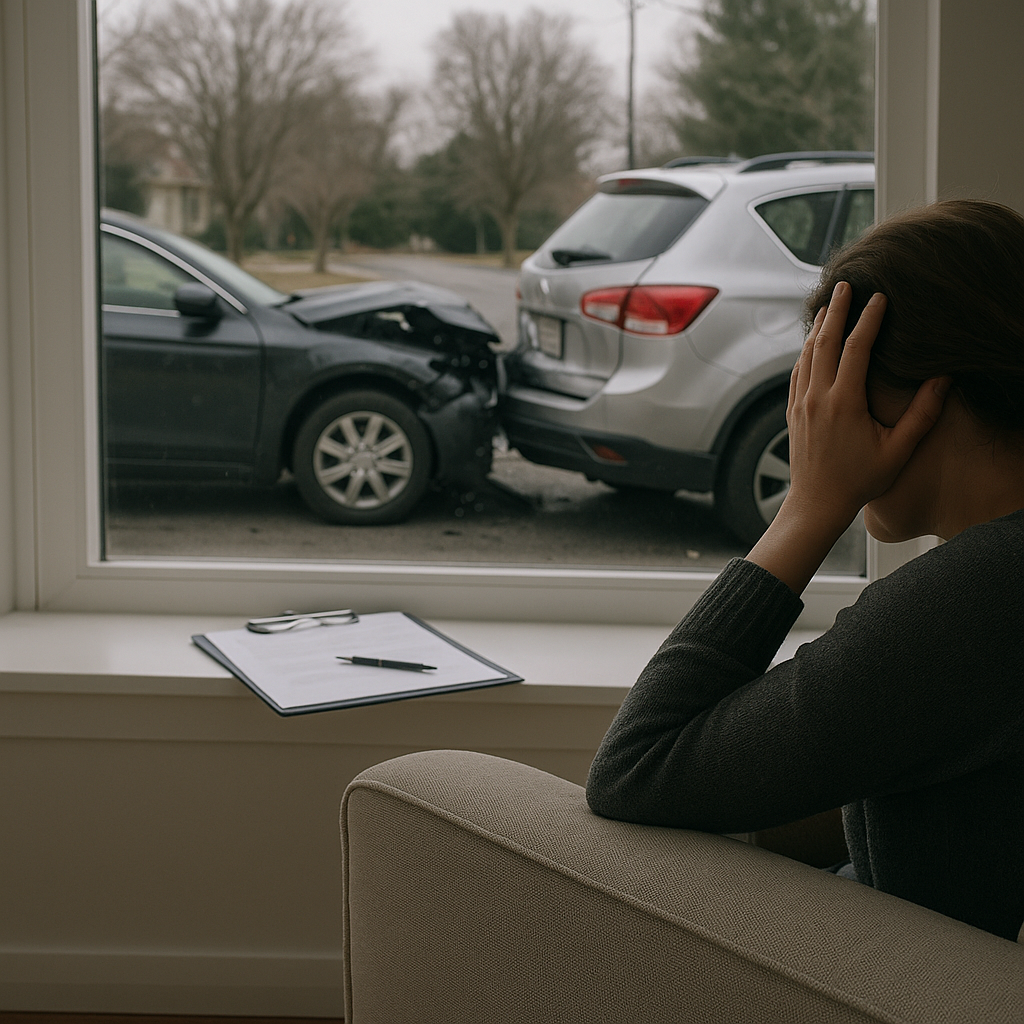
Why Do I Feel Worse After Talking to Insurance?
After a significant event like a severe accident, countless people report feeling worse after talking to insurance. Whether you’re dealing with property damage, injuries, or emotional distress, it’s not uncommon for these conversations to leave you feeling drained, frustrated, or more anxious than before. But why does a routine step in the process seem to amplify your discomfort?
Why This Question Is Common After Severe Accidents
In the aftermath of a traumatic event, most people primarily focus on immediate needs—medical care, safety, informing loved ones, or arranging transportation. Eventually, the process of “sorting things out” catches up, and this often means engaging with insurance companies. These conversations can be lengthy, detailed, and sometimes confusing.
For many, reaching out to insurance feels like the start of a solution. Yet, surprisingly often, people report feeling even more unsettled once the call ends. This reaction is especially widespread after severe accidents, when individuals are already under significant emotional and physical stress, and are seeking clarity or comfort from official channels.
After an accident, the hope may be for reassurance or immediate clarity. Instead, policyholders encounter detailed questions, unfamiliar procedures, and complex terminology. This blend of expectations and realities tends to leave even the most prepared individuals feeling “worse after talking to insurance.”
Clear Neutral Explanation
At its core, interacting with insurance after an accident is a formal process. Insurance companies require specific information: exact timelines, thorough descriptions, policy details, and sometimes documentation. What may feel like pressing or impersonal questions is a standardized process designed to clarify circumstances and ensure compliance with policy terms.
Representatives are tasked with documenting facts, which means conversations might not address emotional impacts or the personal distress you’re feeling. Even the most empathetic adjuster operates within systems that prioritize accuracy, documentation, and due process over emotional support.
This dynamic can feel jarring, especially when still shaken from an accident. The focus on logistics—a necessary part of damage assessment and claim verification—can seem distant from the very real world you are navigating. The gap between personal need and professional process often contributes to the sense of being “worse after talking to insurance.” The system is designed to solve problems, but the manner in which it operates may unintentionally amplify stress.
Helpful Emotional Context
It’s natural to seek understanding or a sense of partnership when speaking with someone tasked with helping you restore your life, property, or peace of mind. After a severe accident, individuals often feel vulnerable, overwhelmed, or even guilty. These emotions are valid and are intensified in high-stress moments.
Insurance conversations, by nature, shift focus to “facts and figures.” For some, this change in focus can feel dismissive or minimizing, even if that was never the intent. Being asked to recount stressful events in precise detail can also cause you to relive unpleasant moments, rekindling anxiety or sadness.
Some people also worry about saying something wrong, fearing it might jeopardize their claim. This pressure—on top of existing distress—further contributes to why people feel worse after talking to insurance. The lack of immediate resolution or empathy can leave needs unmet, compounding the emotional aftermath of the original incident.
Common Misconceptions
One frequent misconception is that insurance companies are inherently adversarial or uninterested in helping. While insurance is indeed a business, and protocols exist for specific reasons, representatives are not typically aiming to make things more difficult. The process is structured, with requirements put in place to avoid misunderstandings and ensure policies are upheld fairly.
Another misconception is thinking you must have all the answers or perfect recall. In reality, insurance adjusters expect some uncertainty, especially soon after an incident. It’s normal not to remember every detail or to feel uncertain as events are recounted.
It’s also common to believe that these emotions are personal weaknesses, or that feeling “worse after talking to insurance” means you’re handling things poorly. In fact, these reactions are widespread and understandable given the circumstances and the formal, transactional nature of the claims process.
Closing Paragraph
Feeling worse after talking to insurance is a genuine, common reaction in the wake of severe accidents. The gap between personal needs and the procedural workings of insurance companies can unintentionally heighten stress and discomfort. Recognizing that these feelings are a natural response—not a failing—can offer a degree of comfort. This disconnect, while challenging, is a widely shared experience and one that underscores the often-unseen emotional toll of navigating recovery after a loss or accident.