
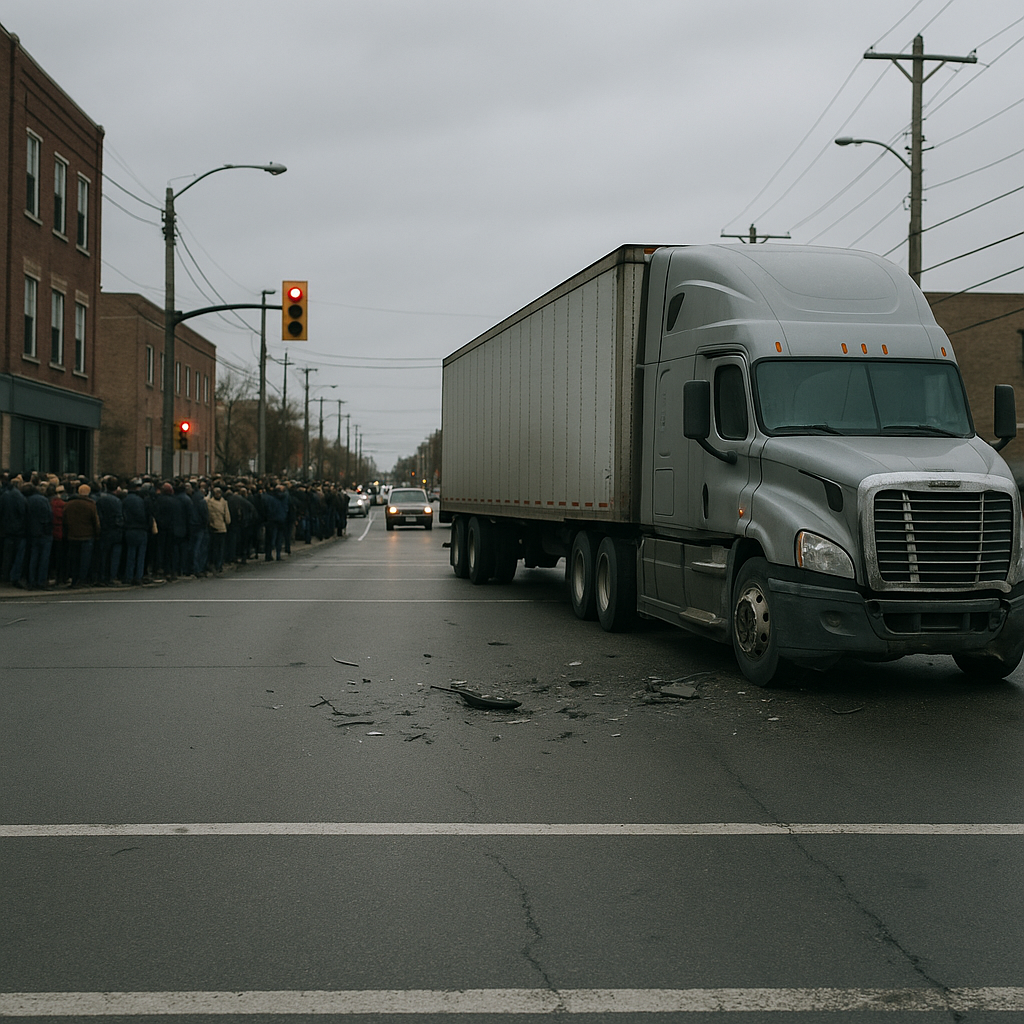
Sensitivity to Crowds After a Truck Accident
Overview of Shock and Trauma After Truck Accidents
A truck accident can be a deeply distressing event with a wide range of effects on those involved. While physical injuries are often a primary concern, the emotional and psychological impact can be just as significant, sometimes less visible, and often longer lasting. Experiencing a traumatic event such as a truck accident can disrupt a person’s sense of safety and security, leading to a series of changes in behavior and perception. For many, one notable result is an increased sensitivity to crowds—an experience referred to as “crowd sensitivity trauma” in some psychological contexts.
Crowd sensitivity following a truck accident is neither uncommon nor unreasonable. After such an overwhelming event, some individuals might find it challenging to be surrounded by groups of people, even in settings that once felt completely normal or safe. This response can be part of the broader impact of psychological trauma, which can manifest in various ways and may evolve with time.
Why the Body and Mind React This Way
After a traumatic event such as a truck accident, the human body and mind may remain in a heightened state of alertness even long after the immediate danger has passed. This is tied closely to a natural response called “hyperarousal,” part of the fight-or-flight mechanism designed to protect individuals in threatening situations.
During and after trauma, the brain’s alarm system—primarily managed by the amygdala—can become very sensitive. This heightened state may trigger anxiety or discomfort in crowded spaces, which are often unpredictable and can feel overwhelming. In the case of “crowd sensitivity trauma,” the mind may subconsciously link crowds to feelings of being trapped, powerless, or unable to escape if a threat arises.
Certain environmental cues, such as noise, unpredictability, or physical proximity in a crowd, can mirror aspects of the traumatic event, reminding the individual, at some level, of the overwhelming or out-of-control feelings experienced during the accident. The body’s stress response may become activated in these situations, making it more difficult to remain calm or comfortable.
Common Reactions People Experience
People experiencing crowd sensitivity after a traumatic event like a truck accident may notice a variety of emotional and physical responses. Some of the most frequently reported reactions include:
– Anxiety or panic in crowded environments: The presence of large groups can prompt feelings of nervousness, rapid heartbeat, breathlessness, or the urge to leave.
– Avoidance behavior: Individuals may go out of their way to avoid busy places such as shopping centers, public events, or even social gatherings with family and friends.
– Heightened startle response: Loud noises or sudden movements in crowds might trigger exaggerated startle reflexes due to the nervous system remaining on high alert.
– Difficulty concentrating or feeling detached: Overstimulation in busy settings might cause people to feel out of touch with their surroundings or dissociated from the present moment.
– Irritability or frustration: Crowded environments may lead to a sense of being overwhelmed, resulting in irritability or a short temper.
– Physical symptoms: Headaches, nausea, muscle tension, and fatigue are sometimes reported following time spent in crowded places.
Each person’s response is unique. While some experience strong reactions immediately after the incident, for others, these feelings can develop more gradually.
How These Reactions Can Change Over Time
The sensitivity to crowds after a truck accident does not always remain constant. Many individuals find that their responses evolve over the weeks, months, or even years following the event. For some, the initial reactions may gradually subside as they process their experiences and adapt to their new sense of safety. Changes in daily routines, the passage of time, or positive experiences in controlled environments may help diminish the intensity of their responses.
However, it is also possible for sensitivity to persist, especially if the original trauma was severe or if there are ongoing reminders of the accident. In some cases, reactions can intensify before they begin to fade, especially if individuals encounter particularly stressful reminders or triggers. For others, experiencing minor successes when facing crowds can slowly rebuild confidence and reduce anxiety. Factors such as personal coping mechanisms, support systems, and access to helpful resources can play important roles in this process.
The pathway of recovery—if one occurs—can therefore vary significantly. Some individuals learn to manage their reactions over time, while others may continue to experience various levels of discomfort in crowded settings.
Closing Reassurance Paragraph
It is natural for people involved in a truck accident to react to crowds with increased sensitivity, and these experiences are recognized as valid responses to trauma. While this aspect of crowd sensitivity trauma can present real challenges, it represents the body and mind’s understandable attempt to protect itself after overwhelming events. Responses to trauma, including changes in comfort levels in crowded spaces, are diverse and personal. Over time, with supportive environments and patience, individuals may notice shifts in their responses, though the pace and nature of change are highly individual. Facing these reactions calmly and respectfully allows space for adaptation and understanding, whatever course they may take.