
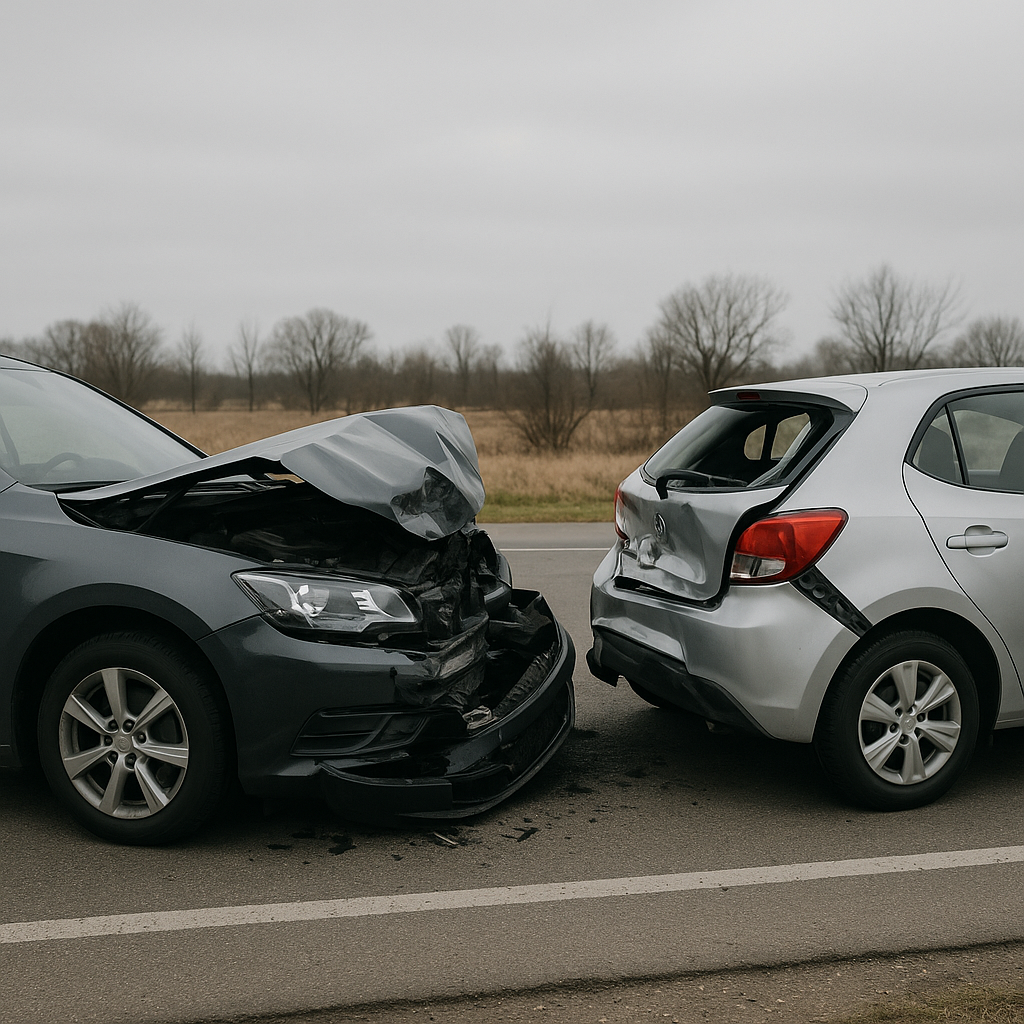
How Trauma Affects Decision Making After Crashes
Overview of Shock and Trauma After Truck Accidents
Collisions involving large vehicles, such as trucks, often bring about intense physical and emotional responses. While many people associate truck accidents with physical injuries, the effects can extend far beyond the immediate aftermath. Trauma resulting from such incidents can significantly impact how individuals think, feel, and make decisions in the minutes, days, or even months that follow.
Shock is a common initial response after a crash. It describes both a physical reaction—a sudden drop in blood flow or heightened alertness—and an emotional response, which might include disbelief, numbness, or overwhelming anxiety. Trauma, on the other hand, refers to the longer-lasting psychological impact that can persist even as physical injuries heal. This emotional and mental strain often affects cognitive functions, particularly those involved in making decisions both immediately and over the longer term.
Why the Body and Mind React This Way
In the event of a crash, the human body initiates an automatic protective response. This complex interplay between physical and cognitive systems has evolved over millennia to promote survival during emergencies. At the heart of this reaction is the “fight, flight, or freeze” response—a rapid release of stress hormones like adrenaline and cortisol, which prepare the body to deal with imminent danger.
These physiological changes are accompanied by alterations in brain functioning. The amygdala, a part of the brain responsible for processing threats and emotions, becomes highly active. Meanwhile, areas of the brain linked with rational thought, such as the prefrontal cortex, may become less dominant in the moment. This altered balance can hinder the ability to process information in a calm, logical way, directly influencing choices made immediately after a crash.
Common Reactions People Experience
Following a truck accident or similar traumatic event, individuals may experience a range of cognitive, emotional, and physical reactions, all of which can affect decision making:
– Disorientation and Confusion: It is common to feel dazed or unsure of your surroundings. This can lead to difficulty understanding what actions are needed or following instructions from others.
– Difficulty Concentrating: Traumatic stress can impair short-term memory and focus, making it harder to process new information or remember details.
– Numbness or Emotional Detachment: Some people feel emotionally “shut down” or removed from their feelings, which can make everyday choices seem overwhelming or unimportant.
– Impulsivity: Others may experience the opposite, acting quickly without stopping to consider consequences, possibly as a way to regain a sense of control or to escape distressing emotions and memories.
– Heightened Anxiety: Worry, fear, or panic can intrude on thought processes, making decisions feel urgent or paralyzing.
– Hypervigilance: An increased state of alertness may cause individuals to overanalyze situations or perceive threats where there are none, which can color decision making in the aftermath.
– Withdrawal: A desire to avoid reminders of the crash can lead people to disengage from activities or responsibilities, influencing practical choices about work, home, or relationships.
These reactions are not uniform, and not everyone will experience all of them. However, any of these shifts in mental state can have a direct effect on decisions made shortly after an accident, such as speaking with others, recalling events, or addressing immediate needs.
How These Reactions Can Change Over Time
The acute effects of trauma decision making crash incidents can evolve. In the hours or days after an accident, the intense shock phase usually diminishes, but other symptoms or patterns can emerge. For some, cognitive clarity slowly returns, and everyday functioning resumes. For others, lingering trauma continues to shape their decision-making processes.
Over time, some people experience:
– Delayed Reactions: Certain emotional or mental responses, such as irritability or anxiousness, might not arise until days or weeks later, sometimes triggered by reminders of the crash.
– Adaptive Coping Strategies: Gradually, individuals often develop new habits, routines, or methods for managing emotional distress, which can improve their decision making as their sense of safety returns.
– Long-Term Changes: In some cases, trauma may contribute to longer-lasting difficulties in focus, memory, or emotional regulation. Choices about driving, traveling, or taking part in daily activities may be impacted, even long after the event.
– Fluctuating Confidence: Confidence in one’s ability to make decisions may come and go, influenced by sleep quality, support systems, or ongoing reminders of the crash.
While most reactions become less intense with time, the process is unique to each individual. Some may recover their decision-making abilities readily, while others require an extended period of adjustment.
Closing Reassurance
Experiencing changes in decision making after a traumatic crash is a natural response. The body and mind are attempting to cope with intense stress under difficult circumstances, which can temporarily affect how choices are made and processed. Over time, and with understanding of these normal reactions, individuals often notice improvements. Each person’s experience is distinct, shaped by their unique circumstances and personal resilience. Recognizing these effects as part of the body’s natural adjustment process can help promote patience and foster a greater sense of self-understanding through the recovery journey.