
Avoiding Reminders of the Crash
Overview of Shock and Trauma After Truck Accidents
In the aftermath of a truck accident, experiencing shock and trauma is a common human response. Such events can disrupt a person’s sense of safety and control, often leaving emotional and psychological effects long after physical injuries have healed. Regardless of the details, the sudden and intense nature of a truck crash can have a profound impact on those involved.
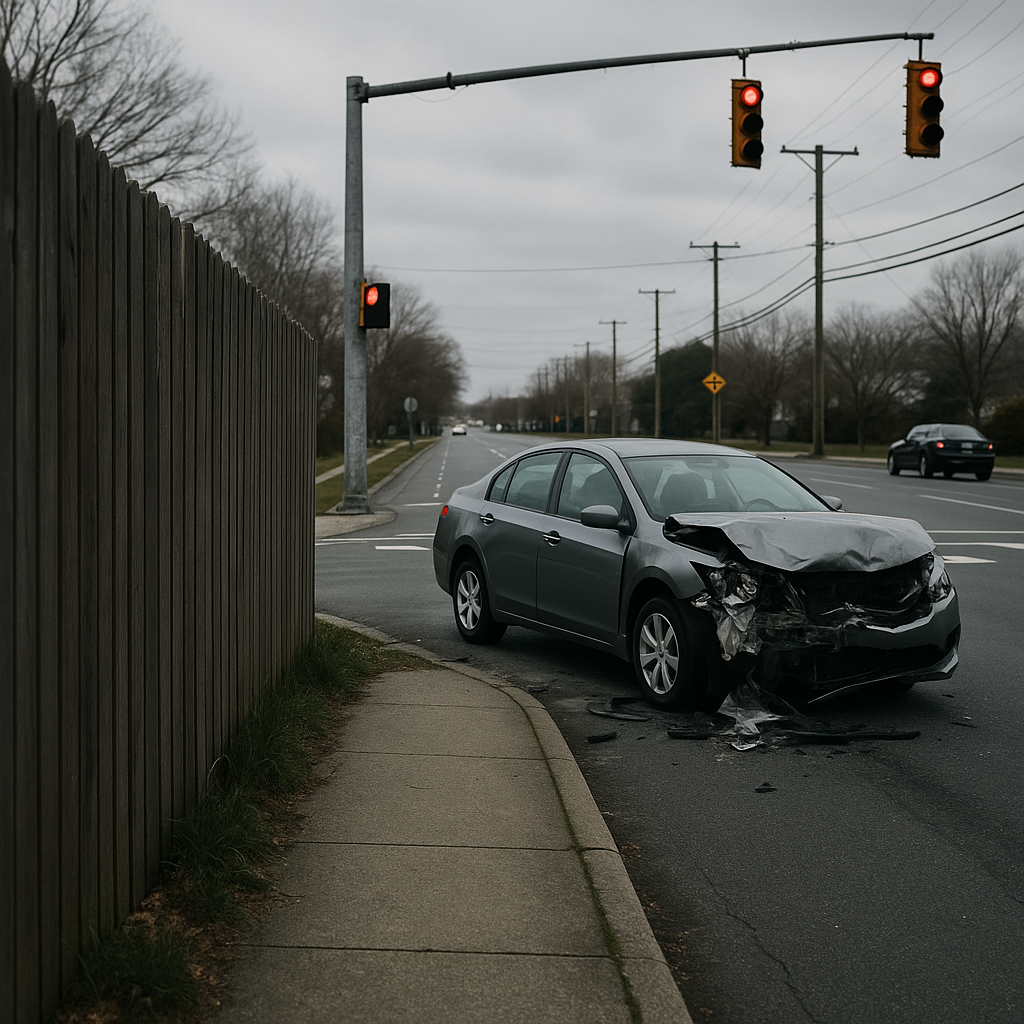
Moving forward, many individuals find themselves carefully avoiding reminders of the crash—whether consciously or unconsciously. These reminders, sometimes referred to as “triggers,” might include physical locations, sights or sounds, certain dates, or even similar vehicles. Recognizing the reasons for this avoidance and understanding its effects are important steps toward acknowledging what many accident survivors experience.
Why the Body and Mind React This Way
The human body and mind are finely tuned to respond to danger. When a traumatic event occurs—such as a collision with a large truck—a person’s natural stress response is activated, often described as “fight, flight, or freeze.” This process releases stress hormones like adrenaline and cortisol. While this reaction is protective in the immediate moment, it can linger well after the event, leading to heightened alertness around any reminder of the accident.
Avoiding reminders of the crash is part of a wider set of psychological responses linked to trauma. The mind tends to protect itself from overwhelming memories or distressing emotions. When someone encounters a trigger—such as driving past the crash site or hearing horns blaring—the body may react with anxiety, rapid heartbeat, or even physical discomfort. These responses are not a sign of weakness; they are natural outcomes of the brain’s efforts to guard against further distress.
Over time, the body and mind may become sensitized to any cues associated with the accident. Even neutral situations that merely resemble aspects of the crash, such as traveling on a similar road or seeing a vehicle of the same make and model, may prompt a surge of unease. Because of this, many people develop strategies, intentionally or not, to avoid circumstances that might cause these unpleasant reactions.
Common Reactions People Experience
While every person’s experience is unique, there are several common reactions people might notice after avoiding reminders of a truck crash:
– Avoidance of Certain Routes or Places: People may change their daily commute, avoid the accident location, or steer clear of roads with heavy truck traffic.
– Reduced Desire to Drive or Ride in Vehicles: Some may feel nervous or unwilling to be behind the wheel or even to ride as a passenger.
– Emotional Numbness: As a way to protect themselves from distress, individuals might feel less connected to their emotions or surroundings.
– Social Withdrawal: A tendency to withdraw from friends, family, or activities—especially those that involve travel or discussions about driving.
– Increased Startle Response: Feeling easily startled by loud sounds, horns, or sudden movements on the road.
– Physical Symptoms: These can include headaches, stomachaches, trouble sleeping, or general fatigue when reminded of the event.
It is important to note that these reactions are not uncommon and are largely outside of one’s control. They often represent the mind’s attempt to shield itself from further distress.
How These Reactions Can Change Over Time
Over weeks and months, the impact of avoiding reminders of a crash can shift in several ways. For some people, the intensity of the emotional response diminishes as the passage of time allows the mind and body to process the trauma. Everyday activities that once felt overwhelming, such as seeing a truck or passing the scene of the accident, may gradually become more manageable.
Others may find that avoidance becomes a routine part of life, influencing the places they go and the activities they feel comfortable pursuing. This adaptation can sometimes result in additional limitations, such as avoiding highways altogether or feeling uneasy in situations that never used to cause concern.
Occasionally, reminders of the crash might become more distressing during certain periods—such as anniversaries of the accident or after hearing news of a similar event. Changes in stress levels, life events, or support systems can also influence how strongly these reactions are felt.
What is most consistent is that these responses—whether they lessen or persist—are deeply individual. Some find that the same situations that once triggered strong responses eventually lose their emotional charge, while others notice shifts in the types or intensity of triggers. Acknowledging the fluid nature of trauma responses can be a valuable step toward understanding oneself after a collision.
Closing Reassurance Paragraph
The experience of avoiding reminders after a crash is a common and understandable consequence of going through such a sudden event. People often respond in their own way and on their own timeline, shaped by the body’s natural efforts to find safety and balance. While these reactions can be disruptive, they reflect the mind’s capacity to respond to potential danger, even after the immediate risk has passed. The process of coping with trauma is unique for each person, and responding with patience and self-understanding is a natural part of navigating life after a truck accident.