
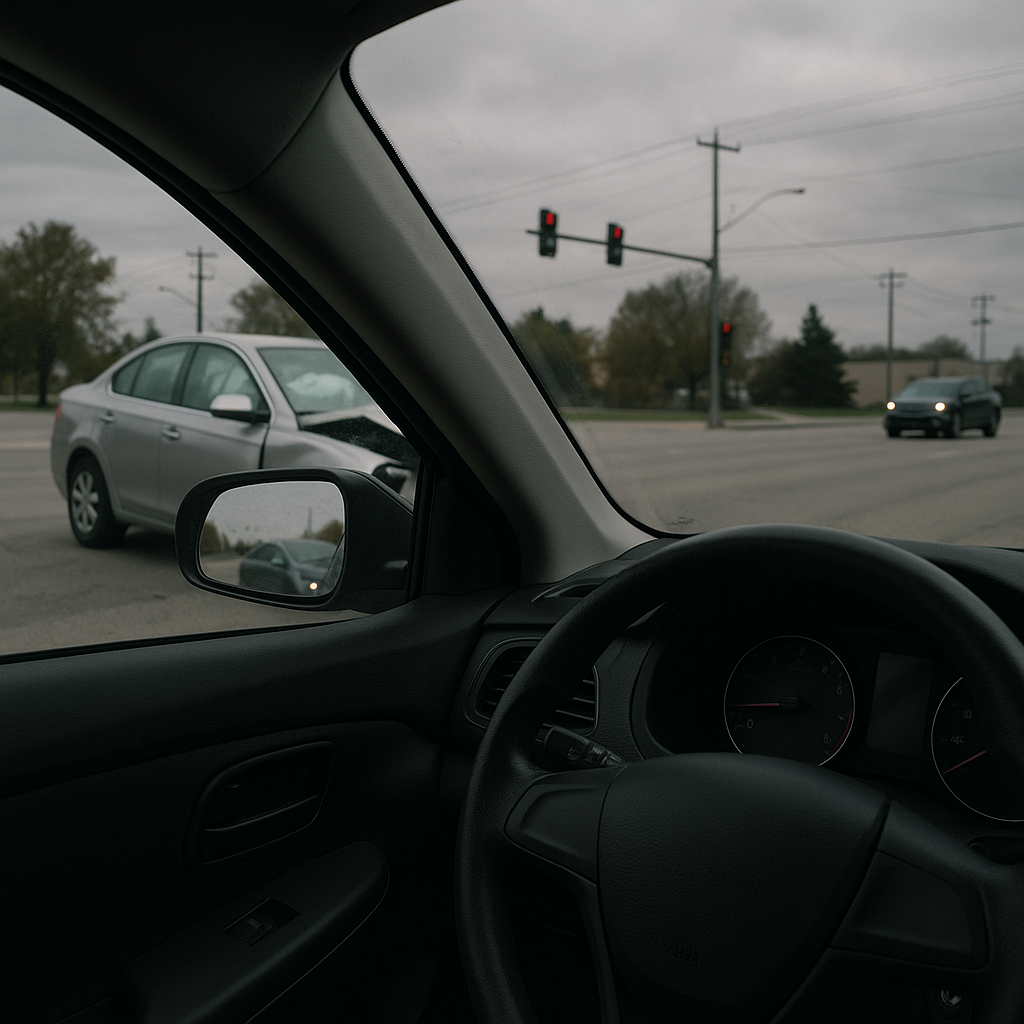
Why do I feel anxious about returning to driving?
Why this question is common after severe accidents
Many people find themselves wondering, “Why do I feel anxious about returning to driving?”—especially after experiencing a severe accident. This question is a frequent and natural part of the aftermath of traumatic road incidents. Serious collisions or traumatic near-misses often change how individuals perceive driving. What once felt routine and automatic can suddenly provoke worry, hesitation, or outright dread.
These feelings commonly stem from the sharp contrast between “before” and “after.” Before an accident, driving might have felt completely secure. After a severe event, however, the memory of danger becomes closely tied to the act of driving itself. It’s not uncommon for a person to revisit the accident in their mind, replaying what happened, or imagining what could happen again. Such mental replay can intensify the anxiety about returning to driving and make the idea of getting behind the wheel feel overwhelming.
For many, this shift in perception creates a strong sense of vulnerability. The unpredictable nature of roads and other drivers can seem much more apparent. It’s natural to wonder if it is safe to drive again, or to question one’s own skills and judgment as a driver. This apprehension is not a sign of weakness; rather, it reflects a deeply human response to risk and uncertainty after trauma.
Clear neutral explanation
Feeling anxious about returning to driving is a normal reaction following a distressing driving experience, such as a serious accident. When exposed to trauma, the brain forms strong connections between the memory of the event and certain cues or activities—driving, in this case. These associations can trigger anxiety responses even in the absence of actual danger.
The mind’s protective mechanisms work to keep individuals safe from harm. After a traumatic experience, these defenses may become heightened, causing increased alertness to any potential threats associated with driving. This might manifest as persistent worry, hyperawareness of traffic and surroundings, or physical symptoms such as a racing heart or sweaty palms when thinking about driving again.
Another aspect is the brain’s process of relearning safety. After a severe accident, prior feelings of safety on the road can be replaced with caution and questioning. For some, familiar environments or routines do not feel as they once did. The emotional impact might not be limited to driving itself; simply being in a car—regardless of who is at the wheel—can be enough to spark anxiety, making the world feel unpredictable or unsafe.
Family and friends may notice these responses but not fully understand their intensity or persistence. It’s important to recognize that anxiety related to returning to driving can fluctuate from day to day, or situation to situation. While it might seem confusing or frustrating, this is a common and well-documented response to experiences involving risk, injury, or loss of control.
Helpful emotional context
Anxiety about returning to driving often involves more than just rational fear. Emotional factors, like guilt, self-blame, or shame, can become entwined with anxiety. Individuals may replay the accident and question what they could have done differently, even in cases where the event was not their fault. This internal dialogue can add to feelings of unease.
Sense of identity can also be affected. For people who used to find joy or independence in driving, anxiety may feel like a loss of freedom or self-reliance. This emotional shift can be particularly challenging—especially if driving is necessary for daily life.
The reactions of loved ones, friends, or colleagues might also influence emotions. Well-meaning encouragement or disbelief about the anxiety can sometimes add pressure. Such responses may unintentionally make individuals feel isolated or misunderstood in their experiences. Even though these feelings are often temporary, they can be deeply felt and have a significant impact on daily moods and broader outlook.
Common misconceptions
A few common misconceptions surround the anxiety of returning to driving. One frequent belief is that anxiety will disappear on its own once driving resumes. While some people do find that anxiety lessens over time, this process can be gradual and does not follow a set timeline.
Another misconception is that feeling anxious means a person is not a capable or confident driver. In truth, anxiety is a natural response to trauma and does not reflect on a person’s skills or character. Many skilled drivers experience apprehension after a difficult event, regardless of their driving record or overall confidence.
Some may think anxiety should only last a short period, or that it is unusual to feel nervous weeks or months after an accident. In reality, there is no “normal” schedule for recovery. The persistence and intensity of anxiety varies among individuals, and length of time is not a measure of strength or weakness.
Finally, outside observers might assume that anxiety is exaggerated or that someone just needs to “get over it.” This view underestimates the deep, often invisible impact that traumatic experiences can have on how the mind and body respond to familiar activities like driving.
Closing paragraph
The feeling of anxiety about returning to driving is a multifaceted phenomenon, rooted in both the mind and the body’s natural responses to distressing experiences. It is shaped by personal perceptions, emotional context, and the unique aftermath of trauma. Understanding that these responses are common, natural, and not reflective of personal failure can be a source of reassurance. Recognizing the complexity of anxiety about returning to driving may help foster a gentler, more compassionate perspective toward oneself during the process of adapting after an accident.