
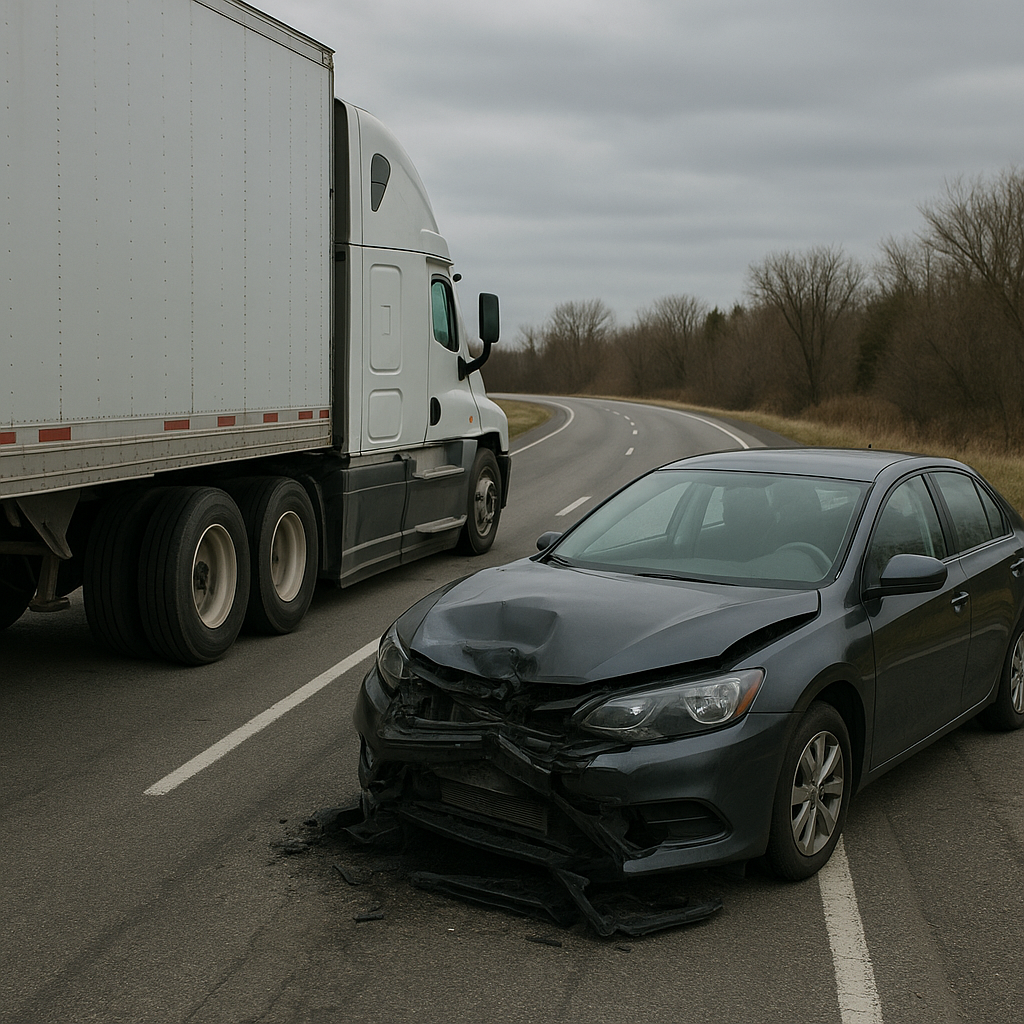
Avoidance Behavior After Semi Truck Accidents
Overview of Shock and Trauma After Truck Accidents
The aftermath of a semi truck accident is often marked by a period of intense emotional and psychological adjustment. Accidents involving large vehicles, such as semi trucks, can be particularly distressing due to their size and the potential for significant disruption. In the immediate hours and days that follow, individuals may experience shock—a natural response to a sudden and overwhelming event.
Shock is the body’s way of coping with a situation that is physically or emotionally threatening. It might manifest as numbness, disbelief, or a sense of detachment from what has happened. As these initial feelings begin to subside, a wide range of emotional and psychological reactions can surface. Trauma, in this context, refers to the psychological impact left by the accident, which can persist long after the physical wounds, if any, have healed. Among these effects, avoidance behavior is a common and often misunderstood response.
Why the Body and Mind React This Way
Avoidance behavior after a semi truck accident is part of a broader set of natural coping mechanisms. When confronted with a distressing event, the human mind searches for ways to protect itself from reminders of pain or fear. This protective strategy can be traced back to basic survival instincts; the body’s stress system is activated, leading to physical and psychological changes.
The brain plays a central role in storing memories tied to emotional experiences. After a traumatic encounter, such as an accident with a semi truck, certain sights, sounds, or situations may become associated with the experience. To avoid the resurgence of discomfort, anxiety, or fear, individuals might unconsciously steer clear of these triggers. This avoidance is not intentional or a sign of weakness; it is a protective measure, often out of conscious control, that aims to minimize distress.
Common Reactions People Experience
The spectrum of avoidance behavior after a semi truck accident can vary from person to person. Some of the more common reactions include:
1. Avoiding Reminders of the Accident:
Many individuals find themselves reluctant to drive near large trucks, take the same route where the incident happened, or even travel on highways. In some cases, simply being near heavy traffic or similar road conditions can provoke anxiety.
2. Emotional Numbing:
Some people try to distance themselves from emotions tied to the accident by repressing thoughts or memories, feeling disconnected from their previous routines, or losing interest in activities they once enjoyed.
3. Social Withdrawal:
There may be a tendency to withdraw from social interactions, especially if the conversation or environment frequently reminds the person of the event. This could mean declining invitations, spending more time alone, or reducing contact with friends and family.
4. Hypervigilance and Cautious Behavior:
Heightened alertness or being overly cautious when driving or riding in vehicles is another form of avoidance meant to prevent another accident from occurring. While some increase in caution is practical, excessive alertness can interfere with daily life.
5. Change in Routines:
Individuals might alter their schedules, routes, or methods of transportation to reduce exposure to situations associated with the accident. For example, choosing public transportation instead of driving or planning trips only at certain times of the day.
It is important to recognize that these responses are common and form part of the body’s natural adaptation process.
How These Reactions Can Change Over Time
In the immediate aftermath of a semi truck accident, avoidance behaviors often serve as a short-term means of coping with overwhelming feelings. For some, these behaviors gradually diminish with time. The mind can slowly process the experience, allowing the individual to reintegrate previously avoided activities or places into daily life.
However, for others, avoidance behavior may persist longer than expected. The intensity and duration often depend on various factors, such as the severity of the incident, previous experiences, and individual temperament. Sometimes, continued avoidance can interfere with work, social relationships, or daily independence.
There is variation in how avoidance behavior evolves. Some people may find that avoidance lessens on its own, particularly with supportive networks and a return to routine. Others may notice a worsening of avoidance, especially if memories of the truck accident remain vivid or if reminders are frequent. Over time, persistent avoidance may become more ingrained, making it increasingly difficult to engage in certain aspects of daily life.
The body and mind have a remarkable capacity for recovery, and for many, avoidance behaviors decline as a sense of safety is rebuilt. Each person’s path to adjustment is unique, and the process varies in pace and form.
Closing Reassurance Paragraph
Experiencing avoidance behavior after a semi truck accident is a common part of the emotional and psychological response to trauma. These reactions, while sometimes confusing or distressing, are rooted in the body’s effort to protect itself from further distress. Many people who go through such experiences notice changes in their feelings and behaviors over time, and adjustment often happens gradually. It is a personal process, and variations in how individuals respond or how long these feelings last are entirely normal.