
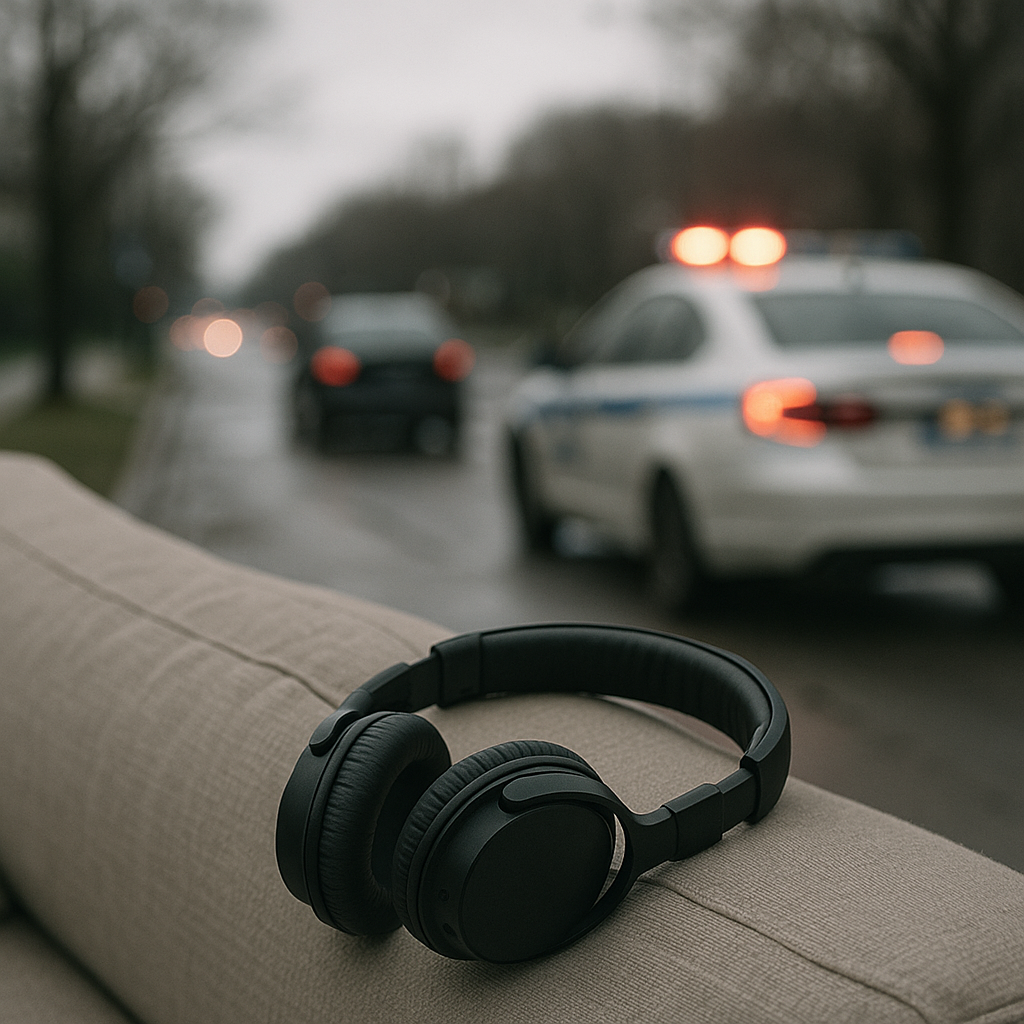
Coping with Loud Noises After Trauma
Overview of Daily Coping Challenges After Severe Truck Accidents
Experiencing a severe truck accident can profoundly impact an individual’s sense of safety and well-being, both psychologically and physically. Beyond visible injuries, such events can leave lasting emotional imprints that influence everyday experiences. One of the most common and often misunderstood repercussions is heightened sensitivity to auditory stimuli—especially loud noises.
For survivors of truck accidents, seemingly ordinary sounds can activate intense discomfort, anxiety, or distress. This phenomenon, closely associated with post-traumatic stress responses, transforms daily routines into ongoing challenges. Understanding the underlying effects of coping loud noises trauma, and recognizing the range of experiences survivors may face, provides a more compassionate perspective on the journey to recovery.
Common Daily Difficulties
After a traumatic truck accident, individuals frequently encounter a spectrum of challenges related to loud sounds. These issues can arise unpredictably and sometimes escalate situations that others might perceive as routine. The following are common difficulties experienced in day-to-day life:
– Startle Responses: Sudden loud noises, such as car horns, sirens, fireworks, or construction work, may trigger an intense startle reaction. This reflex can cause physical discomfort, racing heart, or intrusive memories.
– Avoidance Behaviors: Many individuals seek to avoid environments where unexpected noises are likely, such as busy streets, crowded stores, or public events, thereby limiting social interaction or daily activities.
– Sleep Disturbances: Noises at night, such as thunder or traffic, can disrupt sleep patterns, contributing to fatigue and irritability.
– Emotional Distress: Heightened sensitivity to noise may result in increased feelings of anxiety, irritability, or fear, especially when recalling specifics of the original trauma.
– Difficulties with Concentration: Background noise in work, school, or public places can interfere with the ability to focus, often leading to frustration or reduced productivity.
– Strained Relationships: Reactions to loud noises might not be immediately understood by friends or family, potentially complicating social and familial interactions.
– Physical Symptoms: Exposure to loud or unexpected sounds occasionally results in headaches, muscle tension, or gastrointestinal discomfort.
These challenges illustrate the pervasive impact that coping with loud noises after trauma can have, potentially altering personal, professional, and social domains of life.
Practical Coping Systems People Often Use
In response to these challenges, many individuals gradually incorporate systems that foster a sense of security and predictability in their daily environments. While each person’s approach to coping loud noises trauma is unique, several practical systems are frequently observed:
– Environmental Adjustments: Some individuals modify their living or working spaces to reduce unexpected auditory disruptions. This can include the use of noise-canceling headphones, white noise machines, or soft background music to mask jarring external sounds.
– Routine Planning: For some, keeping a predictable daily schedule—such as shopping when stores are less crowded or choosing transportation options with minimal noise—helps limit exposure to potentially triggering environments.
– Grounding Techniques: Employing sensory or mindfulness-based routines, some people focus on present sensations or use personal objects that provide comfort when confronted with distressing noise.
– Communicative Support: Explaining sensitivities to trusted family members, co-workers, or friends can foster a supportive network and increase mutual understanding.
– Temporary Withdrawal: Occasionally, taking brief retreats to quieter spaces—such as stepping outside during a loud event or spending breaks in designated rest areas—offers a chance to reset and reduce anxiety.
– Creative Outlets: Activities like art, writing, or music are often used as outlets for expression, providing both distraction and a means of processing overwhelming emotions after incidents of loud noise.
These coping systems, while not solutions in themselves, reflect an ongoing process of adaptation and self-awareness that many trauma survivors develop to reclaim control over daily experiences.
How Coping Improves Gradually Over Time
Changes in the ability to manage reactions to loud noises generally evolve in small, incremental ways over time. The process may vary significantly among individuals, influenced by personal resilience, support networks, and exposure to supportive environments.
Initially, sensitivity to noise can be most acute, with even minor sounds prompting intense distress. Over successive weeks or months, however, situations that once felt intolerable often become more manageable. This gradual improvement is frequently linked to a combination of physical and psychological adaptation. For instance, repeated but controlled exposure to non-harmful noises may sometimes lead to reduced sensitivity, while learning new ways to interpret bodily and emotional responses allows for more flexible, less fear-driven reactions.
Patterns of improvement may include longer intervals between distressing episodes, quicker recovery times after exposure, and a broader comfort zone regarding noise levels and social participation. Some individuals also develop greater self-advocacy skills, more confidence in communicating their needs, and a stronger sense of mastery over environments previously perceived as threatening.
While setbacks or periods of increased sensitivity may occur—particularly around anniversaries or in new high-stress situations—the general trend points towards greater autonomy and reduced interference from loud noises in daily life. This trajectory highlights the dynamic, evolving nature of living with trauma-related sensitivities, rather than a fixed or unchangeable state.
Neutral Closing Paragraph
Living with heightened sensitivity to loud noises after a severe truck accident encompasses a wide range of challenges and adaptations. The journey of coping loud noises trauma is marked by both obstacles and subtle improvements, shaped by individual circumstances and evolving strategies. Recognizing the complexity of these experiences helps illuminate the resilience of those affected and underscores the importance of understanding and support throughout recovery.