
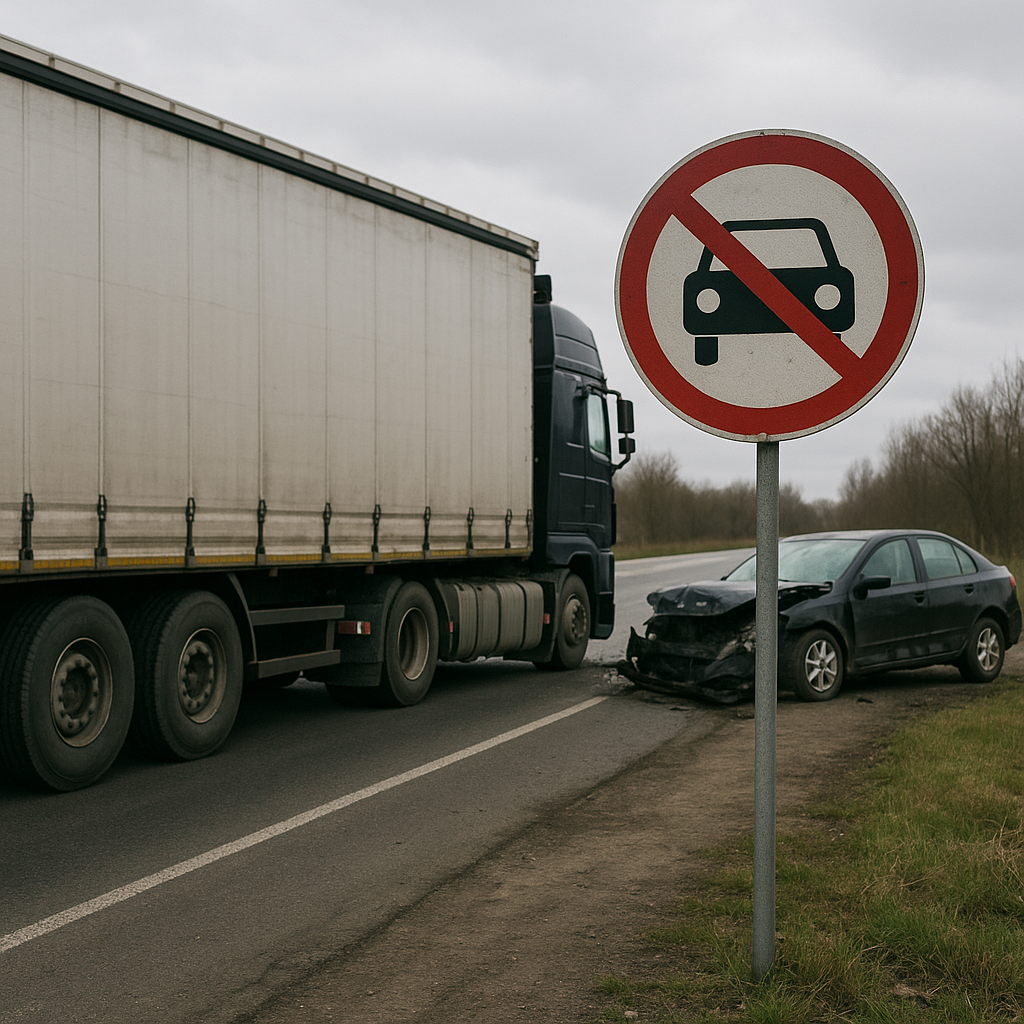
Avoiding Driving After a Truck Accident
Overview of Shock and Trauma After Truck Accidents
In the moments following a truck accident, it is not uncommon for drivers or passengers to feel overwhelmed. The sheer size and momentum of trucks can make these incidents particularly jarring, both physically and emotionally. For many people, the aftermath is marked by a mix of shock, confusion, and a profound sense of vulnerability.
Even if visible injuries are absent, the impact of such accidents can linger beneath the surface. Reactions like shakiness, racing thoughts, and emotional numbness may surface in the hours and days that follow. As a result, the idea of getting behind the wheel again—especially soon after the incident—may seem daunting or even unthinkable. Avoiding driving after a truck accident is a common and understandable response to such a stressful event.
Why the Body and Mind React This Way
Automobile accidents invoke powerful psychological and physiological responses. When something unexpected and frightening occurs, the human body is hardwired to react through mechanisms often called the “fight, flight, or freeze” response. This reaction, governed by the nervous system, is designed to protect individuals from harm but can also produce uncomfortable sensations and lasting apprehensions.
After a truck accident, experiences may range from elevated heart rates to disorientation or intrusive thoughts about the crash. These are natural, normal ways that the mind and body try to make sense of a distressing occurrence. The drive to avoid situations similar to the accident—in this case, driving or being near other large trucks—can be part of an instinctive effort to regain a sense of control and safety.
Common Reactions People Experience
It is helpful to recognize the spectrum of responses that can follow a truck accident. Some of the more common reactions include:
– Anxiety about driving: A persistent worry or fear associated with being on the road, especially in the vicinity of large vehicles.
– Physical symptoms: These may include tension, fatigue, rapid heartbeat, upset stomach, or trouble sleeping.
– Emotional responses: Sadness, irritability, or mood swings are not unusual following a traumatic incident.
– Avoidance behaviors: Choosing not to drive or limiting travel to essential trips can be a manifestation of discomfort.
– Flashbacks or intrusive memories: Some may find themselves replaying the event in their minds, sometimes triggered by sounds or sights related to the accident.
– Hypervigilance: Heightened awareness of surroundings, checking mirrors more often than usual, or feeling overly cautious on the road.
Each person’s experience is unique, and some may encounter only one or two of these symptoms, while others notice several.
How These Reactions Can Change Over Time
Responses to a truck accident are not set in stone. For many, the most intense feelings and physical symptoms gradually lessen in the days and weeks that follow. The human mind is remarkably adaptable; as time passes, memories of the event may become less vivid or distressing.
For some individuals, avoidance of driving may persist for a short period as part of regaining a sense of security. Over time—often with support from friends or family or through routine return to familiar activities—confidence can slowly rebuild. However, it is also possible for certain reactions to linger. For a subset of people, ongoing anxiety or persistent avoidance may prompt further consideration or discussion with trusted individuals about next steps.
It’s important to remember that progression is not always linear. Feeling ready to drive one day and uneasy the next is a recognized pattern for many recovering from the stress of a truck accident. The timeline for resuming regular activities, including driving, varies for each person.
Closing Reassurance Paragraph
Experiencing discomfort, hesitation, or avoidance of driving after a truck accident is a normal and recognized response. The body and mind often need time to adjust after such a jarring event. These reactions seldom indicate any lasting problem, and they often become less prominent as days and weeks pass. Rest assured, each individual’s journey through recovery unfolds at its own pace, shaped by personal comfort and readiness. Whatever your experience, it is valid and deserving of respect, as you navigate the road ahead after a truck accident.