
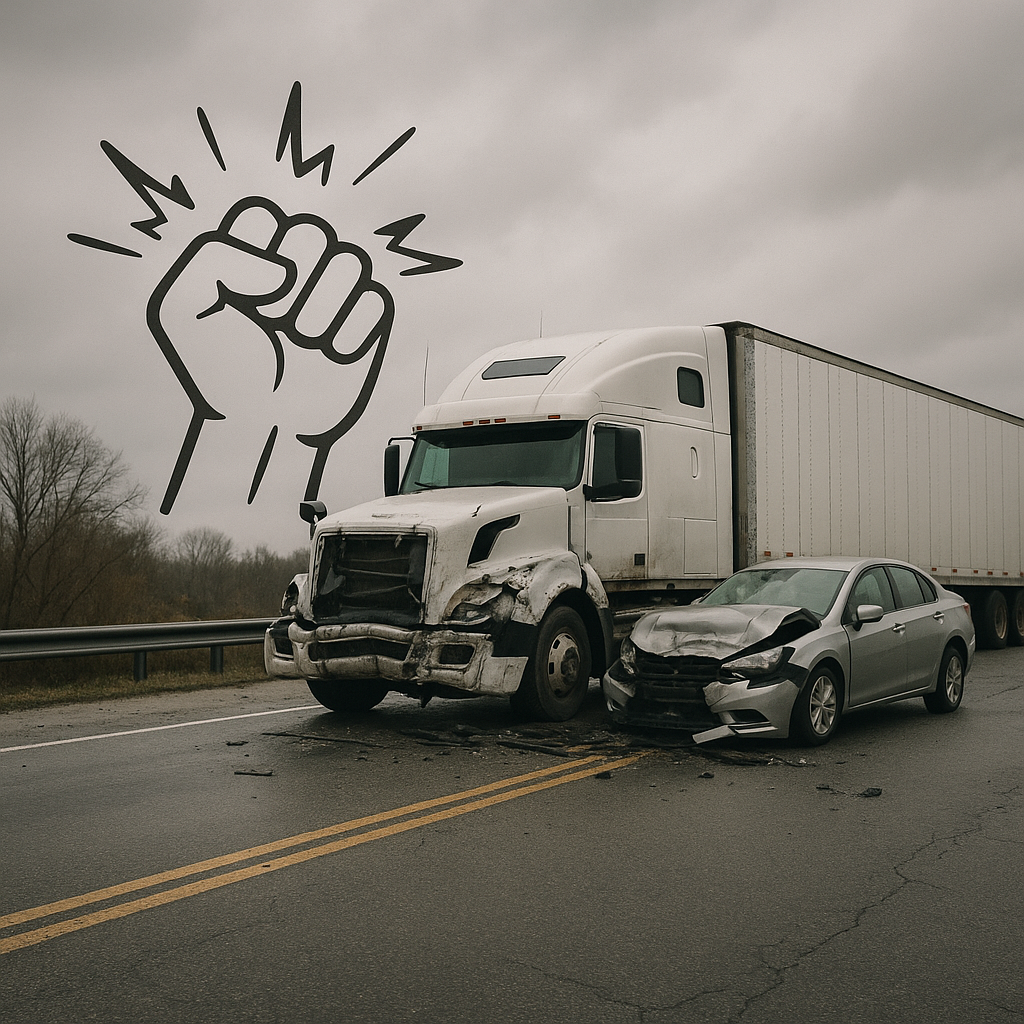
Anger at the System After Truck Accidents
Overview of Shock and Trauma After Truck Accidents
Truck accidents are sudden events that can disrupt the lives of those involved in profound ways. The immediate aftermath often brings a wave of shock and trauma, not only from the physical aspects of the situation but also from the emotional and psychological impact. For many, the experience extends beyond personal pain, sparking feelings of anger directed at larger systems—insurance companies, regulatory bodies, or perceived inadequacies in support structures. This “anger at system truck accident” response is common and can be traced to the complex way individuals process distressing events.
Why the Body and Mind React This Way
In the face of an incident as significant as a truck accident, the human body’s natural stress responses are activated. The mind and body work together to help individuals navigate danger and comprehend events that feel overwhelming. This is often referred to as the “fight or flight” response, which primes the body to take action or escape. Alongside this biological reaction, the brain also tries to make sense of what happened, assign meaning, and find explanations.
When the perceived cause of distress appears impersonal or systemic—such as traffic laws, company policies, or insurance procedures—it is common for anger to become directed not just at individuals, but at entire organizations or systems. The sense of having to confront complicated procedures, bureaucracy, or perceived unfairness can amplify emotional distress, fueling anger and frustration.
Common Reactions People Experience
After a traumatic event like a truck accident, people often find themselves experiencing a wide range of emotional and psychological reactions. These can include:
– Shock and disbelief: Individuals might feel numb or refuse to believe what has happened.
– Fear and anxiety: Worries about physical safety, financial consequences, and future uncertainties can become prominent.
– Confusion and helplessness: The complex nature of truck accidents and subsequent procedures may leave people feeling powerless.
– Anger at the system: This form of anger may focus on organizations perceived as unresponsive, insurance processes that feel slow or unfair, or safety regulations thought to be inadequate.
The intensity of these emotional reactions may ebb and flow, and sometimes, anger at the system becomes a focal point of frustration. This can stem from repeated interactions with paperwork, communication barriers, or what feel like unsympathetic policies. As individuals try to regain a sense of control or justice, anger may temporarily feel justified or necessary.
How These Reactions Can Change Over Time
Emotional responses to a truck accident are not fixed; they often shift as time passes and circumstances change. Initially, shock or disbelief may predominate, followed by acute frustration as individuals engage with insurance claims or attempt to understand accident reports. Over time, for some, anger at the system can diminish as they adapt, gather information, or receive support.
In certain cases, however, distress may persist or even grow. Ongoing struggles with complex processes or unsatisfactory outcomes can cause anger to resurface periodically. Some individuals find themselves moving between different emotional states—at times feeling resigned, at other times motivated to seek change or accountability.
While some people resolve these feelings with time and the return of routine, others may continue to experience frustration and skepticism toward institutions involved in the aftermath of the accident. Each person’s emotional journey is unique and may be influenced by their previous experiences, the responses from professionals, and the level of social support they receive.
Closing Reassurance Paragraph
Navigating the aftermath of a truck accident, including the anger that may be directed at systemic processes or institutions, is a complex and highly individual experience. Reactions such as frustration, shock, or even skepticism toward the system are common and may change over time as circumstances evolve. It is important to recognize that these responses are natural parts of processing and adapting to unexpected, challenging events. Each person’s experience is valid, and a variety of emotions can arise as they make sense of what has happened and the path ahead.