
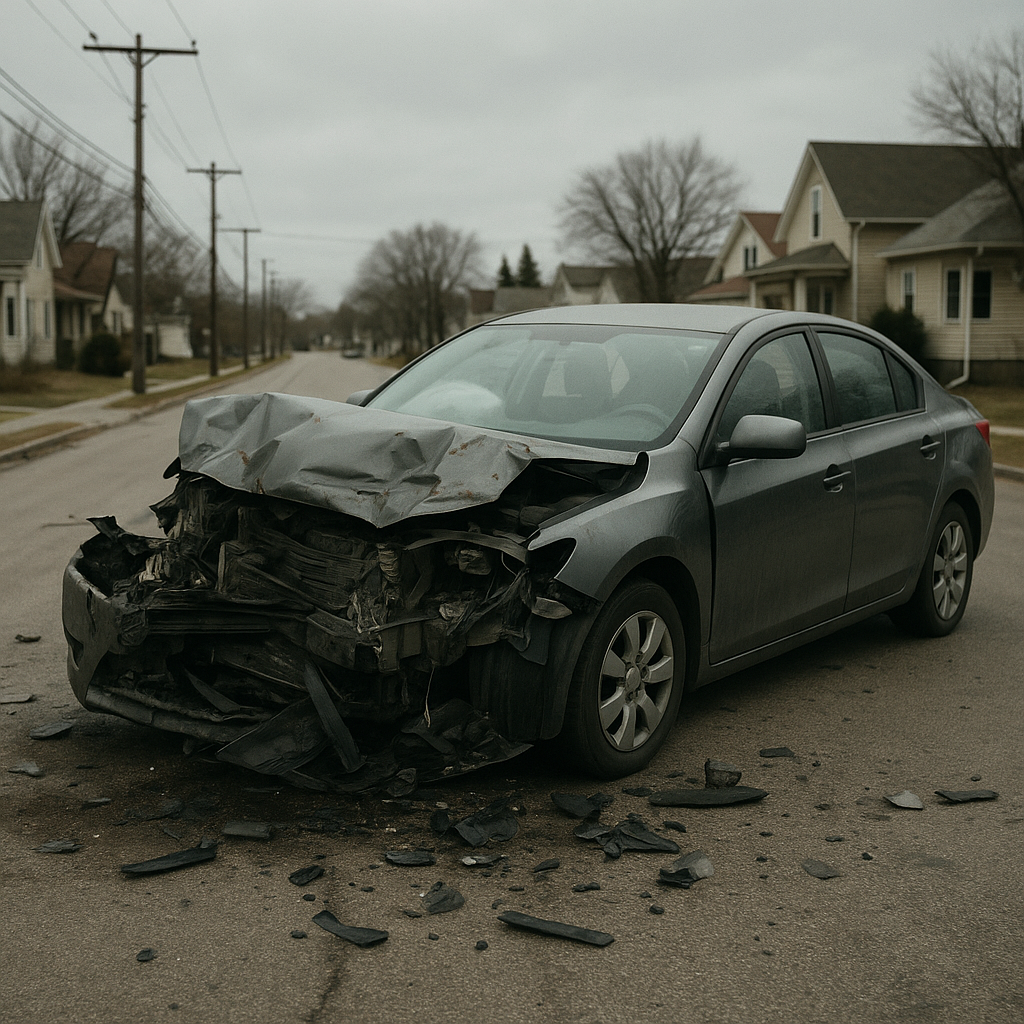
Why People Feel Numb and Exhausted at the Same Time
Serious events, like truck accidents, often bring confusing emotional and physical responses. Many people find themselves feeling both numb and exhausted at the same time. This situation can be unsettling, and it is a common part of experiencing trauma. Understanding why these feelings occur is an important step toward regaining a sense of stability.
Overview of Shock and Trauma After Truck Accidents
Truck accidents often happen quickly and without warning, leaving individuals with little time to prepare for what follows. The immediate aftermath can be marked by shock—a biological response to a sudden, overwhelming event. Shock is experienced not only in a physical sense but emotionally as well. Trauma is a broader term that refers to the lasting emotional response following a frightening or distressing event.
For many people, the combination of shock and trauma sets off a wide array of feelings that may persist for days, weeks, or sometimes longer. Among the most common reactions are numbness—a sense of emotional disconnection or inability to feel—and exhaustion, which includes both physical tiredness and mental fatigue.
Why the Body and Mind React This Way
When a person experiences an overwhelming event such as a truck accident, their body and mind automatically attempt to cope and adapt. Understanding some of the mechanisms involved can help explain the experience of feeling “numb and exhausted.”
The body’s stress response, often referred to as the “fight, flight, or freeze” reaction, is governed by the autonomic nervous system. This system prepares the body to react to danger through the release of stress hormones like adrenaline and cortisol. The heart rate elevates, senses become sharpened, and energy is rapidly mobilized.
However, not everyone responds with immediate hyperactivity. Many people experience “freeze” responses or a state of emotional shutdown. This can present as numbness, which is the mind’s way of protecting itself from overwhelming feelings that would be too difficult to process all at once.
Meanwhile, the exhaustion sets in as the body’s resources are exhausted by extended stress. Even when still or resting, the mind’s attempts to cope with complicated emotions can drain energy reserves. The internal efforts to process what has happened, memories of the event, and the uncertainty about what might come next all contribute to mental and physical fatigue.
Common Reactions People Experience
Emotional numbness and exhaustion are just two among many reactions that can arise after a traumatic event like a truck accident. Other commonly reported experiences include:
– Detachment: Feeling separate from oneself or surroundings, almost as if watching life from a distance.
– Confusion: Having trouble thinking clearly, remembering details, or making decisions.
– Irritability: Small annoyances can seem overwhelming or provoke more intense reactions than usual.
– Anxiety: Worrying more than normal or experiencing physical signs of stress, such as a racing heart.
– Sleep disturbances: Difficulty falling or staying asleep, vivid dreams, or nightmares.
– Physical symptoms: Headaches, muscle tension, or stomach upset without a clear medical cause.
These responses are not signs of personal weakness or a lack of resilience. Instead, they are common human reactions to overwhelming experiences. The body and mind are working hard to keep functioning at a basic level, which leads to spaciness, fatigue, or emotional flatness.
How These Reactions Can Change Over Time
In most cases, emotional numbness and exhaustion begin to shift over time, though the pace and pattern are unique to each individual. Initially, people may feel little or nothing—almost as if the event never happened to them. This can slowly give way to periods of sadness, anger, fear, or even relief.
Exhaustion may persist, especially if sleep is disrupted or if worries about daily responsibilities and the future continue. Gradually, some people regain energy and emotional sensitivity as they process their experiences, talk with others, or find routines that feel stabilizing.
Even weeks or months later, reminders of the event (such as sounds, sights, or anniversaries) can temporarily bring back feelings of numbness or tiredness. This is part of the body and mind’s ongoing process of adaptation. With time, most people notice that these reactions happen less frequently and become less intense.
Closing Reassurance Paragraph
Feeling numb and exhausted following a traumatic event, such as a truck accident, is an expected response that reflects the body and mind’s natural coping systems at work. These sensations, while confusing or distressing, do not indicate anything abnormal or wrong about the people experiencing them. Over time, many find that these feelings gradually lessen as they adjust to what has happened. Each person’s journey through trauma is individual, and it is natural for reactions to vary in both intensity and duration.