
Why do I feel like I’m always waiting for bad news?
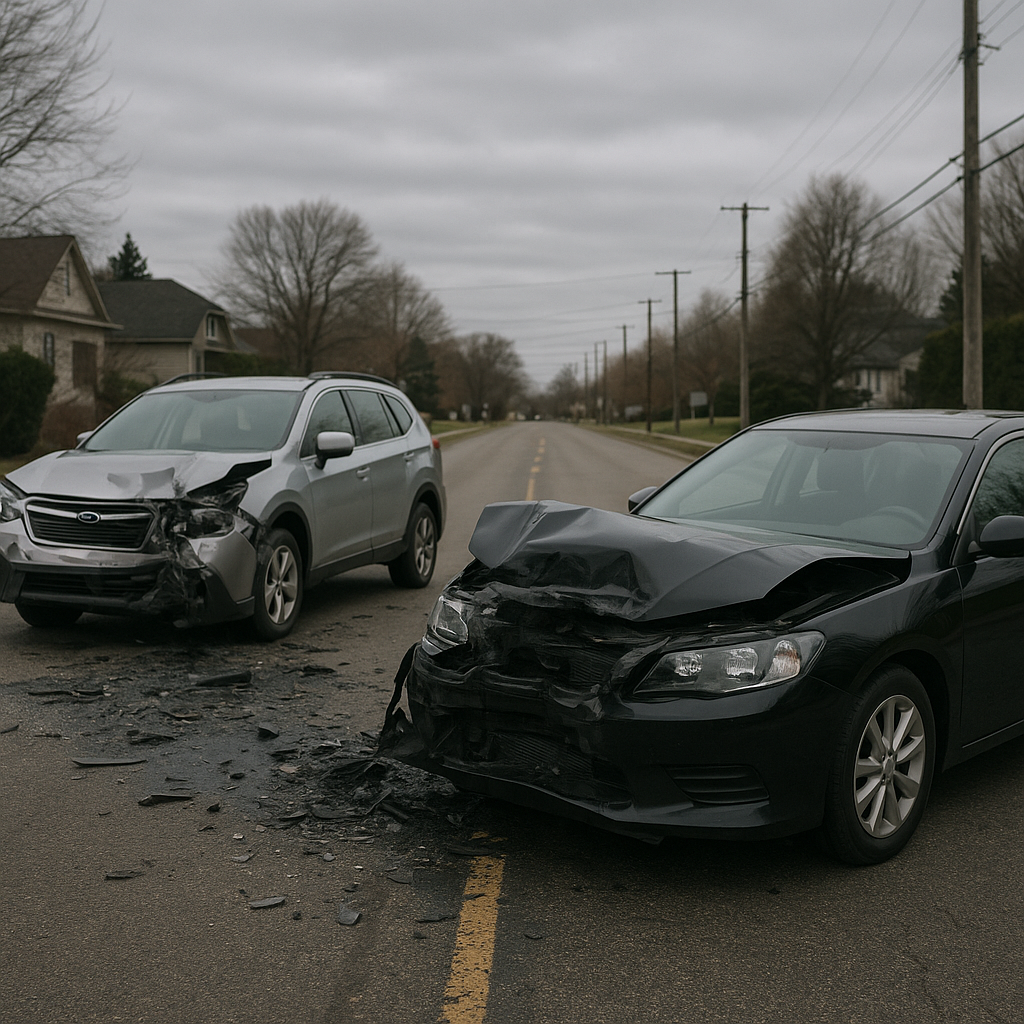
Experiencing a severe accident can leave a mark that’s not just physical, but psychological as well. For many people, one lasting impact is a constant sense of anticipation—specifically, the persistent feeling that bad news is just around the corner. This state of mind can feel unsettling, chronic, and difficult to explain to others, especially when outwardly, life has resumed some sense of normalcy. Why does this sense of waiting for bad news linger, particularly after a crash or another traumatic event?
Why this question is common after severe accidents
After a serious incident like a car crash, the world can suddenly seem much less predictable and safe than before. Many people find themselves in a prolonged state of alertness, constantly attuned to the possibility that something else might go wrong. The question, “Why do I feel like I’m always waiting for bad news?” is a reflection of this lingering apprehension, and it’s a common experience among individuals who have been through traumatic events.
This feeling often crops up when daily routines are interrupted by the unpredictable. After a crash, there are usually numerous checks, calls, and follow-up appointments—insurance, medical evaluations, and possibly legal matters. Each message or phone call can feel like a potential source of more bad news. Over time, this anticipation can feed a cycle of anxiety as the mind adjusts to stay prepared for additional shocks or setbacks.
Clear neutral explanation
The sense of “waiting for bad news after crash” appears to be rooted in how the mind processes unexpected trauma. The brain, designed to protect against future danger, becomes finely tuned to the possibility of negative outcomes after experiencing a severe accident. This psychological response is an extension of the human capacity for vigilance—a way of scanning the environment for threats to minimize further harm.
Physiologically, trauma can send the body into a state of hyperarousal. The nervous system, once activated by the high-stress moment of the crash, may remain on high alert long after the event is over. This prolonged state is commonly associated with hypervigilance: a heightened sense of watchfulness in which the person is sensitive to anything that could signal danger or disappointment.
In addition, traumatic experiences can alter a person’s expectation of future events. Where the ordinary once felt safe, it may now feel uncertain, as if bad news is not just possible, but likely or inevitable. Everyday events—a ringing phone, an unexpected email—can become cues for the brain to brace for the worst. This is not a deliberate or rational choice; rather, it’s a product of the brain’s attempt to navigate a world it now perceives as more risky.
Helpful emotional context
Emotionally, waiting for bad news after a crash can carry many layers. There can be a mix of exhaustion, frustration, and resignation. Some people find themselves caught between wanting reassurance and struggling with the internalized fear that “something is bound to go wrong.”
This emotional landscape is shaped by very real experiences of disruption. After all, a crash often brings multiple waves of consequence—not just in health or insurance, but in the loss of control and predictability. The body and mind naturally respond to these aftershocks by staying guarded.
Feelings of vulnerability are amplified. Trust in “how things work” can be shaken. While these reactions can ebb and flow, it is common for them to persist for weeks or even months after the accident, especially if reminders of the crash—like physical injuries or ongoing paperwork—remain present in daily life.
Common misconceptions
A frequent misconception is that feeling this way means someone is simply pessimistic, overly anxious, or unable to “move on.” In reality, the feeling of waiting for bad news is less about an individual’s baseline personality and more about how trauma rewires stress responses.
Another misunderstanding is the assumption that these feelings are a sign of weakness or lack of resilience. However, the constant anticipation of bad news is not a character flaw—it’s an understandable reaction to an unexpected event that disrupted one’s sense of safety.
Some also believe that if enough time has passed, these feelings should have disappeared. But the mind and body work on their own timelines. The expectation that trauma “expires” after a set interval is a myth; healing and adjustment can be ongoing in subtle ways.
Closing paragraph
The sense of always waiting for bad news after a crash is a common, often unspoken experience for many people. It reflects the mind’s diligent effort to protect against more pain, even as daily routines return. Understanding that this vigilance is a natural response, and not a personal failing, can provide validation and context. Over time, with further distance from the original event, this sense of alertness may gradually shift. For now, it simply stands as evidence of the ongoing journey to reclaim a sense of safety and predictability in the aftermath of trauma.