
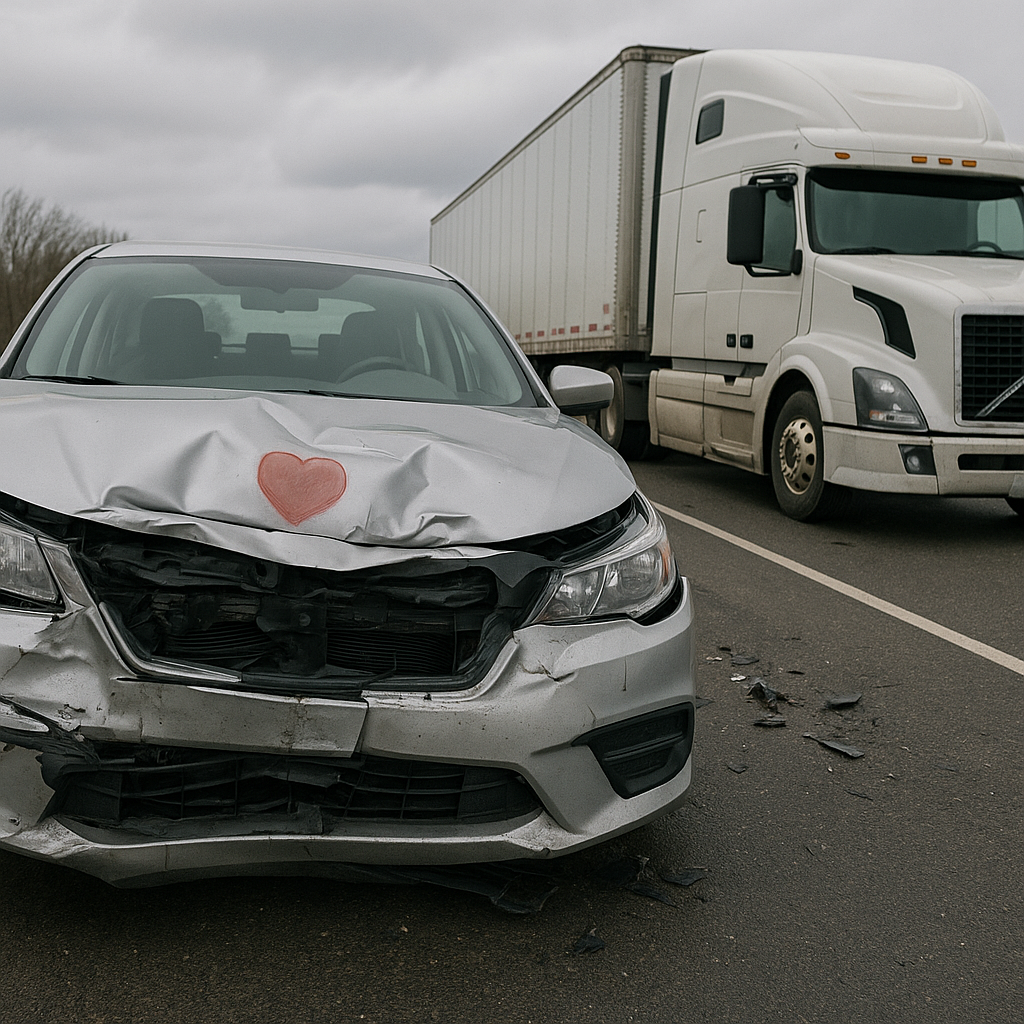
Chest Tightness After a Semi Truck Accident
Experiencing chest tightness after a semi truck accident can be a startling and sometimes distressing symptom. While each person’s experience is unique, it’s common for physical and emotional reactions to arise after a significant event such as a collision with a large vehicle. Understanding the possible reasons behind these symptoms, as well as the typical ways the body and mind respond to serious accidents, can help individuals make sense of what they may be feeling in the days and weeks following an incident.
—
Overview of Shock and Trauma After Truck Accidents
Accidents involving semi trucks tend to be sudden and intense. The sheer size and momentum of these vehicles mean that even minor collisions can be jarring. In the immediate aftermath, people often experience what is referred to as “shock.” Shock, in this context, is not just an emotional state, but a complex physical and psychological response to a highly stressful event.
Trauma, in both its physical and psychological forms, is common after a semi truck accident. Physical trauma can range from obvious injuries needing medical attention to more subtle symptoms, such as muscle tightness or aches. Psychological trauma, on the other hand, may manifest as anxiety, fear, or even confusion during and after the event.
Chest tightness following a semi truck accident may have multiple contributing factors. While obvious concerns like physical injuries need to be addressed by healthcare professionals, it’s also important to recognize that stress, anxiety, and the body’s natural coping mechanisms play a significant role in how symptoms emerge.
—
Why the Body and Mind React This Way
When faced with a stressful event such as a semi truck accident, the body’s “fight-or-flight” response is often triggered. This is an automatic physiological reaction to perceived danger, which prepares the body to either defend itself or escape. This response is governed by the release of adrenaline and other stress hormones.
Chest tightness after a semi truck accident can be a part of this natural response. When the body is under acute stress, several processes take place:
– Increased heart rate and blood pressure: The body pumps more blood and oxygen to vital organs and muscles.
– Rapid or shallow breathing: Breathing may become faster or shallower, leading to feelings of tightness in the chest.
– Muscle tension: Muscles, including those in the chest and shoulders, tighten as the body prepares for sudden activity.
Psychological responses also play a role. The mind may replay the event or worry about possible consequences, contributing to ongoing anxiety or unease. This stress can sometimes be felt physically, with chest discomfort being a common manifestation.
Common Reactions People Experience
Most people who have experienced a semi truck accident, or any sudden traumatic event, report a range of reactions—both immediately and in the following days. Some of the most frequent include:
– Physical Sensations: Beyond chest tightness, individuals might notice headaches, muscle soreness, rapid heartbeat, or trembling.
– Emotional Responses: Feelings of fear, sadness, irritability, or numbness are quite common.
– Cognitive Symptoms: Difficulty concentrating, confusion, or trouble remembering details of the event may occur.
– Sleep Disturbances: Trouble falling asleep, nightmares, or waking frequently throughout the night are also standard experiences.
– Behavioral Changes: Some may find they withdraw from social contact, feel uneasy around traffic, or avoid certain activities.
Each of these reactions is a normal part of the body and mind processing a distressing event, and most people experience a combination of these symptoms at some point after a semi truck accident.
How These Reactions Can Change Over Time
The intensity and duration of reactions like chest tightness after a semi truck accident can vary. For some, symptoms begin to fade as the initial shock wears off. The body gradually returns to its normal state as stress hormones subside, and the mind begins to process what has happened.
In the days and weeks following an accident, it’s common for physical symptoms like muscle aches or chest discomfort to lessen. Emotional and psychological reactions may persist or fluctuate, but many individuals find that, over time, routines and support from others help the mind adjust.
Everyone’s timeline of recovery is different. Some people may find that they continue to notice occasional chest tightness, especially in situations that remind them of the accident, such as driving or riding in a vehicle. Others may notice that these reactions gradually become less frequent.
It’s also worth acknowledging that, while most responses are temporary, some individuals may continue to experience symptoms for an extended period. Ongoing physical or emotional symptoms can sometimes be a natural part of the recovery process.
—
Closing Reassurance Paragraph
Experiencing chest tightness after a semi truck accident is a common reaction and does not necessarily indicate a serious or permanent issue. The body and mind are equipped with natural responses to help manage stress, and these often include temporary changes in how we feel physically and emotionally. In most cases, these responses are the body’s way of coping with an unexpected and intense event. With understanding and time, many individuals notice that their symptoms ease and a sense of normalcy gradually returns.