
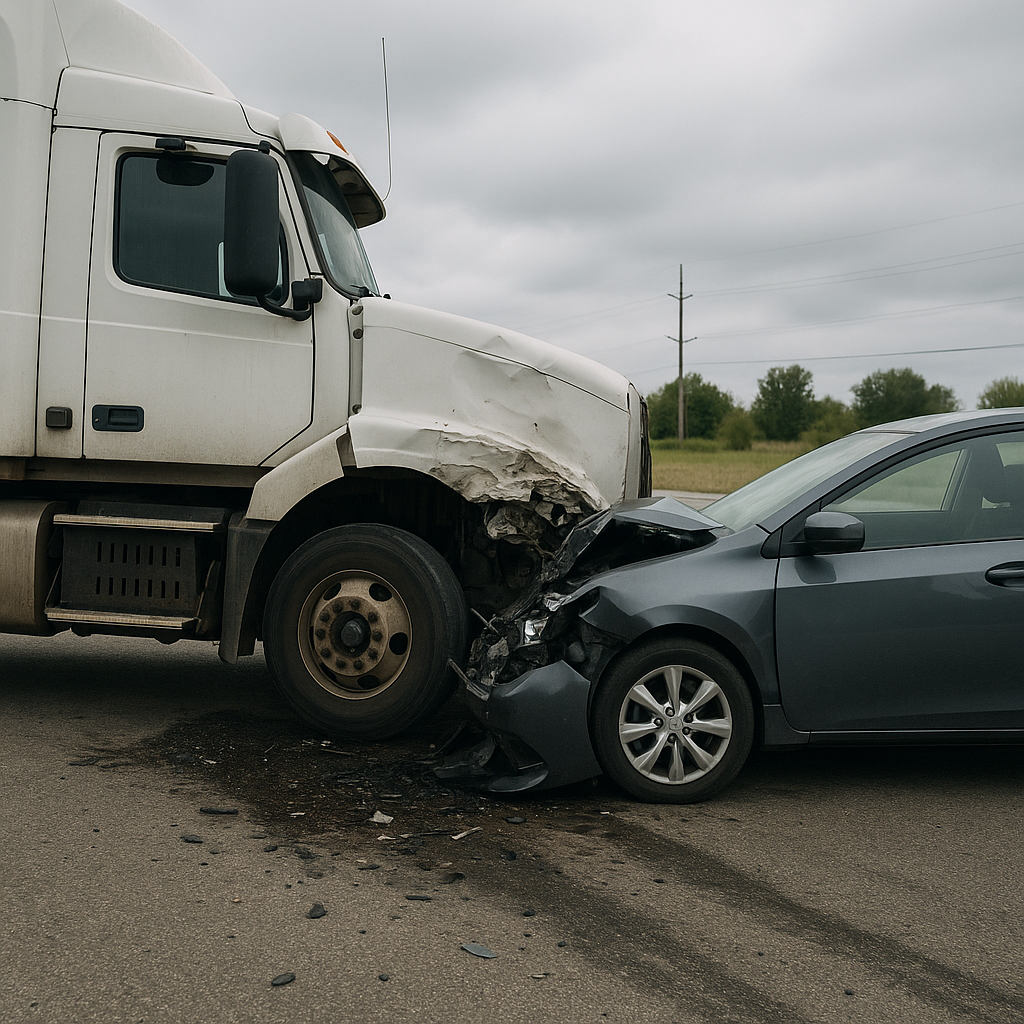
Feeling Jumpy After a Truck Crash
Experiencing a truck crash can be unsettling in many ways, even after the immediate danger has passed. Many people find themselves feeling unusually jumpy or on edge following such an accident—sudden noises might startle them, or they may notice their heart races more often. These reactions are common and part of the body’s complex response to trauma. Understanding why this happens, and recognizing the patterns of these reactions, can provide some clarity during a difficult time.
Overview of Shock and Trauma After Truck Accidents
A truck crash is a sudden, highly stressful event. Whether involved directly or as a witness, such incidents can trigger strong psychological and physiological responses. The “jumpy feeling after truck crash” is one of many ways the body and mind respond to the shock and stress of the incident.
Trauma from an accident typically encompasses both immediate shock—a state of emotional and physical response directly following the event—and ongoing psychological responses in the days, weeks, or months afterwards. Emotional and physical shock can manifest as numbness, confusion, or feeling disconnected from one’s surroundings. In addition, the mind may continue processing the event long after the physical injuries, if any, have healed.
Why the Body and Mind React This Way
The sensation of feeling jumpy or on high alert after a truck crash is rooted in the body’s natural stress response, often known as the “fight, flight, or freeze” reaction. The human nervous system is hardwired to sense danger and respond quickly to threats. During a traumatic event like a truck accident, the body releases stress hormones such as adrenaline and cortisol, which trigger several changes:
– Heightened awareness: The senses become sharper.
– Increased heart rate: Blood is pumped faster to prepare for quick action.
– Muscle tension: The body readies itself for movement.
– Startle response: The nervous system remains on alert for more threats.
While these changes are helpful in the moment, they can linger after the immediate threat has passed. The nervous system may continue to stay on high alert, making a person more reactive or easily startled by everyday sights and sounds—a classic symptom of feeling jumpy after a truck crash.
Common Reactions People Experience
Not everyone responds to a truck crash in exactly the same way, but there are several frequently observed reactions related to the jumpy feeling:
– Startling easily: Sudden noises (such as a car horn or a door slamming) may cause an exaggerated startle response.
– Hypervigilance: A person might feel as though they are constantly on guard, scanning their environment for possible dangers.
– Difficulty relaxing: Restlessness, trouble sleeping, or feeling tense even in familiar situations can be common.
– Physical symptoms: These might include a racing heartbeat, sweating, trembling, or gastrointestinal disturbances.
– Intrusive thoughts: Flashbacks or unwanted memories of the crash may suddenly arise, sometimes causing the same jumpy feelings to return.
Each individual’s response is unique. Some may notice these symptoms immediately, while others may develop them over time as the mind continues to process the traumatic event.
How These Reactions Can Change Over Time
For many individuals, the intensity of these reactions diminishes naturally as time moves forward. In the aftermath of a truck crash, the body and mind often need some time to adjust and return to a sense of normalcy.
– In the first days or weeks: It is common to experience heightened startle responses, restlessness, and disrupted sleep as the body gradually recovers from the shock.
– Over months: Many people find the jumpy feeling after truck crash episodes lessen as the memory of the incident becomes less acute. Others may continue to experience symptoms, particularly during high-stress situations or reminders of the event.
– In rare cases: The reactions may persist or even intensify, particularly if the accident was particularly distressing or resulted in significant changes to daily life. This can be part of a more extended adjustment process.
The recovery period varies widely from person to person and can be influenced by factors such as the individual’s prior experiences, support system, and personal coping mechanisms. However, it is important to acknowledge that a jumpy feeling after a truck crash is a recognized and understandable reaction to trauma.
Closing Reassurance Paragraph
It is not unusual to feel jumpy, anxious, or unsettled after experiencing a truck crash. These responses are part of the body and mind’s natural way of coping with shock and stress. Everyone’s journey through recovery is different, and it is normal for these feelings to persist for a period of time. Should these reactions raise concerns or interfere significantly with daily life, there are various ways individuals find support or understanding that suit their personal circumstances. In most instances, the intensity of the jumpy feeling gradually lessens, allowing for a return to a more settled state over time.