
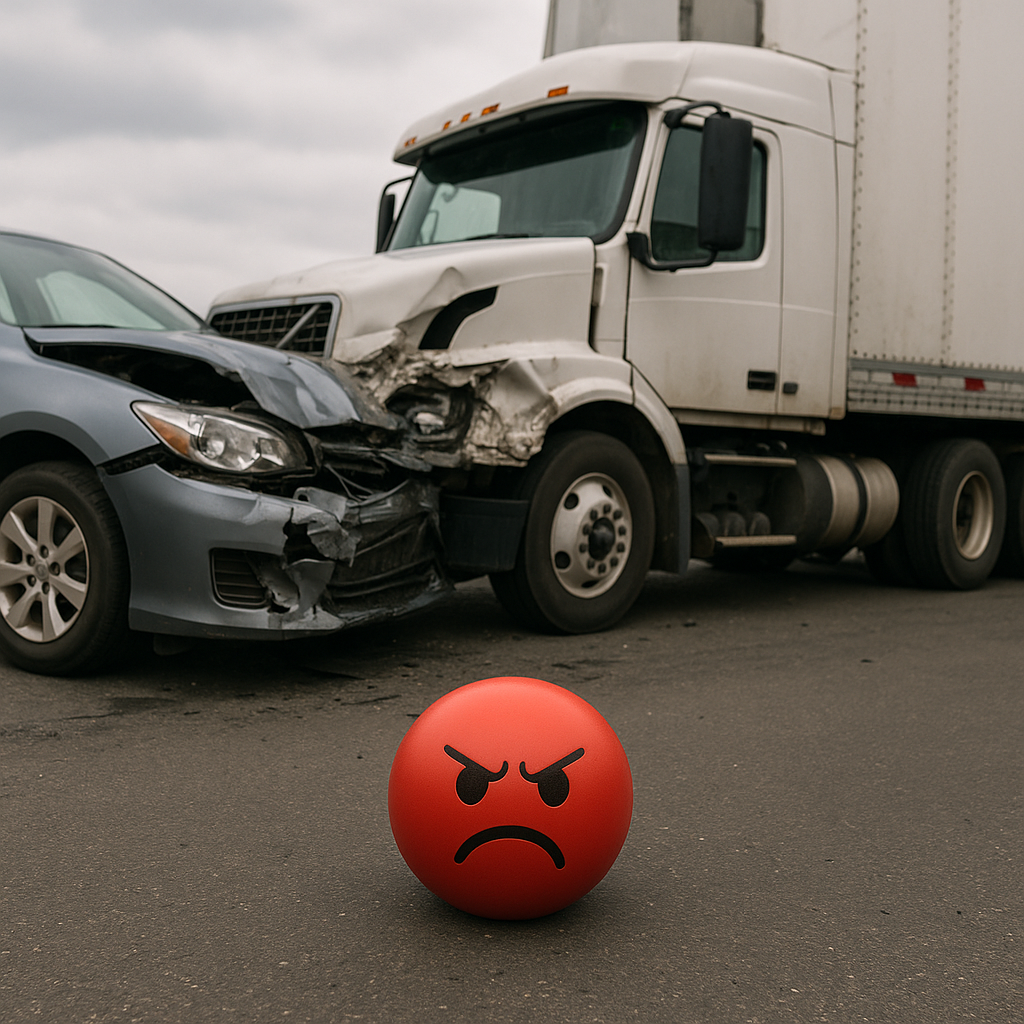
Anger and Irritability After a Semi Truck Accident
Large vehicle collisions, such as those involving semi trucks, are sudden and often deeply unsettling events. In the aftermath, individuals may notice emotional responses they did not expect—including persistent anger and irritability. Understanding these feelings as part of the broader landscape of trauma can be helpful in navigating the recovery process.
Overview of Shock and Trauma After Truck Accidents
The experience of a semi truck accident frequently involves intense and overwhelming situations. Such accidents can disrupt an individual’s routine and sense of safety in profound ways. Even after ensuring physical safety, those involved may find themselves struggling with emotional aftershocks that are less visible but no less real.
Psychological trauma is a natural response to events that the brain perceives as threatening, dangerous, or life-altering. An accident with a large vehicle like a semi truck is not only physically impactful, but also brings a rush of emotions, confusion, and stress. These feelings can linger long after the scene is cleared, manifesting in a variety of ways, including ongoing anger or irritability.
Why the Body and Mind React This Way
To understand anger and irritability after a semi truck accident, it helps to look at how the body and mind process traumatic experiences.
When faced with an unexpected crisis, the body’s stress response is triggered. This “fight, flight, or freeze” response floods the system with stress hormones such as adrenaline and cortisol. The result is a heightened state of alertness—a readiness to react quickly to potential dangers. Even after the threat has passed, however, the body may remain on edge.
Meanwhile, the mind is left to process the event, and this can involve reliving the accident, replaying the choices made, and dwelling on what could have been different. This internal struggle often corresponds with strong emotions, including anger and irritability, which are typical elements of the psychological aftermath.
Common Reactions People Experience
After a traumatic incident like a semi truck accident, it is common to notice a range of emotional, cognitive, and physical reactions. Anger and irritability are among these, but they are often accompanied by:
– Sudden mood swings
– Trouble sleeping or changes in appetite
– Difficulty concentrating
– Feelings of sadness or numbness
– Increased sensitivity to traffic or loud noises
– Desire to withdraw from others
Anger may arise from a sense of injustice or frustration: “Why did this happen to me?” or “I’m angry at the other driver.” This response reflects a natural search for meaning or control after an event that feels both unfair and uncontrollable. Irritability, on the other hand, often arises from the persistent stress and anxiety that can follow a traumatic experience. Minor frustrations may feel magnified, and patience may be unusually thin.
It is important to recognize that these reactions are not signs of weakness or failure. Rather, they are instinctive responses as the mind and body attempt to restore a sense of stability and security.
How These Reactions Can Change Over Time
The course of emotional recovery following a semi truck accident is often unpredictable. For some, anger and irritability fade within weeks as the initial shock wears off. Others may find these feelings persisting or intensifying, particularly if the effects of the accident disrupt daily life or create ongoing challenges.
Common patterns over time include:
– Gradual improvement: Many individuals notice that anger and irritability lessen as they return to familiar routines and as memories of the accident recede.
– Recurring episodes: For some, certain reminders—such as being in traffic or hearing similar news stories—can trigger a return of these strong emotions.
– Delayed response: Occasionally, anger and irritability may not appear immediately but develop weeks or months after the incident as the reality of the experience sets in.
The support of family, friends, and, when appropriate, professionals can make a difference in how these reactions evolve. Reconnection with regular activities and safe environments often plays an important role in helping the mind and body regain balance.
Closing Reassurance Paragraph
Experiencing anger and irritability after a semi truck accident is a common and natural part of the body and mind’s attempt to respond to a stressful event. While these feelings can be uncomfortable and at times surprising, they are a recognized part of the recovery process for many people. Everyone’s journey through trauma is unique, and reactions will vary from person to person. With time and understanding, it is possible for these emotions to settle and for a sense of stability to return.