
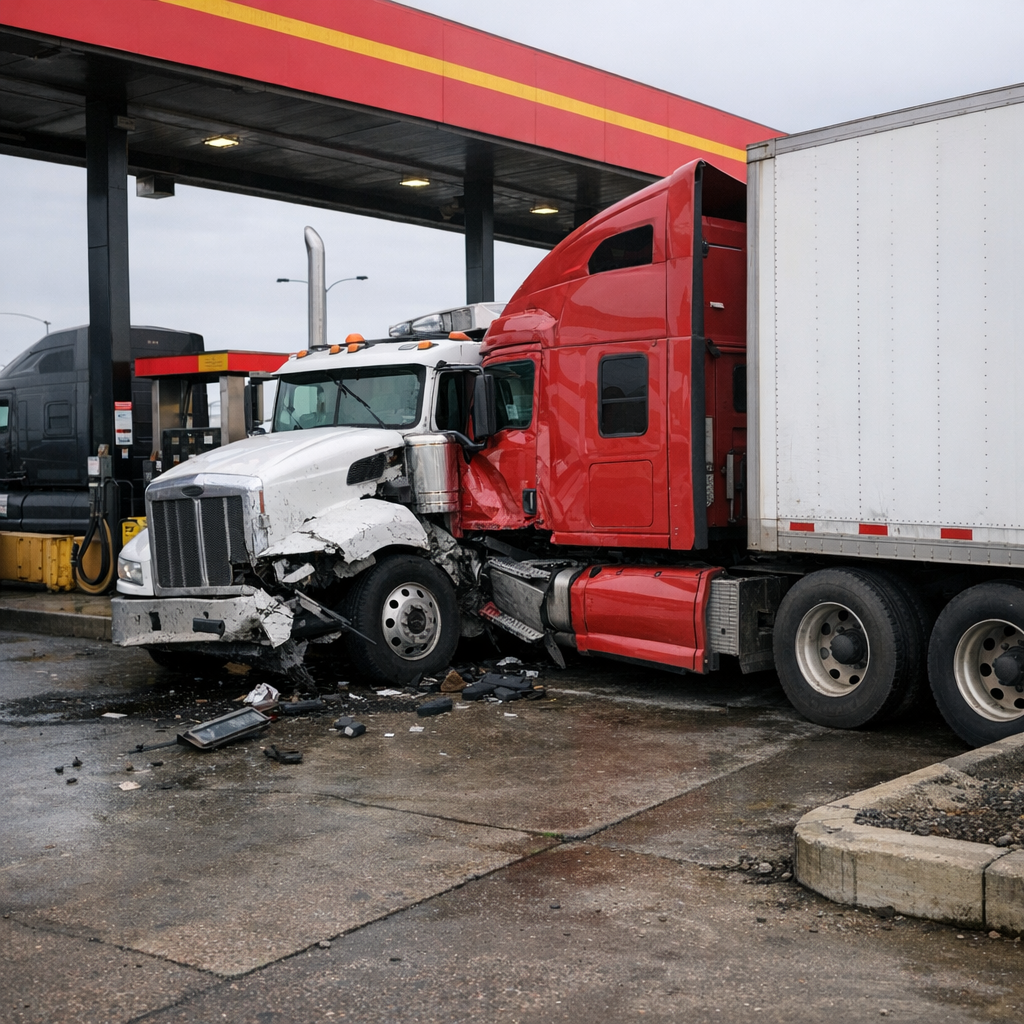
How Fuel Stops Can Lead to Truck Accidents
Introduction to the Topic and Why It Matters in Truck Accidents
Fuel stops are a necessary part of every truck driver’s routine, but these routine stops can also present unique hazards. While trucks are designed for long journeys, drivers must make fuel stops at roadside stations or truck stops to refuel, rest, and attend to basic needs. Unfortunately, these seemingly simple pauses create opportunities for “truck stop accidents” that can affect not just truck drivers, but also other motorists and pedestrians. Understanding the risks associated with fuel stops is important for improving road safety and preventing accidents.
Key Information Related to the Topic
Important Factors, Causes, or Details
Several factors at fuel stops can increase the risk of accidents:
– Tight Spaces: Truck stops are often crowded and built with limited maneuvering room. Large vehicles must navigate narrow lanes and tight corners, which heightens the risk of collisions, especially during busy hours.
– Fatigue and Distraction: Drivers may be tired or distracted after long stretches on the road. Fatigue can slow reaction times, while distractions—such as checking messages, paperwork, or planning the next route—can lead to lapses in attention.
– Slippery Surfaces: Fuel spills and weather conditions can create slick surfaces at pumps or parking areas, increasing the chances of slipping or losing control.
– Visibility Issues: Poor lighting at night, blind spots around trucks, and obstacles like other parked vehicles can make it difficult to see pedestrians or nearby vehicles.
– Time Pressure: Drivers may feel rushed to get back on the road, leading to hasty decisions and unsafe maneuvers when entering or exiting fuel stops.
Potential Impacts or Outcomes
Truck stop accidents can range from minor fender-benders to more serious collisions involving injuries or property damage. These incidents can cause delays, financial losses, or, in severe cases, impact a driver’s livelihood and well-being. Accidents at truck stops may also endanger pedestrians and other vehicles sharing these busy spaces.
General Considerations After a Truck Accident
After a truck stop accident, it’s important to prioritize immediate safety and seek medical attention if needed. Reporting the accident to the necessary authorities, documenting the scene with photos if possible, and exchanging information with all involved parties is also recommended. Keeping calm and following standard procedures helps ensure everyone’s safety and supports the fair handling of the situation.
Awareness of Options and Support Available After an Accident
People involved in a truck stop accident may explore options such as contacting insurance providers or seeking professional help for guidance. There are resources available to provide support, whether through insurance, health services, or legal professionals who can help clarify next steps if needed.
Closing Informational Summary
Fuel stops are essential but can present various risks that may lead to truck accidents. Understanding the contributing factors and potential impacts can raise awareness and help prevent future incidents. If a truck stop accident occurs, staying calm, following the correct procedures, and knowing what support options are available can provide reassurance and assistance during a challenging time.