
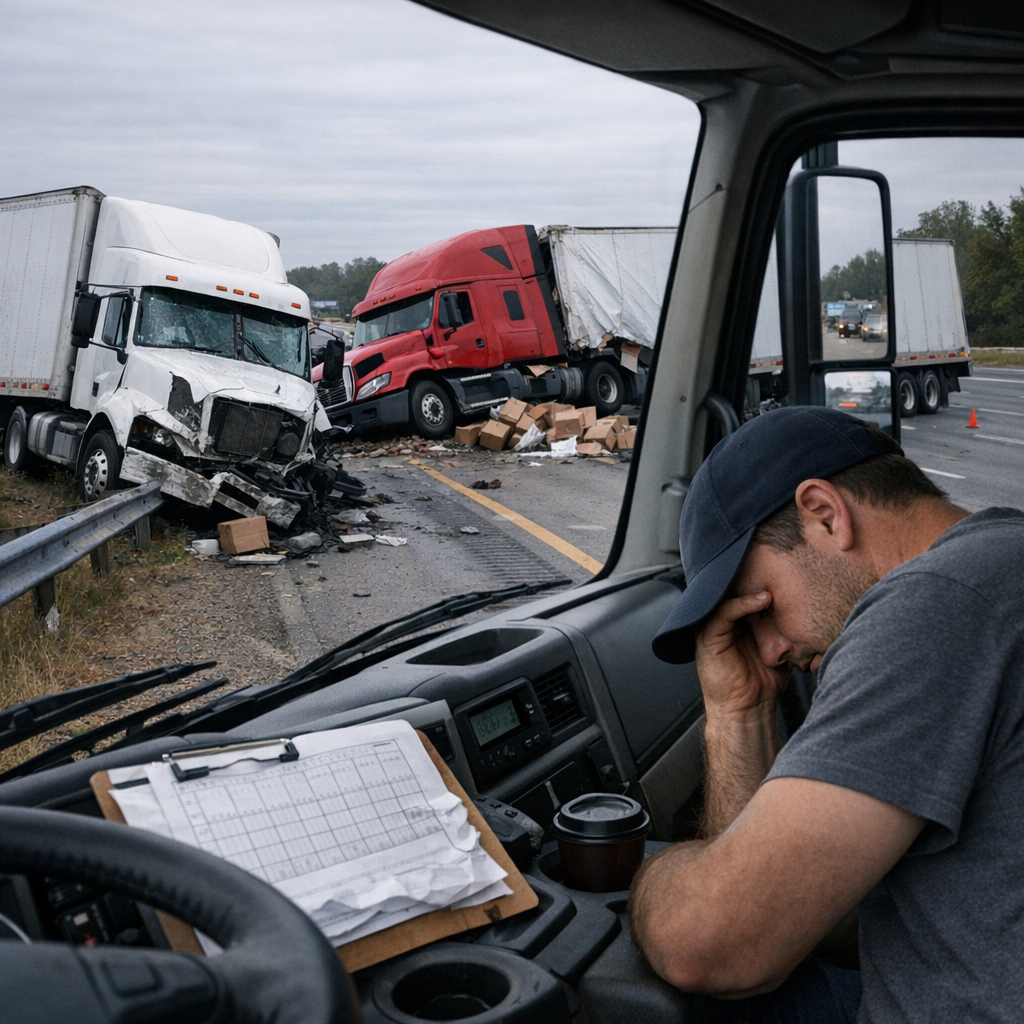
How Trucking Schedules Lead to Accidents
Introduction to the Topic and Why It Matters in Truck Accidents
Trucking is a vital part of our supply chain, ensuring that goods reach their destinations efficiently. However, tight trucking schedules can sometimes contribute to accidents on the road. Understanding how a “trucking schedule fatigue accident” can occur is important for truck drivers, companies, and the public. These incidents can potentially impact lives, property, and the transportation industry as a whole.
Key Information Related to the Topic
Truck drivers often operate under strict delivery deadlines and extensive routes. Many schedules require drivers to spend long hours behind the wheel, sometimes sacrificing rest to meet company targets. Federal regulations exist to help manage drive times, but the pressure to stay on schedule can still be significant.
Important Factors, Causes, or Details
A major cause of concern is fatigue. Tight trucking schedules may not leave enough time for quality rest, leading drivers to operate vehicles while tired—a scenario known as a “trucking schedule fatigue accident.” Other factors include:
– Long shifts with few breaks
– Irregular sleeping patterns
– Pressure to complete back-to-back deliveries
– Limited time to eat or maintain personal well-being
These conditions can lead to slower reaction times, reduced attention, and decreased ability to make quick decisions on the road.
Potential Impacts or Outcomes
The consequences of accidents linked to trucking schedules can range from minor vehicle damage to more severe outcomes like injuries. Fatigue-related incidents may also result in property loss and road closures, affecting other road users and businesses. The aftermath can be stressful for everyone involved, including drivers, companies, and those affected by the accident.
General Considerations After a Truck Accident
If involved in an accident, safety is the first priority. It’s important to check for injuries, call for assistance, and gather information. Reporting the incident to the proper authorities is crucial. If possible, documenting the scene with photographs and noting details about the trucking schedule, driver condition, and road circumstances can be helpful.
Awareness of Options and Support Available After an Accident
Those affected by a trucking accident may need time to recover or assess vehicle damage. Support can come from insurance companies, support groups, or healthcare providers. Some people may also consult legal or professional help to understand their options or pursue compensation. It’s beneficial to seek guidance and make informed decisions during recovery.
Closing Informational Summary
Trucking schedules play a significant role in driver fatigue and accident risk. By acknowledging the potential dangers of tight delivery timelines, everyone—from employers to drivers—can work together to promote road safety. While accidents can be stressful, knowing the causes, steps to take afterward, and available support can help individuals manage the situation with confidence and care.