
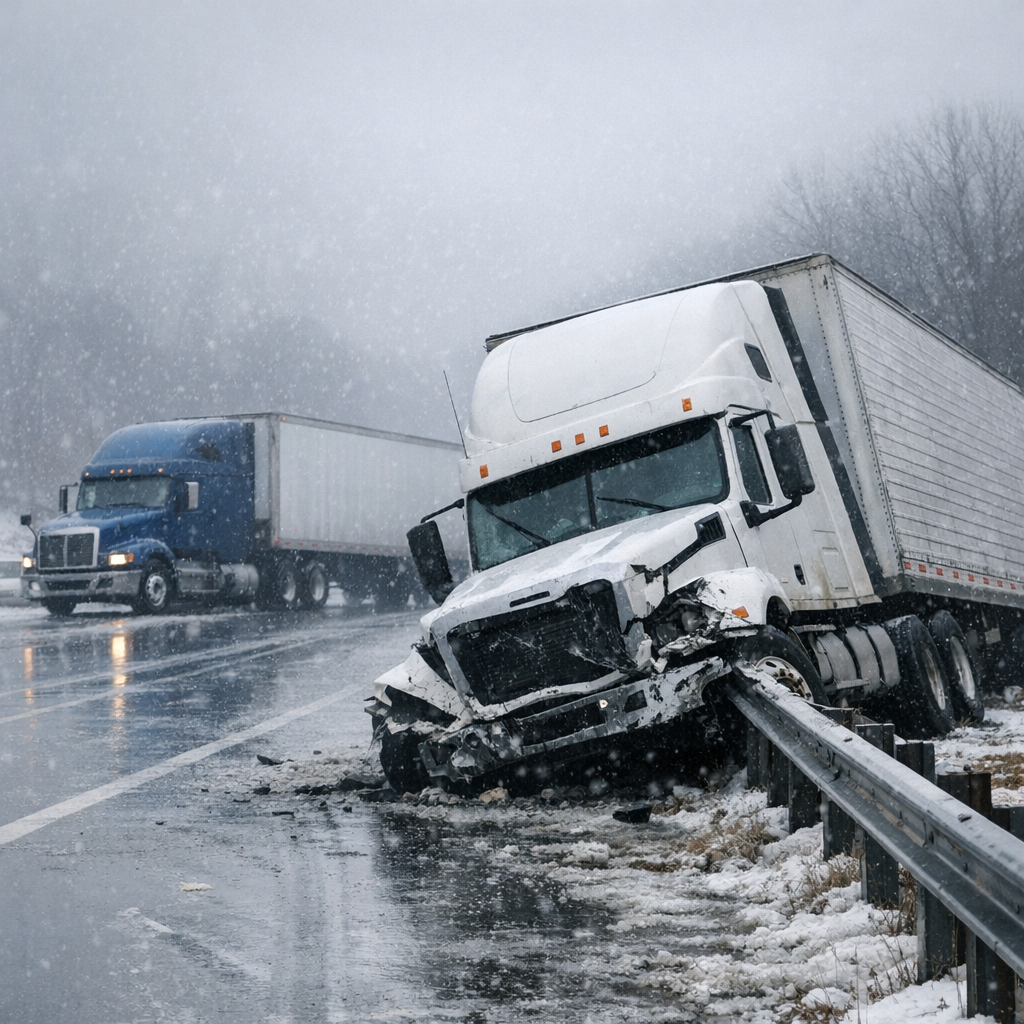
Weather-related Truck Accidents Explained
Introduction to the Topic and Why It Matters in Truck Accidents
Weather-related truck accidents are a major concern on roads and highways, especially during periods of heavy rain, snow, fog, or ice. Trucks play a vital role in transporting goods, but their large size and weight can make them more prone to accidents in poor weather conditions. Understanding how weather contributes to truck accidents is important for drivers, companies, and everyone who shares the road.
Key Information Related to the Topic
Important Factors, Causes, or Details
Bad weather can create several hazards for truck drivers, including:
– Reduced Visibility: Fog, heavy rain, or snow can limit how far and how clearly drivers can see, making it harder to react to hazards ahead.
– Slippery Roads: Ice, snow, and wet surfaces can cause trucks to skid or lose control, particularly when making turns or stopping suddenly.
– Longer Stopping Distances: Trucks already require more distance to stop than smaller vehicles, and wet or icy roads increase this need even more.
– Wind Gusts: High winds can make it difficult for truck drivers to keep control of their vehicles, especially when hauling tall or empty trailers.
Potential Impacts or Outcomes
The outcomes of truck accidents in bad weather can range from minor collisions to serious multi-vehicle pileups. Weather-related crashes might cause road closures, vehicle damage, injuries, or delays in goods delivery. While improved technology and experienced drivers help reduce risks, adverse weather remains a significant factor in many incidents.
General Considerations After a Truck Accident
After any accident—especially one involving bad weather—it’s essential to stay calm. Safety should be the top priority, so move to a safe area if possible and check for injuries. Reporting the accident to the appropriate authorities is usually required, and documenting the scene with notes or photos may help later.
Awareness of Options and Support Available After an Accident
Those involved in weather-related truck accidents may want to explore their options for support. This could include reaching out to insurance providers, seeking medical attention, or consulting with professionals for guidance. Many people find it helpful to talk with experienced advisors or legal professionals, especially when navigating next steps or resolving questions about responsibility.
Closing Informational Summary (Neutral and Reassuring)
Weather-related truck accidents are a complex issue influenced by many factors, including visibility, road conditions, and wind. By understanding the challenges presented by bad weather, drivers and others on the road can take steps to stay safer. Support and guidance are available for those involved in such incidents, and many resources exist to help individuals recover and move forward after an accident. Staying informed and prepared can make a meaningful difference in reducing risks and responding calmly if accidents occur.