
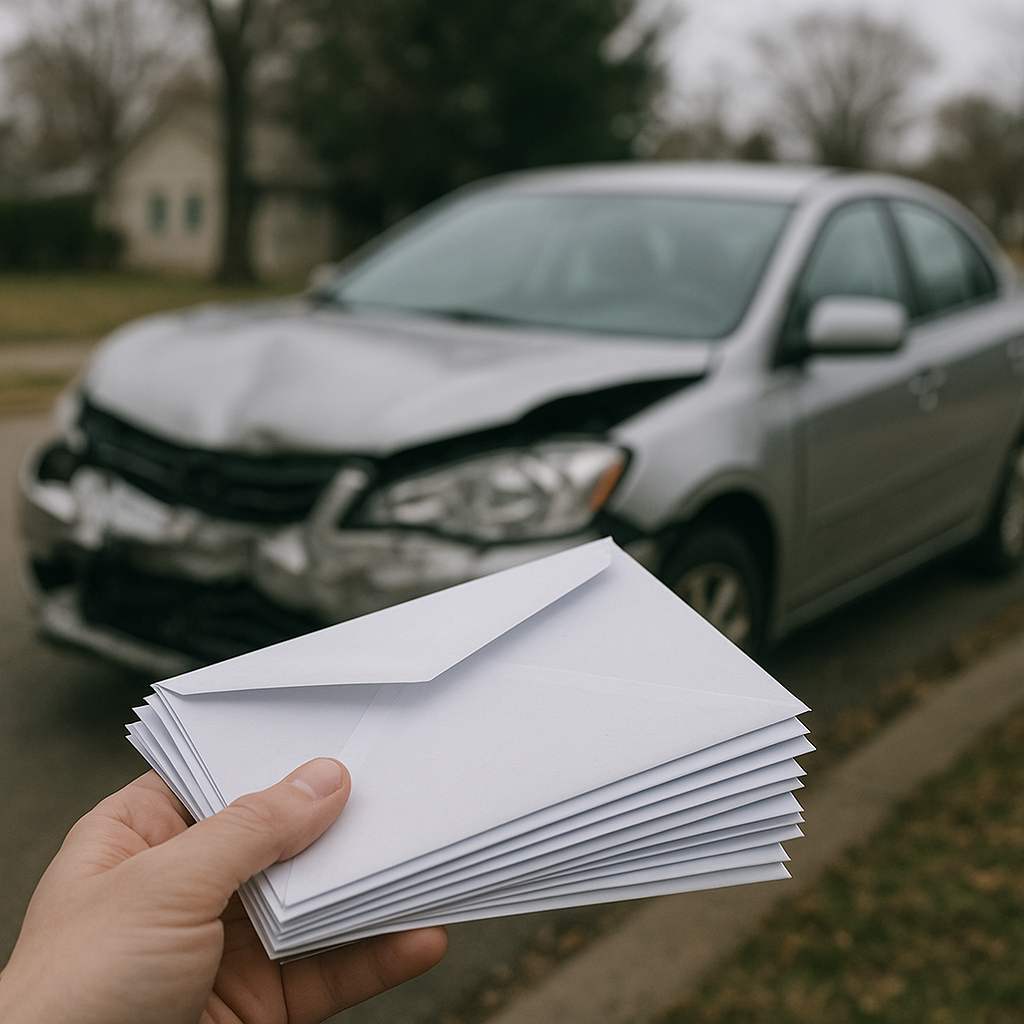
Why Do I Feel Anxious Opening Mail After the Crash?
Why This Question Is Common After Severe Accidents
Many people find themselves unusually anxious opening mail after a crash. This reaction may feel perplexing, especially if the crash itself is in the past and has been physically resolved. As daily routines resume, ordinary activities—like collecting and opening mail—can unexpectedly trigger feelings of dread, worry, or unease.
For those who have recently experienced a severe accident, this anxiety is not rare. After a traumatic event, everyday tasks and reminders can feel sharply magnified. Mail, which previously just delivered bills or personal notes, may suddenly seem unpredictable, even threatening. Insurance-related correspondence, legal documents, or other official-looking envelopes can stir intense concern about new problems or unexpected consequences. The anticipation of potentially bad news or unresolved issues linked to the crash can make such simple acts feel emotionally charged.
Clear Neutral Explanation
Anxiety about opening mail after a crash often emerges from the connection between the accident and ongoing outcomes. After a severe crash, individuals usually face a period of uncertainty. They may be waiting for insurance decisions, medical statements, repair estimates, or legal notifications. Each envelope in the mailbox becomes a symbol of unresolved matters, possibly bringing financial, legal, or personal updates.
This reaction is deeply rooted in the body’s natural stress responses. When a person experiences trauma, the brain becomes attuned to signs of further threat or trouble. Even indirect triggers—like a letter bearing an insurance company’s name—can remind the mind and body of the original shock. The anticipation of receiving difficult information sustains a low-level state of alertness or even dread. While the mail itself is harmless, the potential for new complications can be enough to prompt anxious feelings.
Importantly, this anxiety does not necessarily indicate ongoing trauma or a lack of resilience. It is a typical human response after major disruptions and can occur regardless of how much time has passed since the initial incident. The crash sets off a chain of logistical steps and administrative tasks that often continue for months, keeping the experience active in a person’s daily life. Mail is simply the most visible messenger for these unresolved elements.
Helpful Emotional Context
Experiencing anxiety when opening mail after a crash can also be understood as a reflection of the emotional residue left by the accident. Major incidents disrupt a feeling of control and predictability in life. Afterward, events that once seemed routine can suddenly feel fraught with uncertainty.
Each new envelope may evoke thoughts such as, “Is this another bill I can’t afford?” or “Has something worsened with my case?” For many, it is not merely the content of the mail, but what it represents: more challenges, further reminders of the crash, or steps still left to complete. Even with outward calm, there can be a persistent undercurrent of worry about unfinished business.
This kind of anxiety is often shared but unspoken. Loved ones or colleagues may not realize how much energy is spent just opening the mailbox. Navigating these reactions quietly is common, and it is important to acknowledge that emotional responses to traumatic events can echo in unexpected ways.
Common Misconceptions
A number of misconceptions can complicate how people understand their anxiety about the mail after a crash. One common assumption is that this reaction signals weakness or an inability to move on. In reality, the human brain is wired to be cautious after danger, and minor triggers often activate lingering stress responses—especially when practical matters remain open.
Another misconception is that anxiety about opening mail is irrational or unfounded. This view overlooks the fact that, for many, mail delivered in the weeks and months after a crash often did contain difficult news—bills, legal notices, claims paperwork, or complications. The feeling is not baseless; it reflects real experiences and a memory of stress associated with seemingly innocent envelopes.
Some may compare their reactions to others or believe anxiety should fade immediately once the crisis ends. Emotional recovery can vary significantly, and what feels overwhelming to one person may seem trivial to another. There is no single timeline or “correct” way to process the series of emotions triggered by a severe accident.
Closing Paragraph
Feeling anxious opening mail after a crash is a common experience, shaped by both practical realities and emotional responses to trauma. Each piece of mail may represent more than just news; it can be a reminder of an ongoing journey through recovery, paperwork, and uncertainty. Recognizing that this reaction is not only normal, but also shared by many, can bring some relief. Over time, as unresolved matters diminish, the act of opening mail often returns to its ordinary, mundane place in daily life—but for a period, it is understandable to greet the mailbox with hesitation or worry.