
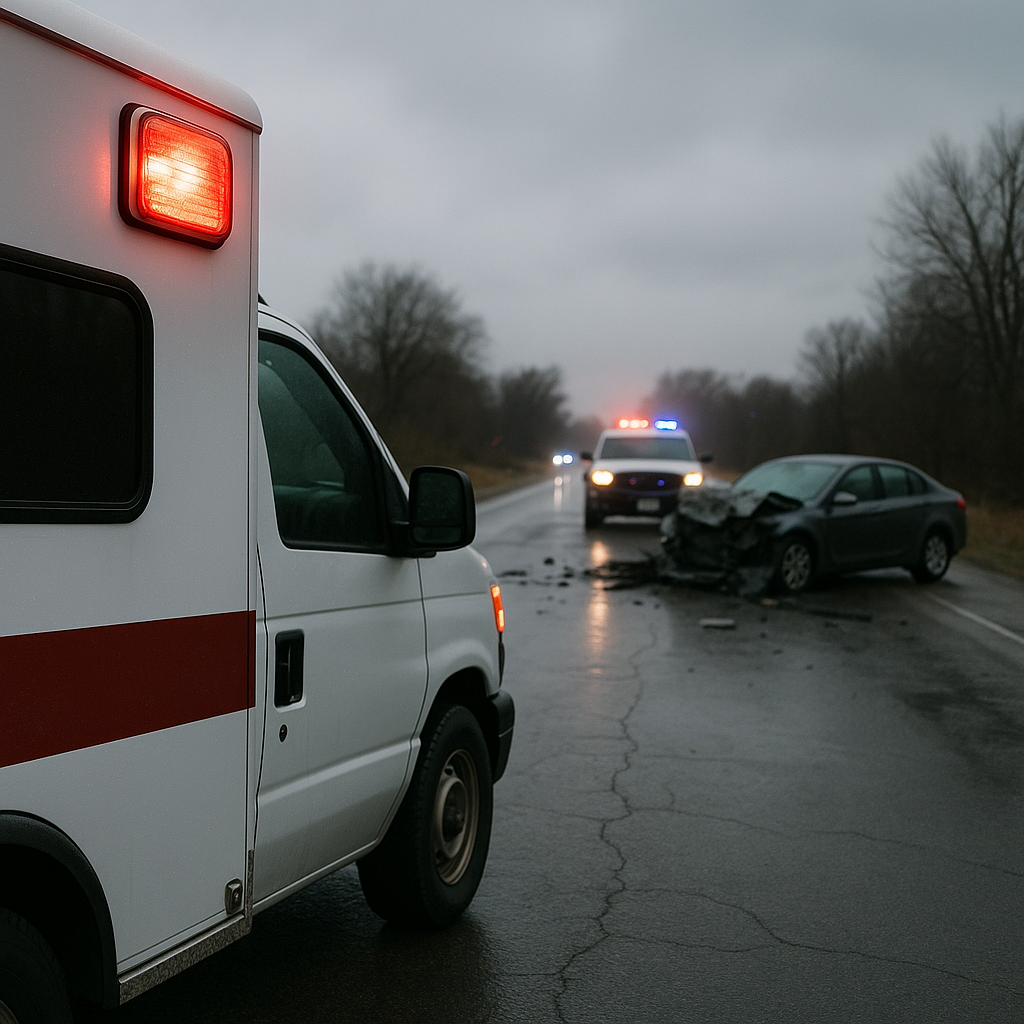
Feeling Triggered by Sirens After Accidents
Overview of Shock and Trauma After Truck Accidents
Being involved in a truck accident can be a life-altering experience. Such events are sudden, overwhelming, and can leave lasting impressions on both the body and mind. In the immediate aftermath, many people report feeling stunned or disconnected—what is commonly referred to as “shock.” Over time, this shock may transform into deeper psychological stress, often identified as trauma.
Common responses to trauma can vary widely. After a truck accident, it is not unusual for survivors to notice that certain sights, sounds, or smells can bring strong memories or emotional reactions. One notable example is the sound of sirens. For those who have experienced a serious accident, hearing emergency vehicle sirens afterward can lead to intense emotional responses, even long after physical injuries have healed.
Understanding why these triggers occur and how reactions can change over time may help individuals recognize and navigate their experiences with greater calm and clarity.
Why the Body and Mind React This Way
Traumatic events, like truck accidents, can have enduring effects on both the mind and body. Trauma essentially re-shapes how people experience the world around them. When something distressing happens, the human body’s built-in survival systems—often referred to as the “fight, flight, or freeze” response—are activated. This involves a surge of hormones such as adrenaline, which prepare the body to respond to a perceived threat.
During and after an accident, anything linked to the event—a blaring siren, flashing lights, or even the smell of gasoline—can become deeply ingrained in memory. The mind unwittingly forms strong connections between these sensory cues and the overwhelming feelings of those moments. Over time, seemingly harmless triggers, such as the sound of an ambulance passing by, can cause the body and mind to re-experience feelings of alarm, fear, or helplessness.
This phenomenon is an example of “associative memory,” a process where the brain links neutral or everyday experiences (like hearing a siren) with intense emotions and physical sensations tied to trauma. These reactions are automatic and not a sign of weakness or failure—they are a normal part of how humans process distressing events.
Common Reactions People Experience
After a truck accident, it is understandable for individuals to be sensitive to reminders of the event. Some common ways people may react to sirens, as one example of a trauma trigger, include:
– Physical sensations: Increased heart rate, sweating, trembling, or feeling short of breath.
– Emotional responses: A sudden rush of anxiety, dread, sadness, anger, or even numbness. Some may feel overwhelmed or tearful without understanding why.
– Cognitive reactions: Difficulty concentrating, unwanted memories of the accident, or intrusive thoughts that feel hard to control.
– Behavioral changes: The urge to avoid places or activities where sirens might be heard, such as driving or walking near busy roads.
– Sleep disturbances: Rising stress or nervousness can sometimes disrupt sleeping patterns, leading to trouble falling or staying asleep.
These responses are highly individual; some people might find they are only mildly bothered, while others may have stronger reactions. The experience of being “triggered” is not something people choose—it often arises quickly and can leave individuals feeling confused or frustrated.
How These Reactions Can Change Over Time
Initially, reactions to triggers such as sirens may be intense and frequent. The first few days or weeks following a truck accident often involve heightened awareness and sensitivity. It is not uncommon for these powerful reactions to gradually lessen over time, especially as the brain begins to process and make sense of what has happened.
Several factors can influence the course of these reactions:
– Time passing: For many, the activation of trauma responses—such as distress at the sound of sirens—diminishes as weeks and months go by, particularly if reminders are encountered in less stressful situations.
– Personal coping styles: Individuals have different ways of managing stress and making sense of difficult experiences, which can shape how long and how strongly trauma triggers persist.
– Support systems: Having understanding people to talk to can sometimes ease the hold of traumatic memories, making reactions to triggers feel less disruptive.
There are also times when these responses remain strong or even become more noticeable later, especially if new stressful circumstances arise. Sometimes, unexpected reminders might renew old feelings. Adjusting to these changes is a process, and there is no set timeline for when or how these reactions resolve. It is a unique journey for every individual.
Closing Reassurance Paragraph
Experiencing intense feelings when hearing sirens after a truck accident is a common and understandable response. These reactions are the mind and body’s way of signaling past distress and are not a reflection of someone’s character or strength. Over time, it is common for these responses to shift, becoming less powerful or frequent, though everyone’s experience is different. This part of recovery can be complex and may require patience with oneself while moving forward after trauma.