
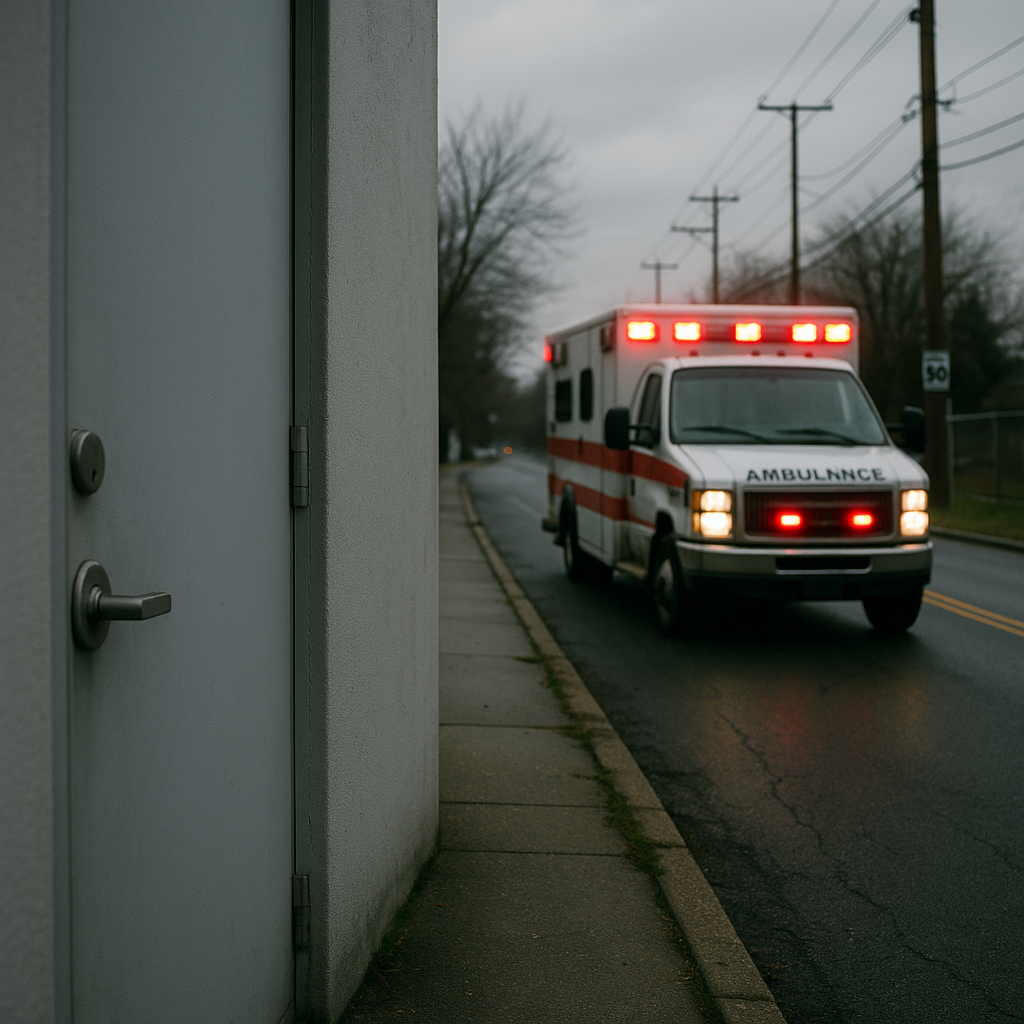
Why do I feel triggered by ambulance sounds?
Ambulance sirens are more than just piercing sounds in the distance for many people. For some, they can evoke a wave of emotional discomfort, tension, or even panic. If you have ever wondered, “Why do I feel triggered by ambulance sounds?” you are not alone. This reaction is a well-recognized phenomenon, especially among individuals who have experienced traumatic events or severe accidents. Understanding why these reactions arise can provide meaningful context to your experiences and help foster a sense of reassurance.
Why this question is common after severe accidents
After a severe accident, everyday sights, sounds, and smells can unexpectedly stir up vivid, unsettling memories. The wailing of an ambulance siren is a particularly powerful example. For many survivors of traumatic accidents or witnesses to emergencies, the sound of an ambulance is intricately linked to the event itself—a kind of auditory snapshot of a moment when life changed dramatically.
The noise of the siren marks a critical, often overwhelming turning point: the arrival of help, the confirmation that something is wrong, or the beginning of a chaotic aftermath. It is not unusual for people who have endured serious accidents to find that ambulance sounds later trigger strong emotional, physical, or psychological responses, including anxiety, increased heart rate, or vivid memories of the original incident.
This connection between trauma and sensory triggers is common. People may find themselves reliving the intensity of the original experience, sometimes even years later, simply by hearing the same sound—like an ambulance—heard during their accident.
Clear neutral explanation
The phenomenon often described as being “triggered by ambulance sounds trauma” is scientifically recognized as a conditioned response. After a traumatic event, the brain stores sensory details—what was seen, heard, smelled—alongside the emotions experienced at that time. The brain’s primary purpose is to keep us safe, so it becomes highly attuned to any signals that even remotely resemble danger.
The link between ambulance sirens and trauma is an example of how the brain associates specific sensory stimuli with highly emotional or overwhelming events. When you hear the siren later, your brain identifies it as similar to what was originally present during the traumatic incident. This can automatically reactivate emotional and physiological responses tied to that memory—even if you are intellectually aware that you are in a safe place and not in any immediate danger.
Triggering events like this happen largely outside of conscious control. The brain’s “alarm system”—structures like the amygdala and hippocampus—involuntarily prompt a stress or fear response, such as a racing heart, sweating, muscle tension, or a rush of anxiety. These are normal reactions to remembered stress and are not signs of weakness or exaggeration.
Helpful emotional context
Feeling triggered by ambulance sounds can be distressing, confusing, or isolating. For those who have lived through a traumatic accident or an emergency, these sounds often serve as powerful reminders. The emotional flooding brought on by such triggers is not simply about the noise itself, but what the sound represents: fear, helplessness, uncertainty, or loss.
It is important to recognize that trauma can imprint on the senses in this way. The mind is wired to protect us by creating vivid associations between danger and contextual clues. When the ambulance sound is heard, it is as if the mind temporarily “returns” to that heightened state of alert or distress. Such reactions are a testament to the seriousness of what was endured and the ongoing impact it can have, rather than a measure of one’s resilience or emotional strength.
Common misconceptions
There are several misconceptions about being triggered by ambulance sounds. A frequent misunderstanding is that this response means someone is overly sensitive or has not “moved on” from what happened. In reality, trauma-induced triggers have little to do with willpower or conscious memory. Instead, they are automatic neurobiological responses, set into motion by the way the brain encodes and retrieves memories.
Another misconception is that only those who were directly injured or present at the accident are affected. In fact, anyone who has a strong emotional reaction to the event—witnesses, first responders, loved ones—may also experience similar responses. The intensity of the reaction is not a marker of the trauma’s authenticity or importance; each person’s experience is both unique and valid.
Closing paragraph
The connection between ambulance sounds and trauma highlights how the brain and body continue to process distressing experiences long after the event itself. Feeling triggered by ambulance sounds is a real, understandable phenomenon rooted in the way the mind links emotions with sensory details. Recognizing this response as a natural part of how people process trauma can offer a measure of comfort and understanding. For those affected, awareness and compassion can make all the difference in navigating a world where even familiar noises can sometimes feel overwhelming.