
Why do I feel like I can’t relax anymore
Why this question is common after severe accidents
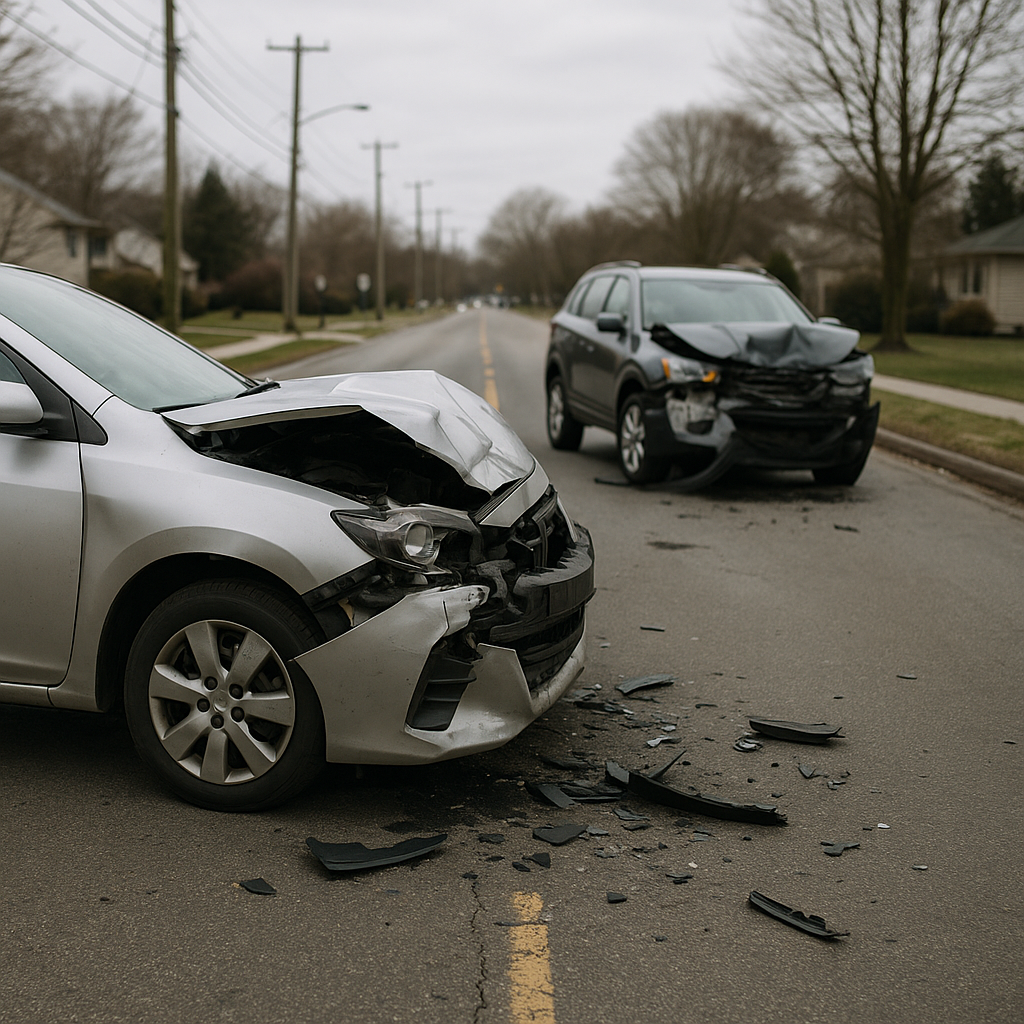
For many people, the aftermath of a severe accident introduces a bewildering array of new feelings and challenges. Among these, the inability to relax stands out as both unexpected and deeply frustrating. Asking “Why do I feel like I can’t relax anymore?” is a natural reaction for those struggling to adjust after a traumatic event or crash. The sense of unending tension can feel alien, especially for those who previously found relief and rest came easily. This question arises frequently after car accidents, work incidents, or any crash involving sudden danger, as individuals try to grapple with why their mind and body no longer seem willing to let go of stress.
The sensation that relaxation is suddenly out of reach is not just a minor inconvenience. It can seem to color every aspect of life. Simple activities—like sitting quietly, reading, or attempting to sleep—are often interrupted by restless thoughts, worries, or physical agitation. As daily life resumes after a crash, the expectation might be that with enough time, things will simply return to normal. When they do not, confusion and concern often lead to searching for an explanation.
Clear neutral explanation
The feeling that one “can’t relax anymore after crash” is often rooted in the body’s automatic response to trauma. After a severe accident, the human stress response—sometimes called “fight-or-flight” mode—tends to remain heightened, even after the immediate danger has passed. This state is designed for short bursts of action, enabling a person to cope with emergencies. However, when triggered by a sudden and frightening experience like a crash, the mind and body can become stuck in this high-alert state for much longer than intended.
Trauma can alter how the nervous system works. Normally, the body moves fluidly between states of stress and relaxation. But after intense events, the brain may perceive regular activities as potential threats, even if they are not harmful. As a result, muscle tension, increased heart rate, shallow breathing, and persistent anxiety may linger, making it very difficult to settle, even in safe and calm situations.
This persistent physiological and psychological arousal isn’t a sign of personal weakness. Instead, it often reflects the mind and body’s effort to protect themselves from further harm. In some cases, these changes might be described as symptoms of post-accident stress or posttraumatic stress responses. While the intensity can vary from person to person, the underlying mechanism is similar—a nervous system working overtime to ensure safety, even at the cost of comfort and relaxation.
Helpful emotional context
For many, the struggle to relax after a crash goes beyond just physical symptoms. Emotionally, the experience can feel isolating and confusing. Many people encounter not only a loss of physical ease, but also a profound sense that life is fundamentally different. Activities that once brought joy or helped with unwinding might now provoke worry, irritation, or fatigue. There may be a sense of guilt or frustration about not “bouncing back” as expected.
It is common, too, to notice changes in how emotions are experienced and expressed. After an accident, some individuals feel more tearful or angry, while others describe feeling numb or detached. The relationship to rest and relaxation can be affected by this emotional turbulence. Individuals may worry about what others will think, particularly if recovery from visible injuries has ended, but the invisible aftermath lingers.
This emotional shift is a normal part of the recovery process for many people. After a severe accident, it can take time for both the mind and body to re-adjust and re-learn how to feel safe doing ordinary things. Recognizing that these sensations are connected to a genuine and profound life disruption—rather than a personal failing—can sometimes offer a small measure of relief.
Common misconceptions
Several misconceptions surround the difficulties of relaxation after a crash. One common belief is that everyone should be able to move on quickly once physical healing is underway; in reality, emotional and psychological recovery often follows a very different timeline. Another misconception is that difficulty relaxing means the individual is “overreacting” or being dramatic. On the contrary, what’s often observed is a normal response to an abnormal event.
It is also sometimes thought that avoiding thoughts about the accident or “trying harder” to relax will resolve the issue. However, relaxation is not purely a matter of willpower; it involves complex physiological and psychological processes. Pretending there is no ongoing impact from the accident can actually prolong distress for some individuals.
The belief that only those who were most physically harmed are affected is also inaccurate. Even those who walked away with minor or no visible injuries can experience significant trouble relaxing due to the mental shock of the event. Each person’s response to trauma is unique, shaped by their individual biology, past experiences, and the specific circumstances of the accident.
Closing paragraph
Feeling unable to relax after a severe accident or crash is an experience shared by many, even as it can feel highly personal and difficult to explain. The persistent tension and restlessness often reflect an ongoing, natural response by the mind and body to a distressing or dangerous event. Although the road back to a sense of ease and comfort may not be straightforward, recognizing the universality of these feelings can help lighten the burden of isolation. In time, with understanding and patience, new patterns of rest and security can become possible.