
Why Trauma Reactions Differ Between People
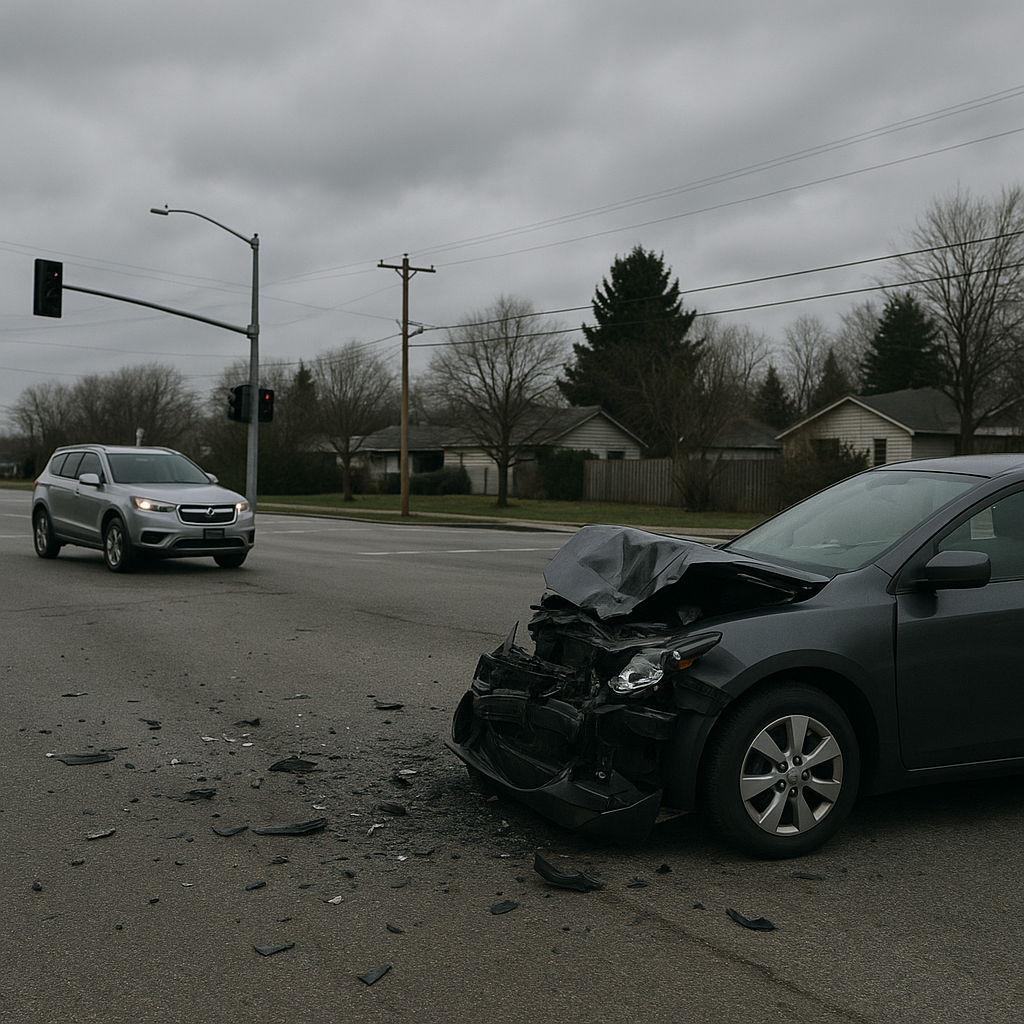
Trauma is a deeply personal experience, and the way individuals respond to it can vary significantly. When people are involved in or witness a serious event, such as a truck accident, their reactions often look very different from one another’s. This is especially true when it comes to both immediate shock and the longer-term effects of trauma. Understanding why trauma reactions differ between people can foster compassion, support, and patience for ourselves and others.
Overview of Shock and Trauma After Truck Accidents
After a truck accident, individuals may experience a wide array of emotional and physical responses. Shock is often among the earliest reactions. This state can involve confusion, a sense of numbness, and feelings of disbelief. For some, the memories of the event may feel distant or surreal. Others might recall every detail with vivid clarity.
Trauma, in a broader sense, is the lasting impact an overwhelming event has on a person’s psychological and emotional well-being. For some, the effects of trauma resolve quickly, while for others, they can persist for months or years. Truck accidents, given their suddenness and potential severity, may leave individuals grappling with a range of reactions.
The differences in how people process shock and trauma may be influenced by numerous factors, including personal history, available support, and individual coping mechanisms. This variability is a normal part of human response, rather than an indication of weakness or strength.
Why the Body and Mind React This Way
The human body and mind are remarkably complex when it comes to processing threat and distressing events. When an individual experiences or witnesses a truck accident, their body may prepare for immediate survival — commonly referred to as the “fight, flight, or freeze” response. This is an automatic, evolutionary process that releases hormones like adrenaline and cortisol to help people react quickly to danger.
However, beyond these initial survival responses, how people continue to react involves a combination of biological, psychological, and social factors:
– Biological Factors: Genetics, past experiences with trauma, and the body’s stress regulation systems can all shape how someone responds to traumatic events. Some people have nervous systems that are more reactive, while others may naturally return more quickly to a baseline state after a shock.
– Psychological Factors: Prior mental health history, coping style, and personal beliefs play a large role. Someone who has experienced past trauma might react more intensely, or occasionally, less so, depending on how they have processed previous events.
– Social Factors: Support from friends, family, and the wider community can buffer or heighten the impact. A person who feels understood and supported may experience less lasting distress than someone who feels isolated.
This intricate interplay ensures that trauma reactions differ, even among people involved in the same incident.
Common Reactions People Experience
Though trauma reactions differ, some of the most frequently experienced responses after a distressing event include:
– Emotional responses: Shock, disbelief, fear, sadness, anger, guilt, or shame.
– Physical symptoms: Trouble sleeping, headaches, fatigue, stomachaches, or rapid heartbeat.
– Cognitive effects: Difficulty concentrating, intrusive memories, confusion, or forgetfulness.
– Behavioral changes: Withdrawal from others, increased vigilance or startle response, changes in appetite, or restlessness.
For some, these responses are immediate, intense, and overwhelming. For others, the signs of trauma might emerge hours, days, or even weeks later, sometimes in more subtle ways. The variety of these reactions is a natural reflection of individual differences in personality, background, and circumstances.
How These Reactions Can Change Over Time
Trauma is not always a static experience. For many people, symptoms or reactions will shift as days, weeks, or months pass:
– Initial Phase: Directly after the event, shock and numbness may dominate. Some may feel disconnected from their emotions or surroundings.
– Processing Period: As the days go by, emotions may surface more intensely, sometimes in waves. People might begin thinking about the incident more frequently or have vivid dreams.
– Adjustment Phase: Over time, many individuals find ways to incorporate the experience into their understanding of themselves and the world. They may develop new routines, confide in others, or seek ways to feel safe again.
For some, trauma reactions may linger or intensify, leading to longer-term issues. Others may find their symptoms gradually recede, sometimes with periods of recurrence during stress or reminders of the event.
Throughout this process, it is important to remember that there is no singular “correct” path to recovery or adjustment. The way trauma reactions differ is shaped by a multitude of factors and can be unpredictable, even for the same person over time.
Closing Reassurance Paragraph
Understanding that trauma reactions differ between people can offer a measure of comfort and acceptance. Each person’s experience with trauma after a truck accident is unique, shaped by their individual history and environment. These differences are a normal part of the human response to distressing events. Over time, and with support from trusted people or resources, most individuals find a way to navigate their reactions in a way that feels right for them. Recognizing and respecting this diversity in responses can help foster a more compassionate environment for everyone affected by trauma.