
Why Do I Feel Anxious Near Semi Trucks?
Why This Question Is Common After Severe Accidents
Many individuals find themselves unsettled or anxious near semi trucks, especially after witnessing or being involved in a serious accident. High-profile crashes involving large trucks are regularly covered by news outlets, and images of damaged vehicles can be both memorable and distressing. Statistically, collisions with semi trucks result in greater damage and more severe injuries compared to those involving smaller vehicles. These realities shape public perception: even if someone has never been directly affected, they may absorb stories, visuals, or statistics that influence their sense of safety. For those who have experienced a severe accident—or know someone who has—the emotional impact tends to be even stronger. The presence of a semi truck on the road may serve as a powerful reminder of vulnerability and past trauma.
Clear Neutral Explanation
At its core, feeling anxious near semi trucks is a common human response rooted in psychology and perception. Large vehicles naturally command attention due to their imposing size, loud noise, and visibility on the road. When something is larger, heavier, and seemingly harder to control, the instinctive response is to be more alert or wary in its presence.
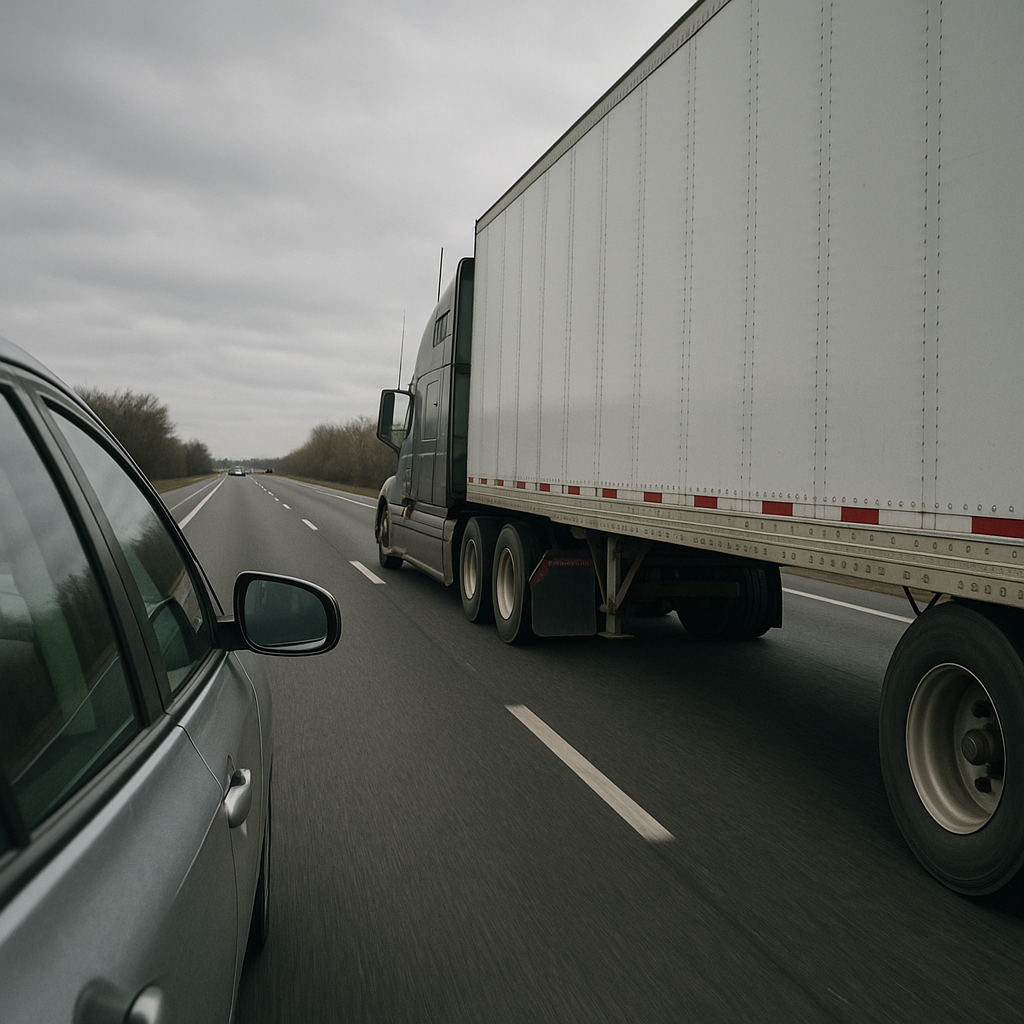
Semi trucks often occupy more space, have significant blind spots, and require longer stopping distances, which can appear intimidating to drivers. For some, these objective factors are enough to spark unease. The brain is constantly working to assess threats based on available information and past experiences. When approaching or driving alongside a semi truck, signals such as vibration, sound, and the perceived unpredictability of a much larger vehicle can activate a natural alertness response. In some cases, this may escalate to mild anxiety or even more intense feelings.
This reaction is often amplified by prior personal experiences or even simply repeated exposure to stories of highway incidents. For someone already managing general anxiety, the presence of a semi truck may serve as a specific trigger point—for others, it’s simply an uncomfortable yet manageable part of the driving experience.
Helpful Emotional Context
The emotional weight that comes with sharing the road with semi trucks isn’t just built on logic. Many drivers report a physical reaction—tension in the shoulders, tightening of the grip on the steering wheel, or holding their breath—when passing or being passed by a large commercial vehicle. These sensations are part of the body’s way of preparing for potential danger, a phenomenon known as the “fight-or-flight” response.
It’s also common for anxious thoughts to become more pronounced during periods of stress or after a near-miss on the road. For some individuals, the unease isn’t limited to personal vehicles—passengers on buses or in rideshares may also experience discomfort when near large trucks. Emotional connections to previous frightening experiences, even if not directly related to a semi truck, may carry over and intensify feelings of worry or agitation in similar scenarios.
Though everyone’s threshold differs, the consistent factor is that emotional responses to semi trucks tend to be heightened by the combination of overwhelming sensory input, memories, and societal narratives about the dangers of large vehicles.
Common Misconceptions
Several misconceptions surround the anxiety people feel near semi trucks. One frequent belief is that these feelings are rare or illogical. In reality, a significant proportion of drivers report feeling anxious or uneasy near commercial trucks, particularly on busy highways or unfamiliar routes.
Another misconception is assuming that all truck drivers are reckless or that most semi truck crashes are caused by driver carelessness. In truth, professional truck drivers undergo extensive training, and many accidents result from a complex mix of road conditions, vehicle limitations, and actions by all parties involved. Overgeneralizing the risk posed by every semi truck can unintentionally feed anxiety, rather than reflect the actual safety record of commercial trucking.
Sometimes, people may view their own anxiety as a personal failing or weakness, when it is more accurately understood as a natural reaction to real and perceived risk. These feelings are neither uncommon nor unreasonable; they stem from a blend of personal experience, learned behavior, and environmental cues.
Closing Paragraph
Feeling anxious near semi trucks is a relatable and understandable response shaped by a mix of environment, experience, and perception. The sheer size and prominence of these vehicles can invoke heightened alertness, while stories of severe accidents or personal history may amplify feelings of unease. Recognizing the factors at play—from psychological instincts to cultural narratives—offers a neutral and compassionate perspective on this common driving experience. The presence of anxiety in such situations is not a sign of weakness, but rather a reflection of the genuine vulnerabilities felt by many on the road.