
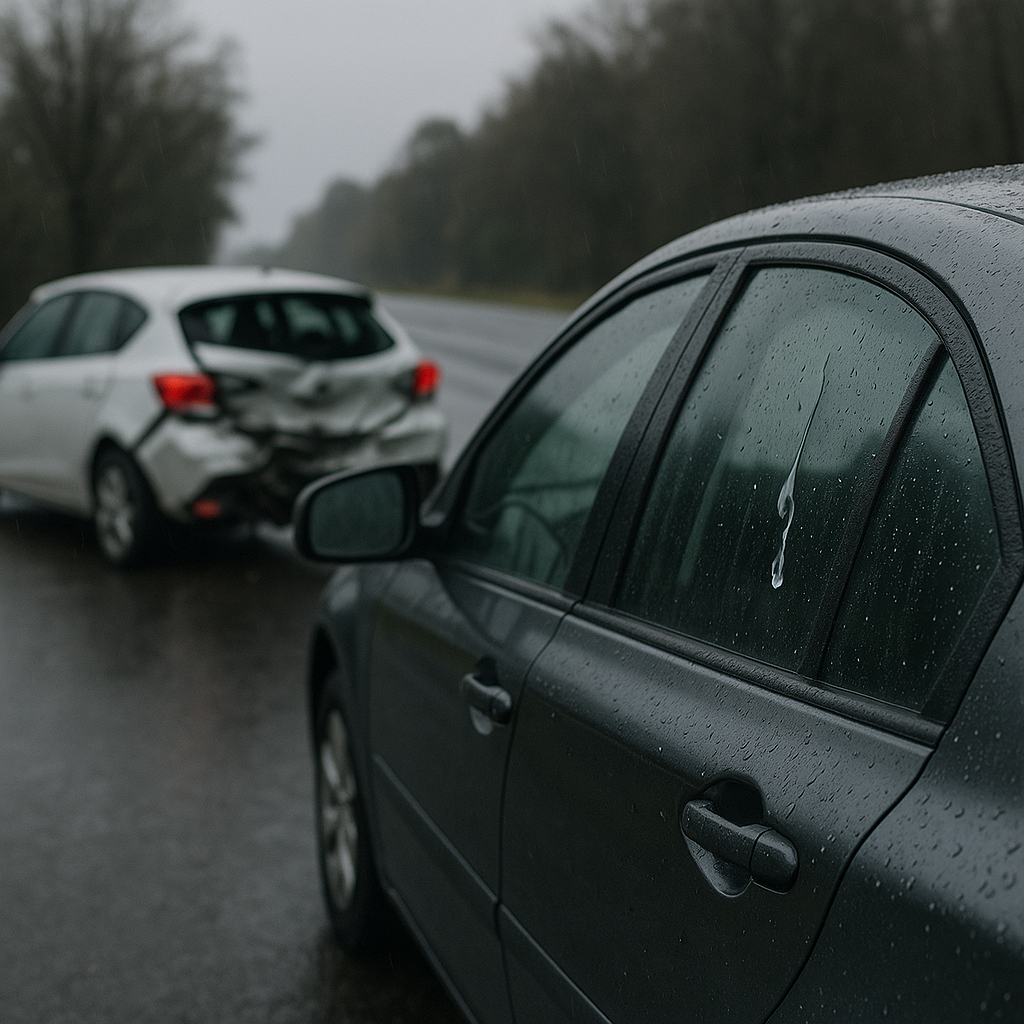
Why Do I Cry Randomly After the Accident?
Why This Question Is Common After Severe Accidents
For many people recovering from a traumatic event, such as a serious car accident or another life-changing incident, sudden and unexpected waves of emotion can be unsettling. Asking, “Why do I cry randomly after the accident?” is a question echoed by countless individuals in various recovery settings, support groups, and online forums. This concern arises largely because these emotional surges often do not seem connected to clear, conscious triggers—or any logical pattern. Instead, they may appear suddenly and disappear just as quickly.
This experience is so prevalent that it has become a well-recognized part of post-accident adjustment, especially following events that have caused significant physical or psychological trauma. The human mind and body often process the aftermath of accidents in complex and sometimes delayed ways. For those grappling with these unpredictable emotions, the question is both a search for understanding and a reflection of the often confusing nature of recovery.
Clear Neutral Explanation
Experiencing random episodes of crying after an accident can be the result of several interrelated processes within the brain and body. One of the most common explanations is the way trauma affects emotional regulation. Trauma, regardless of whether it is physical, emotional, or both, can disrupt the brain’s mechanisms for managing feelings and reactions.
After an accident, the stress response system can become overactive or easily triggered. Areas of the brain linked with processing emotions—such as the amygdala and the limbic system—can become more sensitive. This change may result in emotions surfacing in unexpected ways or at unpredictable times, leading to random tears without a clear reason.
Additionally, the body’s healing process involves more than repairing physical injuries. Emotional and psychological layers of trauma are processed over days, weeks, or even months. This ongoing process can lead to mood swings, irritability, or episodic crying as the mind works through the shock, fear, or sadness associated with the event.
Another factor involves memory. Sometimes, environmental cues or subconscious memories trigger emotional responses without the individual’s conscious awareness. A particular sound, smell, or situation—even if it does not seem directly related to the accident—might prompt a strong feeling that results in crying.
Helpful Emotional Context
The emotional impact of an accident is often profound and far-reaching. An accident can represent an abrupt loss of control, safety, or normalcy. Tears that come suddenly may serve as a release valve for the overwhelming feelings connected to these losses.
It is not uncommon for emotions typically managed in the background to come to the forefront after trauma. The physical act of crying can also serve as a form of self-soothing and emotional release, even when the cause is not immediately apparent.
In addition to dealing with the shock of the incident, individuals may face new challenges such as pain, mobility restrictions, worry about the future, or changes in personal relationships. Each of these factors can contribute to an undercurrent of stress, which sometimes manifests as unexpected tears.
Common Misconceptions
One frequent misconception is that random crying is a sign of “weakness” or an inability to cope with the aftermath of an accident. Another misunderstanding is that only those who remember every detail of their accident or feel afraid are affected by post-accident emotions in this way.
In reality, crying is a normal human response to significant upheaval. It is not necessarily linked to conscious thought or even to sadness. Sometimes, it reflects the mind’s attempt to integrate overwhelming experiences. The idea that there should always be a clear reason for emotional responses, or that these responses should end once physical wounds heal, does not align with how the brain and body process trauma.
There is also the assumption that only severe accidents cause such emotional effects. In fact, even less severe incidents can involve enough disruption to trigger emotional responses that linger and surface unpredictably.
Closing Paragraph
Crying randomly after an accident is a shared experience among many people moving through the complex aftermath of trauma. This reaction is rooted in the intricate interplay between the brain, body, and emotions as they work to process and heal from a major event. Far from being unusual, these episodes reflect the ongoing work of adaptation and recovery. While they can be confusing or distressing, they are also a testament to the depth and resilience of the human response to unexpected change.