
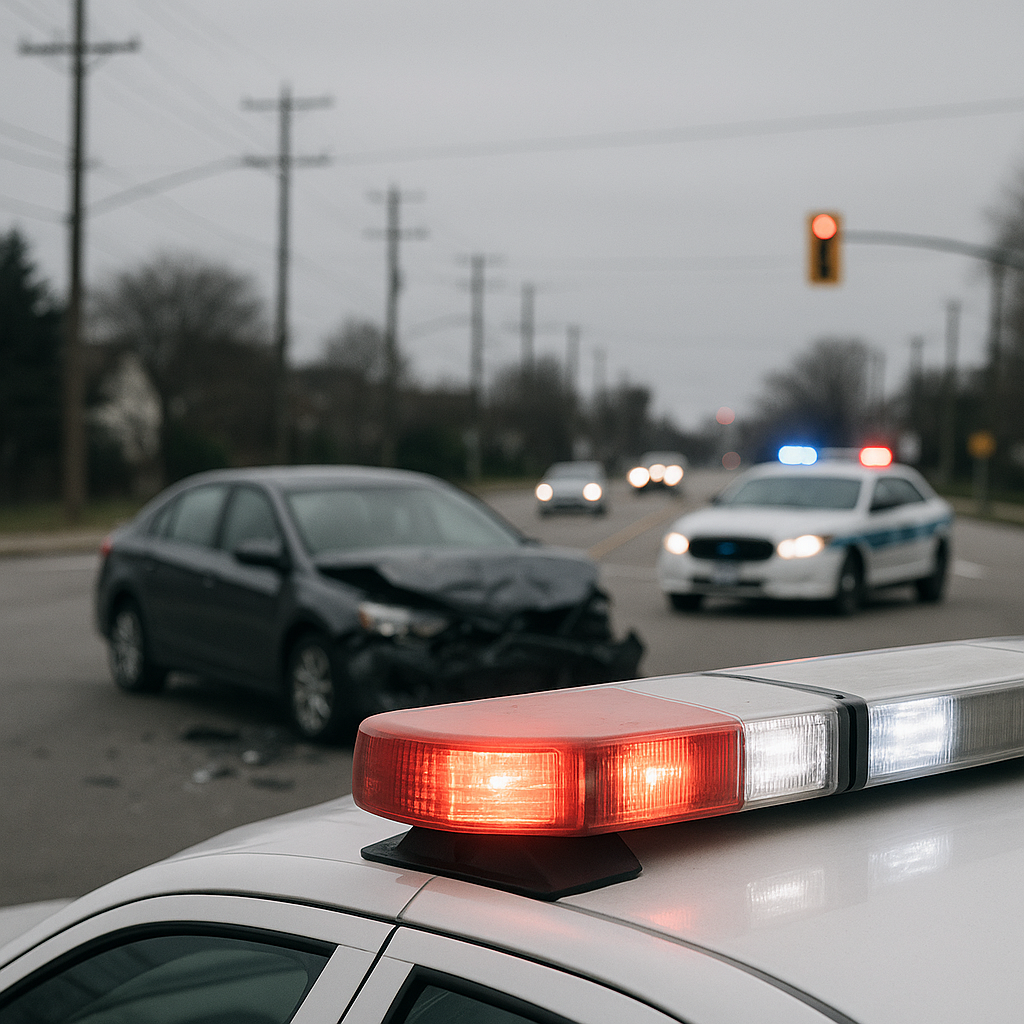
Why Do Sirens Make Me Feel Anxious After the Accident?
Why This Question Is Common After Severe Accidents
Experiencing anxiety when hearing sirens after being involved in a severe accident is a question that arises often for individuals on their road to recovery. Many people find themselves unsettled, even weeks or months after the event, as certain sounds can unexpectedly trigger a resurgence of the emotions felt during the incident. Sirens, in particular, are commonly associated with emergencies, and their distinctive, piercing wail can easily evoke vivid memories for those who have recently experienced trauma. The prevalence of this question—“Why do sirens make me feel anxious after the accident?”—reflects a shared human response to distress and a natural desire to understand the changing landscape of one’s emotions.
The connection between sirens and anxiety after an accident resonates across diverse backgrounds and age groups. This reaction often develops without warning, catching individuals off-guard in everyday settings such as city streets, during television programs, or even in casual conversation when the distinct sound of a siren cuts through the background noise. The urge to make sense of this experience is both understandable and common, as many seek reassurance and insight into what their minds and bodies are undergoing in the aftermath of an accident.
Clear Neutral Explanation
The phenomenon of experiencing anxiety upon hearing sirens after a traumatic event such as an accident is rooted in the body and mind’s response to trauma. In the immediate aftermath of an accident, the siren was a signal of crisis: help was on the way, and something serious was happening. The memory of that sound became tightly linked with feelings of fear, pain, uncertainty, and vulnerability.
When the same sound is heard later, outside the original context, the mind recalls the emotional and physical state experienced during the event. This process is known as a “trigger”—an environmental cue that causes the brain to access stored memories, particularly those associated with strong emotions. The body’s stress response systems activate as if the danger were present again. This response can include a racing heart, rapid breathing, sweating, or an overwhelming sense of dread. These sensations are rooted in natural protective mechanisms—essentially, the mind is working to keep the individual alert to any potential threat, even if there is none at the moment.
This type of anxiety commonly develops when an otherwise neutral stimulus, like the sound of a siren, becomes associated with a previous traumatic incident. Over time, this connection can make the sound itself feel threatening, even if logically, no danger currently exists. As a result, people may notice that their reaction is automatic and does not necessarily reflect their rational understanding of the present situation.
Helpful Emotional Context
Emotions surrounding sirens after an accident are often complex and layered. The sound may evoke not only fear, but also sadness, confusion, or helplessness. For many, the presence of emergency sirens marks a moment when control is lost—when events spin beyond personal influence and outcomes are uncertain. Sirens can act as a sonic reminder of helplessness or vulnerability experienced during the incident, stirring up unresolved feelings.
It is also common for the response to be deeply physical; sometimes the reaction occurs even before the individual is fully conscious of the memory. This underscores the intimate connection between mind and body in the recovery from traumatic events. The initial surge of emotion and physical symptoms is the body’s way of signaling distress and trying to make sense of the past through present circumstances.
The presence of sirens in everyday life further complicates this landscape. People who have experienced trauma cannot always predict when they will encounter the sound again. This unpredictability may amplify a sense of vigilance or nervous anticipation, contributing to ongoing anxiety.
Common Misconceptions
A number of misconceptions surround the topic of sirens anxiety after accidents. Some people believe that feeling anxious at the sound of sirens is a sign of weakness or a personal failing. In reality, this response is a well-documented manifestation of how the brain processes trauma, and it can happen to anyone, regardless of their perceived emotional strength.
Another misunderstanding is that such feelings indicate permanent psychological damage. In fact, many individuals notice a gradual reduction in anxiety over time, with repeated exposure to triggers and as the mind integrates the traumatic experience more fully. The presence of this reaction does not necessarily predict the course of recovery or imply a fixed level of distress.
Some may think that avoiding sirens entirely is the only way to cope, but in practice, avoidance often isn’t possible and is not the only way people respond. Others mistakenly assume that only people involved in the most severe accidents experience this type of trigger. In actuality, individual responses to trauma vary widely, and even comparatively minor incidents can leave lasting emotional associations.
Closing Paragraph
Understanding why sirens evoke anxiety after an accident is a natural part of the healing journey for many. This reaction is not unusual and arises from the way memories and emotions become intertwined with sensory experiences during times of crisis. Recognizing that such feelings are a common and valid response can provide comfort and clarity. The path to recovery often involves navigating these complex feelings, and awareness of their origins can help foster compassion for oneself and others who share similar experiences with anxiety triggered by sirens after an accident.