
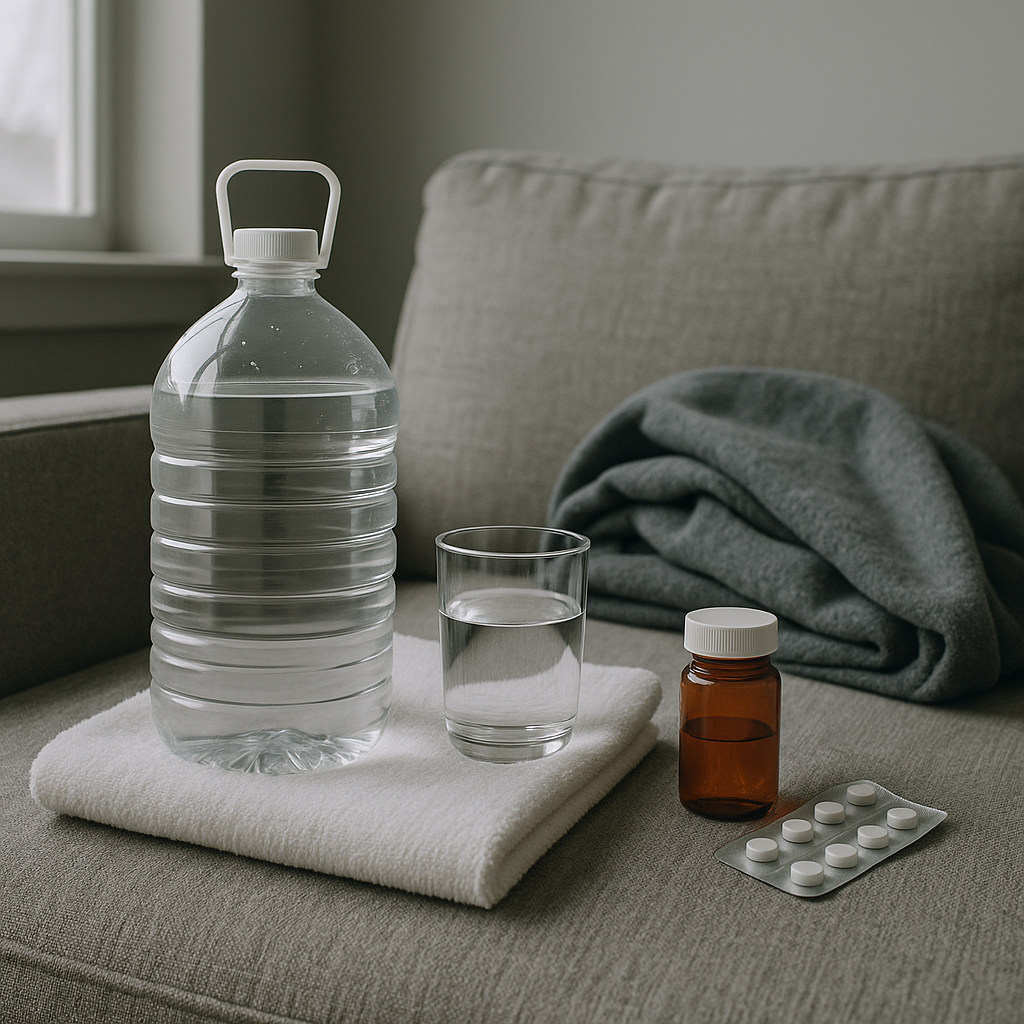
Managing Hydration Routines During Recovery
Overview of Daily Coping Challenges After Severe Truck Accidents
The aftermath of a severe truck accident frequently extends beyond immediate medical concerns, shaping the daily experiences of survivors in complex ways. Among the crucial elements of recovery, managing hydration routines deserves special attention. Hydration impacts nearly every bodily function; for individuals recovering from serious trauma, maintaining optimal hydration supports healing, energy levels, and overall well-being.
However, establishing and maintaining regular hydration routines during recovery introduces a host of challenges. Physical limitations, altered routines, and emotional fluctuations can all play roles in disrupting the balance necessary for adequate fluid intake. The process of recovery is rarely linear, and survivors may encounter a spectrum of both physical and environmental barriers that affect daily coping mechanisms.
Common Daily Difficulties
Following a severe truck accident, individuals often face a variety of daily obstacles that can influence their ability to manage hydration effectively:
– Reduced Mobility: Limited movement due to fractures, surgeries, or use of supportive devices can make accessing water or visiting the kitchen more challenging.
– Medication Side Effects: Pain management drugs and other prescription medications might decrease thirst sensation or cause dry mouth, making it harder to perceive the body’s hydration needs.
– Cognitive Disruptions: Brain injuries or trauma-related stress can affect memory, attention, and organizational skills, leading to forgetfulness regarding drinking water.
– Pain and Discomfort: Persistent pain or post-surgical discomfort can overshadow hydration habits, especially when physical exertion causes fatigue.
– Disrupted Routines: Extended hospitalizations or rehabilitation schedules may alter personal routines, creating confusion about when and how much to drink.
– Limited Social Interaction: Reduced daily interaction with caregivers or support networks may result in fewer reminders about self-care, including hydration.
– Appetite and Sensory Changes: Injury, medications, or emotional distress can diminish appetite or change taste preferences, making water or other fluids less appealing.
These factors can compound the difficulties already associated with the recovery process. The act of simply drinking enough fluids, often taken for granted in daily life, can become an unforeseen hurdle requiring sustained attention.
Practical Coping Systems People Often Use
Individuals recovering from truck accidents have developed a range of practical systems for managing hydration routines, shaped by their specific circumstances and medical needs. These coping systems often emerge organically, reflecting both the challenges of recovery and the inventive ways people adapt:
– Accessible Water Stations: Some survivors place water bottles or cups within easy reach in several rooms, minimizing the need to move frequently and ensuring fluids are never far away.
– Visual Reminders: Many people rely on sticky notes, calendar alerts, or visible markers (such as colored cups) to remind themselves to drink throughout the day.
– Routine Integration: Linking hydration to established daily patterns—such as drinking water after taking medications or with meals—can help reinforce consistency and embed fluid intake within the flow of daily activity.
– Environmental Adjustments: Adjusting room temperature, using straws or spill-proof cups, and selecting preferred beverages can help accommodate physical limitations and personal comfort.
– Support from Others: Family, friends, or caregivers may offer verbal prompts or assist with fluid preparation to compensate for mobility or memory difficulties.
– Sensory Adaptations: Using flavored waters, herbal teas, or adding slices of fruit to water can make drinking more engaging for those experiencing reduced appetite or changes in taste preference.
– Journaling and Tracking: Some individuals keep hydration logs, noting intake amounts or times, which can offer beneficial structure to the recovery day.
The adoption of these practical systems often emerges from a process of experimentation, as individuals learn to adjust their environment and routines in ways that support their unique recovery journey.
How Coping Improves Gradually Over Time
Recovery following a severe truck accident typically unfolds over weeks or months, and the management of hydration routines reflects this gradual improvement. In the early stages, survivors may require substantial assistance with fluid intake—ranging from reminders to physical support—as they contend with pain, fatigue, or cognitive disruption. During this period, even small, consistent actions can contribute to the stabilization of hydration habits.
As recovery progresses, improvements in physical mobility, cognitive clarity, and energy often translate to more independent and sustainable hydration management. Individuals begin to reacquire routines that were present before the accident, and their growing familiarity with personal needs leads to greater self-efficacy. Practical coping systems are refined to suit changing capabilities, and external reminders may become less necessary as intrinsic habits form.
Challenges related to medication side effects or fluctuating appetite may persist, but over time, most people describe an increased awareness of their bodies’ signals for thirst or discomfort. This heightened sensitivity supports more accurate self-regulation, allowing for better hydration management even as the complexity of daily routines returns.
Support networks, whether professional or personal, often adjust the nature of their involvement as survivors recover, providing less direct intervention and more collaborative monitoring. Ultimately, coping with hydration routines tends to evolve into a more intuitive process, characterized by confidence and adaptability, and supported by the gradual stabilization of health and routine.
Neutral Closing Paragraph
Managing hydration routines during recovery represents a nuanced aspect of post-accident life that intertwines physical, cognitive, and environmental factors. Individual experiences will vary widely based on the nature of the injuries, personal habits, and support systems available. As survivors navigate the transition from acute recovery to greater independence, the methods and systems they use to address hydration may shift and evolve. Recognizing the ongoing nature of recovery can contribute to a deeper understanding of both the challenges and strategies associated with maintaining wellness during this critical period.