
Managing Daily Life When You Cannot Lift or Bend
Overview of Daily Coping Challenges After Severe Truck Accidents
Coping with life after a severe truck accident introduces a range of new daily challenges, particularly when injuries make it impossible to lift or bend. Procedures such as spinal fusion, significant back trauma, or extensive soft tissue injuries often set strict limitations on body movement. The resulting restrictions can impact independence, routines, and overall well-being. Recovery is not only about medical treatment but also involves adapting to functional limitations and developing new habits. For many, the journey is shaped by a steady process of learning how to cope when they cannot lift or bend—adjusting expectations, developing new routines, and finding help where needed.
Common Daily Difficulties
Many individuals describe a sudden change in life when faced with restrictions on lifting or bending, especially in the context of recovery. Some of the most frequently mentioned daily challenges include:
– Personal care routines: Activities such as dressing, putting on socks, and bathing often become difficult when bending is restricted.
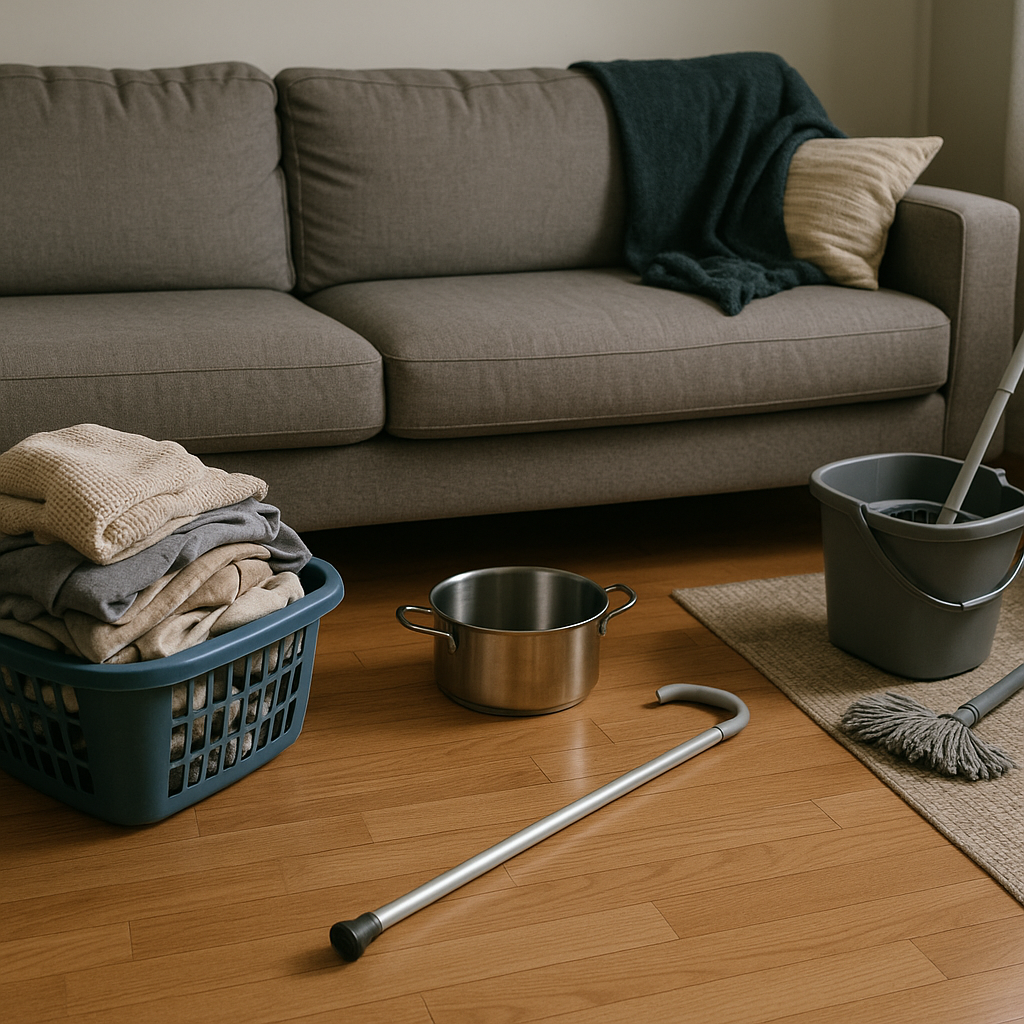
– Household tasks: Carrying laundry, moving groceries, vacuuming, and other chores are often impossible without lifting or bending.
– Mobility: Picking up objects, entering or exiting vehicles, and managing stairs may require extra planning or cause discomfort.
– Caring for children or pets: Tasks like picking up a child or cleaning a litter box can become hazardous or require assistance.
– Work and hobbies: Roles that previously involved physical movement may need to be adapted, paused, or delegated.
– Social interactions: Participating in gatherings, dining out, or even traveling may be challenging without the ability to bend or lift.
– Emotional well-being: Frustration, dependency, and feelings of helplessness can arise from ongoing limitations.
Each challenge is unique and can vary daily as recovery progresses or as different coping methods are developed.
Practical Coping Systems People Often Use
Many individuals describe how they begin to incorporate new systems into their routines to minimize discomfort and maintain independence, all without direct instruction but instead by sharing practical solutions. These coping systems often include:
– Assistive devices: Various tools such as reacher grabbers, sock aids, long-handled shoehorns, and shower chairs are often found in homes where someone cannot lift or bend. These items help perform everyday activities with less strain.
– Task modification: Some people reorganize their living spaces, placing frequently used items at waist level or using lightweight containers. Rearranging furniture or storage can reduce the need for lifting or bending.
– Support networks: Individuals often rely on the assistance of family members, friends, or paid caregivers for more physically demanding chores. Many find that asking for help becomes a regular part of daily life.
– Adaptive strategies: In some households, sitting rather than standing for tasks provides better control and reduces bending. Others describe learning alternative ways to move, such as turning or pivoting rather than bending.
– Routine planning: Some report developing detailed plans for grocery shopping, meal preparation, or self-care—scheduling activities when assistance is available or energy levels are highest.
– Emotional adaptation: Many openly discuss how they manage frustration or feelings of dependency by focusing on small victories or maintaining connections with others facing similar challenges.
– Technology and remote solutions: Utilizing delivery services, online shopping platforms, and smart home devices are frequently adopted to reduce physical strain.
These coping systems are often discovered through personal experience, shared through patient networks, or suggested informally by health professionals or occupational therapists. Over time, many individuals build unique routines that address their particular needs and limitations.
How Coping Improves Gradually Over Time
The experience of coping—when one cannot lift or bend—tends to evolve as recovery progresses following a severe truck accident. At first, individuals can feel overwhelmed by the extent of their limitations and the sudden shift away from familiar routines. During the early stages, reliance on assistive devices, help from others, and adjustments to the home environment often seem necessary at every turn.
However, as the weeks and months pass, many people notice subtle but meaningful improvements that reshape their sense of independence. Muscle strength may return, balance can improve, and adaptive techniques become more automatic. For example, actions that once required significant effort or multiple steps can become more manageable as confidence and physical recovery grow. Individuals also report greater creativity and efficiency in developing workarounds for specific tasks—such as choosing clothing that is easier to put on or learning to pace activities to avoid fatigue.
Additionally, emotional resilience often increases alongside functional gains. Many people recount how their initial frustration or discouragement slowly gives way to a sense of achievement and adaptability. Social supports, whether from family, peer groups, or online communities, tend to become more robust as networks of understanding and encouragement form.
It is also common for individuals to gradually reintegrate old activities in modified forms. For instance, hobbies that involve lifting or bending may be adapted or pursued differently, and many find a renewed appreciation for small milestones in their recovery. This progression is rarely linear—periods of improvement can be punctuated by setbacks or plateaus—but most describe a steady, if gradual, improvement in their capacity to cope.
Neutral Closing Paragraph
Managing daily life when one cannot lift or bend requires significant adaptation and perseverance, especially in the aftermath of a severe truck accident. Each individual’s experience of coping is shaped by a unique combination of challenges, practical solutions, and ongoing adjustments. Over time, many people find that new routines and support systems help them regain a sense of autonomy. The process of adapting offers insight into the resourcefulness people draw upon as they navigate shared difficulties, continuously adapting to circumstances while looking forward to further recovery.