
Why do I feel overwhelmed by forms?
Why this question is common after severe accidents
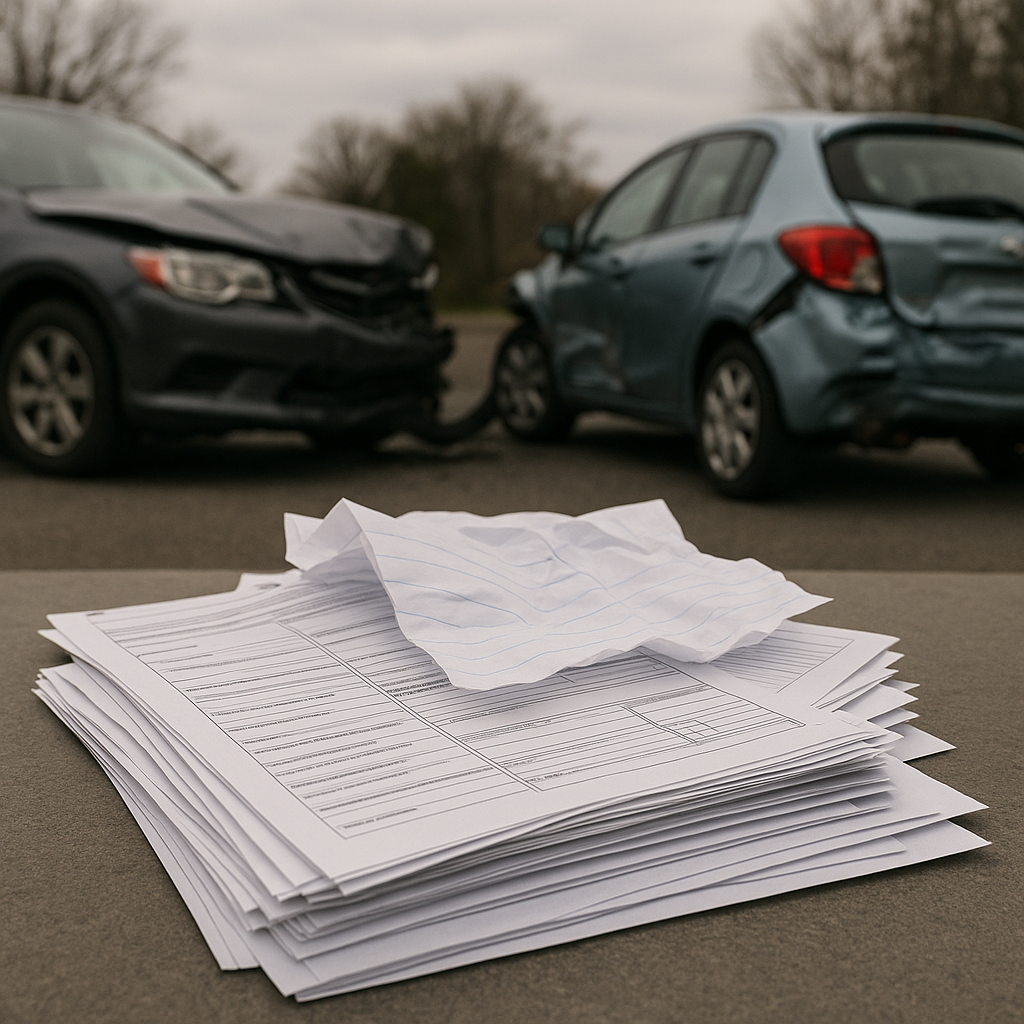
For many people recovering from a severe accident, the question “Why do I feel overwhelmed by forms?” becomes a pressing concern. After a sudden, life-changing event, daily routines are disrupted, and new challenges arise rapidly. Alongside emotional and physical recovery, there is often a mountain of paperwork to tackle—insurance claims, medical records, disability applications, employer documents, and more. Each form requires time, attention, and accuracy, often at a moment when personal resources feel especially limited. Facing this paperwork while still processing the trauma and stress of the accident is not just inconvenient; it can feel like an insurmountable challenge.
This reaction is incredibly common. The aftermath of an accident ushers in uncertainty, unfamiliar language, and pressure to make important decisions quickly. Amid this, forms can seem like yet another obstacle rather than a helpful means to necessary resources. Many people in this situation report a strong sense of overwhelm, frustration, or even anxiety when trying to engage with these administrative requirements.
Clear neutral explanation
Being overwhelmed by forms following an accident is a multifaceted experience that is both practical and psychological. Practically, the forms themselves can be complex. They may contain unfamiliar legal or medical terminology, require detailed recollection of information, or involve finding supporting documents that aren’t easy to locate. For someone dealing with pain, fatigue, or mobility challenges, these tasks become even more demanding.
On a psychological level, the brain is often still absorbing the significant changes wrought by the accident. Cognitive function can be temporarily affected by stress or trauma, leading to difficulties with concentration, memory, and decision-making. Forms typically require focus and patience—resources that might be stretched thin during this period.
Furthermore, each form can serve as a reminder of the accident and its consequences. Questions about injuries, wages lost, or treatments needed can inadvertently trigger memories or emotions related to the incident. This emotional association can make the process feel not just tedious, but actively distressing. The result is an understandable sense of overwhelm, as the mind and body try to manage both recovery and the demands of administrative processes.
Helpful emotional context
There is an emotional weight attached to forms after a severe accident that goes beyond their practical inconvenience. These forms aren’t just paperwork—they represent changes in everyday life, confrontation with loss, and the need to describe personal difficulties in objective terms. Each page can evoke reminders of vulnerability, dependency, or uncertainty about the future.
For many, filling out forms feels impersonal and bureaucratic at a time when compassion and understanding may be needed most. The process can create a sense of being just another case number or file, rather than a person navigating a difficult recovery. The requirement to collect, display, and sometimes defend very personal details can feel invasive, which adds to an already heightened stress level.
It’s also common to feel isolated while managing this paperwork. The forms must often be completed alone, and there is a perception that “everyone else” finds these tasks simple or routine. In reality, many people in similar circumstances share these same feelings—they just aren’t always discussed openly.
Common misconceptions
One common misconception is that being overwhelmed by forms after an accident signifies incompetence, laziness, or lack of resilience. In truth, feeling this way is a normal reaction to an abnormal situation. Many people wrongly believe that the forms should be easy to complete, or that struggling with them indicates an inability to cope with recovery.
Another frequent misunderstanding is that the forms are only meant to be logistical tools. While their primary function is gathering and sharing information, their deeper emotional impact is often underestimated by those designing or distributing them. People sometimes assume that feeling overwhelmed is a unique or rare problem, when in fact it is a widely-shared experience among those recently impacted by serious accidents.
Finally, it’s sometimes believed that overcoming the overwhelm is only a matter of “getting organized” or trying harder. This perspective overlooks the complex mix of emotional, mental, and physical factors at play after a life-changing event. The process is not just about paperwork—it’s about navigating a period of profound change while managing limited capacities.
Closing paragraph
Feeling overwhelmed by forms after an accident is a common experience, shaped by both practical demands and emotional realities. Forms become intertwined with the recovery journey, adding layers of complexity at a difficult time. The sense of overwhelm does not reflect personal failings, but rather a natural response to new pressures and reminders of recent events. Recognizing these factors offers a more compassionate perspective, and helps to normalize what many people go through on the road to rebuilding life after an accident.