
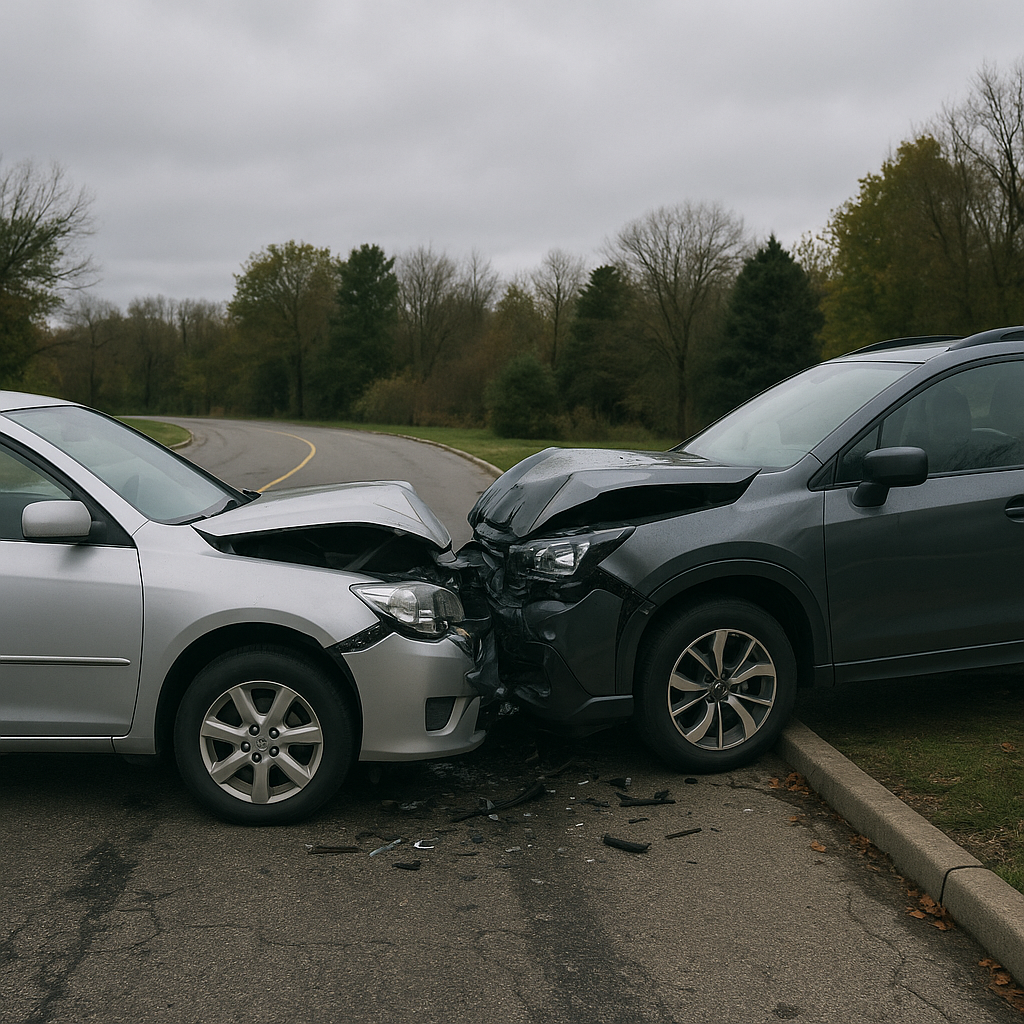
Why Do I Feel Like a Different Person Now?
After experiencing a significant event like a severe accident, it is common to confront a surprising question: “Why do I feel like a different person now?” This consciousness of change can be both unsettling and puzzling. Many people find themselves at a loss for words to describe the shift within themselves after a crash—sensing that something fundamental may be altered. Understanding where such feelings come from and why they are so prevalent can be helpful in making sense of this new reality.
Why This Question Is Common After Severe Accidents
A severe accident is not just a moment of physical trauma—it can also be an intense emotional and psychological event. Afterward, many individuals reflect and notice changes in their reactions, moods, and even interests. The phrase “feel like a different person after crash” appears repeatedly in support groups, online forums, and conversations with professionals. These altered feelings are common because accidents can shake the foundation of daily life and identity.
Several elements make this question so widespread. The suddenness of an accident often interrupts the assumed continuity of experience, creating a sharp “before” and “after” in someone’s personal narrative. Familiar routines, roles, and capabilities might change overnight. People may sense emotional distance from their previous self, or find that once-familiar tasks now feel foreign. In this way, the aftermath of trauma is unique, yet universally shared by many who survive severe crashes.
Clear Neutral Explanation
There are understandable reasons behind the sensation of feeling like a different person after an accident. Physical injury and pain can impact mood, memory, and energy levels. At the same time, traumatic experiences can alter how the brain processes information, sometimes leading to changes in personality, preferences, or emotional expression.
From a psychological perspective, trauma can disrupt the integrated sense of self that is built over time. When someone goes through a life-threatening event, systems in the brain responsible for safety, memory, and emotion can react in ways that weren’t present before. This may present as heightened anxiety, greater caution, or emotional numbness. In some instances, individuals find their interests, priorities, or social behaviors shift.
Additionally, post-accident recovery often involves new routines, medical appointments, and sometimes new limitations. These changes can reinforce the feeling that life, and one’s sense of self, are fundamentally altered. The “person before the accident” and the “person now” may feel distinct, not only due to external changes but also through internal adaptation.
Helpful Emotional Context
Emotionally, this experience is multi-layered. After a significant crash, individuals commonly cycle through feelings such as grief, frustration, anger, confusion, or even relief. It is not unusual to mourn the loss of the “old self” or to feel uncertain about a future that looks different from what was expected.
The emotional context is important because it underpins why the sensation of being a “different person” is so powerful. People may encounter unanticipated difficulties in processing what happened, or in relating to others who have not lived through similar trauma. At the same time, some may notice positive growth—a new outlook on life, deeper relationships, or clearer values—further adding to the sense of change. All of these are valid and can co-exist, adding complexity to the post-accident self.
Common Misconceptions
There are some common misconceptions about feeling like a different person after a crash. One is that these changes are always negative or indicate something is “wrong.” In reality, shifts in personality and behavior are normal responses to interruption, loss, or trauma.
Another misconception is that the feeling of being different should fade quickly or that an unchanged sense of self is a sign of resilience. For many, the sensation lasts for months or years, and adjusting can be an ongoing process.
A further misunderstanding lies in expecting uniformity; no two people experience post-accident changes in exactly the same way. Cultural backgrounds, previous life experiences, and the specifics of the crash itself can shape different outcomes. For some, the disconnect between the old self and new self may decrease over time, while for others, it may become a meaningful part of their identity.
Closing Paragraph
Confronting the question, “Why do I feel like a different person now?” is a natural response after surviving a severe accident. The sensation of being altered—physically, emotionally, or psychologically—can be disorienting, but it emerges from understandable processes. Each person’s experience is unique, and the changes that follow a crash often reflect both personal resilience and the profound impact of trauma. Making sense of this new reality involves recognizing the many factors at play and appreciating that identity is, by nature, continuously evolving.