
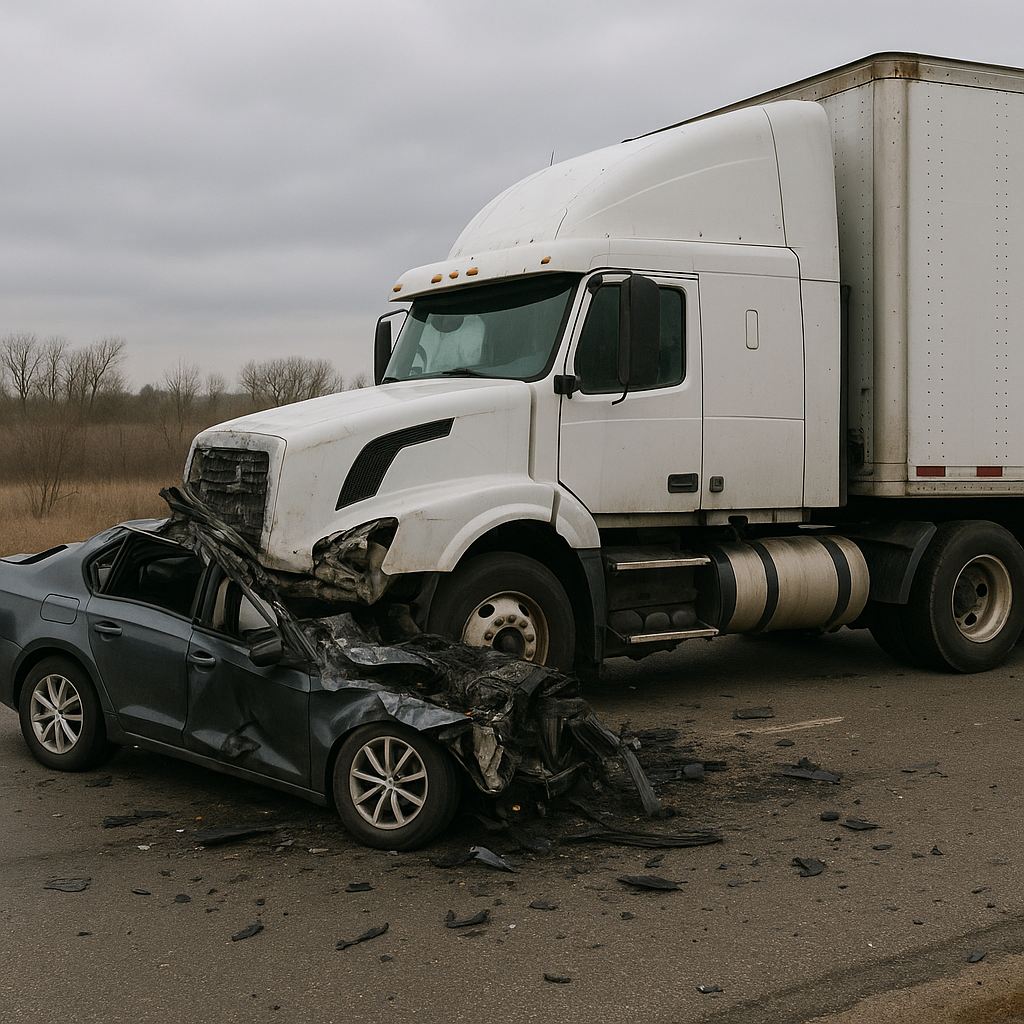
Trauma Response After a Severe Semi Truck Accident
Overview of Shock and Trauma After Truck Accidents
Experiencing a severe semi truck accident can be profoundly unsettling, both physically and emotionally. While survivors may initially focus on any visible injuries, the psychological impact of such an event often reveals itself through a variety of responses commonly described as “trauma” or being “in shock.” These reactions can occur immediately or may develop gradually, sometimes persisting for days, weeks, or even longer after the actual accident.
The trauma response after a semi truck accident is unique to each individual. Some may find themselves constantly replaying what happened, startled by loud noises, or reluctant to drive or be near large vehicles. Others may feel numb, detached, or experience unexpected mood swings. These responses are all part of the wide spectrum of natural human reactions to unexpected, high-stress events.
Why the Body and Mind React This Way
When an individual endures a frightening experience—like a semi truck accident—the body and mind work together to protect them. The initial response is often a surge of adrenaline and stress hormones. This “fight, flight, or freeze” reaction is an evolutionary tool that helps people manage immediate danger.
During and after the incident, the mind may also attempt to process what has occurred. This can involve searching for meaning, replaying the event, or experiencing vivid memories and dreams related to the accident. Such psychological reactions are common responses to trauma, reflecting the mind’s attempt to understand, process, and eventually recover from a distressing experience.
Neuroscience has shown that traumatic events can temporarily disrupt normal patterns of memory, mood, and behavior. This disruption is not a sign of weakness or failure to cope; rather, it is an expected part of how the human brain organizes and manages intense, unexpected experiences.
Common Reactions People Experience
The trauma response after a semi truck accident may include a range of emotional, physical, and cognitive symptoms. Each person responds differently, but some reactions are frequently reported:
– Emotional Responses: Anxiety, fear, sadness, irritability, anger, guilt, or numbness. Individuals may find themselves crying unexpectedly, feeling on edge, or experiencing a sense of helplessness.
– Physical Symptoms: Trouble sleeping, fatigue, headaches, aches and pains, changes in appetite, or an increased heart rate. Some people might feel as though they are constantly “on alert” or may have difficulty concentrating.
– Cognitive Effects: Intrusive thoughts, flashbacks, or nightmares about the accident are not unusual. Concentration may be impaired, and some may find themselves preoccupied with thoughts of safety or the possibility of another accident.
– Behavioral Changes: Avoiding driving or riding in vehicles, steering clear of places that remind them of the accident, or becoming more withdrawn from social interactions.
Young people, the elderly, or individuals with previous experience of trauma may exhibit different patterns of response. Children, for instance, may have behavioral regressions or difficulty expressing their feelings in words.
How These Reactions Can Change Over Time
In the days and weeks following a severe semi truck accident, many people notice that their immediate shock or acute emotional reactions begin to shift. For some, symptoms start to diminish as they gradually feel safer or resume routines. Others may find some reactions lingering or transforming into new challenges, such as persistent worry or cautiousness behind the wheel.
Occasionally, symptoms may seem to fade only to reappear later, sometimes triggered by reminders of the accident or during periods of stress. This is a natural aspect of trauma recovery, as processing difficult events often occurs in waves rather than in a straight line. Many survivors experience a combination of improvement and setbacks before regaining a sense of normalcy.
For a minority, some trauma responses can evolve into ongoing conditions, such as persistent anxiety or recurring intrusive memories. There are various approaches and resources to help individuals manage these experiences, should they find them disruptive or distressing for an extended time.
Closing Reassurance Paragraph
The trauma response to a semi truck accident is a multifaceted and personal journey, marked by an evolving constellation of thoughts, feelings, and behaviors. Each person recovers in their own way and at their own pace. Understanding that these reactions are a predictable and natural part of the aftermath can provide a measure of comfort amid uncertainty. Recognizing and acknowledging the wide range of possible responses is a helpful step toward making sense of the experience, allowing for patience and compassion toward oneself and others along the way.