
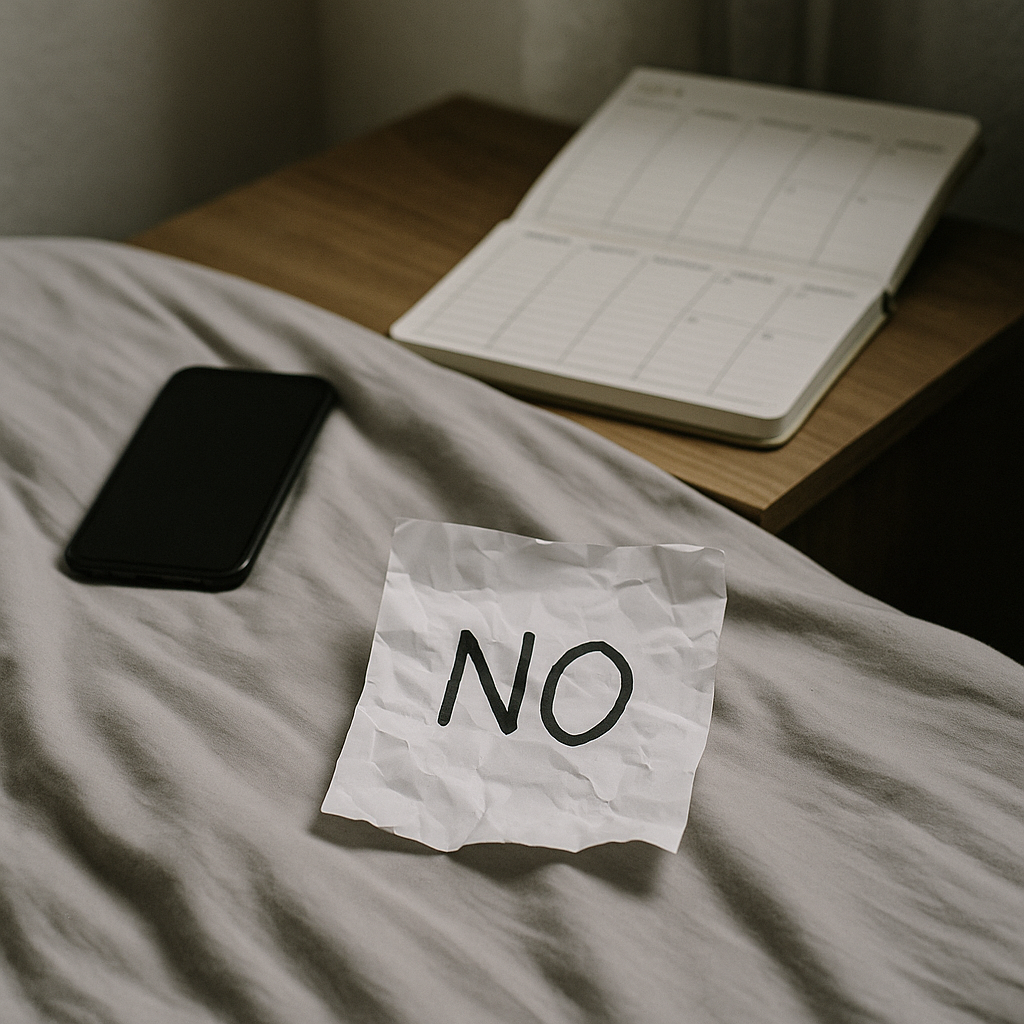
Why Do I Feel Guilty for Saying No to Plans?
Feeling guilty for saying no to plans is a common experience shared by many people around the world. This uncomfortable emotion can arise for a variety of reasons, especially in situations where significant life changes have taken place. Understanding why this feeling appears—particularly after major events such as severe accidents—can provide valuable insight into our emotional landscapes and help clarify what is happening internally when social invitations are declined.
Why This Question Is Common After Severe Accidents
Major accidents frequently have far-reaching effects on a person’s physical and emotional well-being. Recovery often involves not only addressing physical injuries but also managing new limitations, fatigue, or changes in priorities. When someone is healing from a serious accident, the energy they have for social activities can be significantly reduced. Saying no to invitations may become necessary for rest and recuperation.
This change in capacity can trigger feelings of guilt for several reasons. Individuals who were once socially active might feel as if they are letting others down. There can be a sudden awareness of how relationships shift after an accident, as friends or families try to adapt to new circumstances. Questions about maintaining connections or worries about being perceived as unreliable often become more pronounced, making the act of declining plans emotionally charged.
People may also feel a heightened sense of guilt if they sense that others are going out of their way to include them during their recovery. With new vulnerabilities at the forefront, saying no can feel like rejecting support or isolating oneself—intensifying the guilt and making it more difficult to establish personal boundaries, even when those boundaries are essential for healing.
Clear Neutral Explanation
Guilt is a natural human emotion that often arises in response to perceived failures in meeting personal or social expectations. When someone feels guilty for saying no to plans, this emotion typically stems from an internalized belief about what is expected in social relationships.
Social norms and cultural values play a significant role in shaping these beliefs. Many societies place a high value on being agreeable, dependable, and available for friends and loved ones. Failing to meet these expectations—whether real or imagined—can result in a feeling of guilt. Individuals may believe that declining an invitation will disappoint others, weaken bonds, or signal a lack of care or effort.
After significant life events such as a severe accident, these feelings can be amplified by both external and internal pressures. Externally, friends and family may express worry or a desire to help, highlighting the importance of staying connected. Internally, the person recovering may grapple with a changed sense of self and what is now possible for them socially. Adjusting to these changes may mean declining more invitations, further increasing internal conflict and the sensation of guilt.
Helpful Emotional Context
Emotions are complex and often influenced by previous experiences, personal values, and current life circumstances. The feeling of guilt associated with saying no to plans can serve as an indicator of how much someone values relationships and desires connection.
Sometimes, the act of saying no can evoke memories of past interactions or established patterns in relationships. A person might recall times when being available to others was a key part of their identity. After a life-altering accident, adapting to new limitations may feel like losing access to a familiar role within a social group. Guilt can emerge from the tension between wanting to be present for others and needing time for self-care.
Additionally, the emotional discomfort is sometimes made worse by worries about being misunderstood. There may be a fear that others will interpret a polite refusal as rejection or as a sign of disinterest. This emotional context helps explain why the guilt feels so strong and persistent—even when the reasons for saying no are necessary and rational.
Common Misconceptions
Several misconceptions often surround the feeling of guilt for declining plans. One common view is that saying no always damages relationships or disappoints others in meaningful ways. In reality, most people are more understanding and empathetic than we anticipate; the fear of significant social consequences is frequently exaggerated in the mind.
Another misconception is that feeling guilty is proof of wrongdoing or selfishness. On the contrary, guilt is simply a signal of care for others and a desire to maintain strong social ties. It does not necessarily reflect the truth of the situation or the perspectives of those around us.
There’s also the belief that one “should” always make an effort to participate, regardless of personal circumstances. This view does not account for individual needs, health, or changing priorities, especially after major life events. Changing abilities and boundaries are a normal part of human experience, and relationships can adapt to these shifts.
Closing Paragraph
The experience of feeling guilty for saying no to plans is multifaceted and influenced by both societal expectations and personal values, especially in the wake of significant life changes like severe accidents. While this guilt can be uncomfortable, it often signals a strong desire for connection and the importance placed on nurturing relationships. Understanding where this feeling comes from—without judgment—can offer clarity and compassion toward ourselves and others as we navigate changing circumstances and shifting social dynamics.