
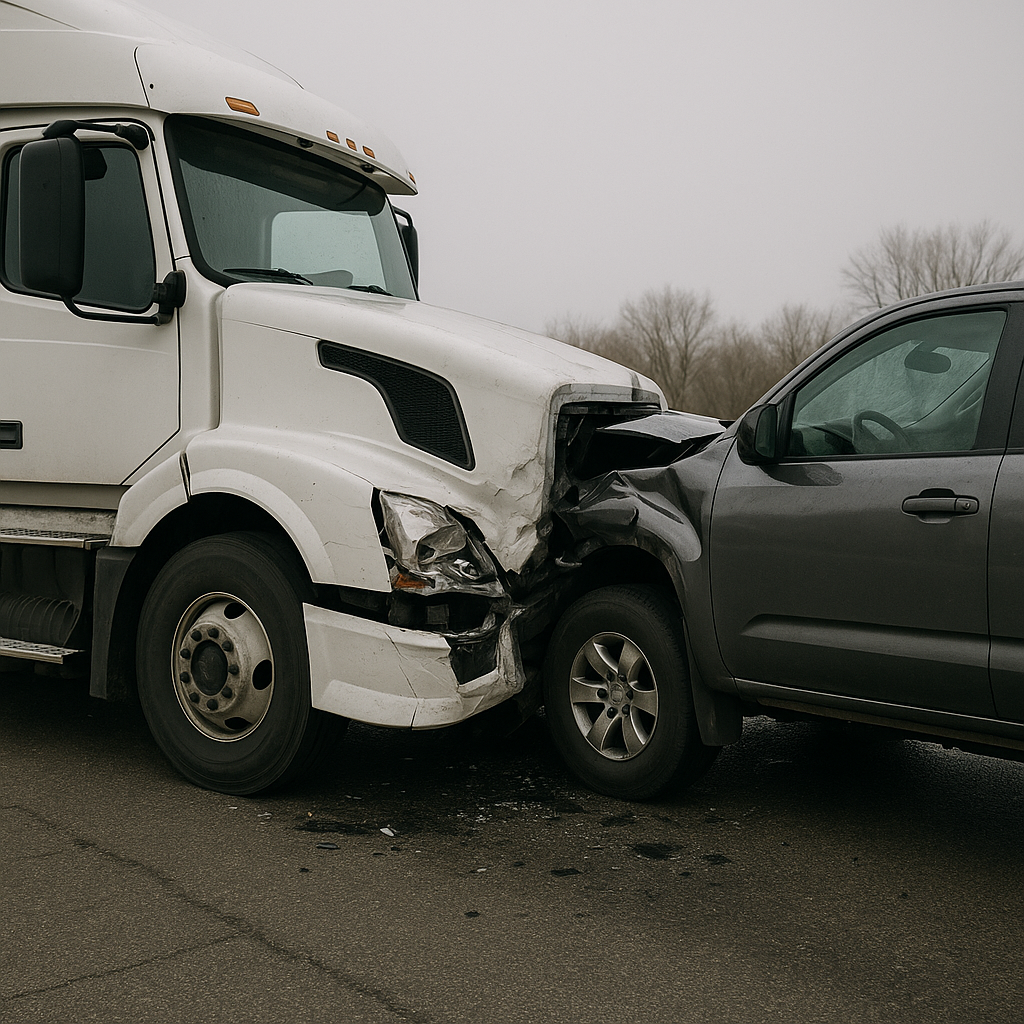
Understanding Acute Stress Response After Truck Accidents
Acute stress responses are natural, immediate reactions that people may experience after traumatic events, such as truck accidents. These incidents can be sudden, intense, and overwhelming, leaving individuals with a mix of emotional, cognitive, and physical symptoms. Understanding how the mind and body respond to this kind of event can provide essential insights into what affected individuals might go through during the hours and days following such an experience.
Overview of Shock and Trauma After Truck Accidents
Encountering a truck accident—whether as a driver, passenger, or even a witness—can be a profoundly distressing event. The sheer size and force involved in truck collisions often amplify the impact, both physically and psychologically. Immediately following the accident, people may describe feeling ‘in shock.’ This state is part of the normal acute stress response. It can manifest as numbness, confusion, or detachment from reality.
This initial shock phase serves as the body’s instinctive way of coping with an unexpected and threatening situation. The term “trauma” in this context refers not just to physical injuries but also to psychological distress. Trauma may develop from a single sudden event, such as a truck accident, and can influence thought patterns, emotions, and behaviors in the aftermath.
Why the Body and Mind React This Way
Human bodies are equipped with a comprehensive stress response system, commonly referred to as the “fight-or-flight” response. When faced with danger—such as the threat posed by a truck accident—the brain sends signals that trigger a sequence of physiological changes. Hormones like adrenaline and cortisol flood the bloodstream, preparing the body to respond to an immediate threat.
Mentally, the brain shifts to a state of hyper-alertness, focusing on survival and safety. This may temporarily suppress other thoughts or emotions, allowing a person to process only the most critical information. This response has evolved as an adaptive mechanism, aiming to increase the chances of survival during life-threatening situations.
Common Reactions People Experience
In the immediate aftermath of a truck accident, individuals may notice a variety of responses. These may include:
– Emotional reactions: feelings of fear, anxiety, sadness, anger, irritability, or feeling numb and detached.
– Physical responses: rapid heartbeat, sweating, shaking, feeling faint, or sensations of cold and clamminess.
– Cognitive symptoms: difficulty concentrating, confusion, intrusive thoughts, trouble remembering the details of the event, or a sense of unreality.
– Behavioral changes: withdrawing from others, being unusually quiet or agitated, difficulty sleeping, or sudden changes in appetite.
Not everyone will experience all of these responses, and the range and severity can vary greatly from person to person. Some individuals may feel emotionally overwhelmed, while others might feel very little at all initially.
How These Reactions Can Change Over Time
The acute stress response typically unfolds over several hours to days after a truck accident. For most, the intensity diminishes as the event becomes more distant. Some people may start to process what happened by thinking about the incident, talking with others, or resuming daily routines.
However, in a smaller number of cases, certain reactions may linger. It is common for sleep patterns to be disrupted or for thoughts of the accident to recur for a period of time. Gradually, these memories may become less distressing, and overall functioning returns to normal. If, over time, distressing symptoms persist or intensify, individuals may be described as experiencing acute stress disorder, which is a more severe, although still often short-term, psychological reaction.
Adjustment periods and coping strategies differ between people. While some individuals find they recover relatively quickly, others may take longer to feel like themselves again. This variance is a normal part of the recovery process and may depend on personal history, the circumstances of the accident, and available support systems.
Closing Reassurance
Experiencing shock, trauma, or acute stress symptoms after a truck accident is a common human reaction to an extraordinary event. These responses reflect the mind and body’s efforts to deal with a sudden and highly stressful situation. Everyone copes with trauma in their own way, and reactions can shift with time. Understanding the nature of these responses can help foster a sense of perspective and patience during recovery, allowing individuals to acknowledge their experiences as valid parts of the healing process.