
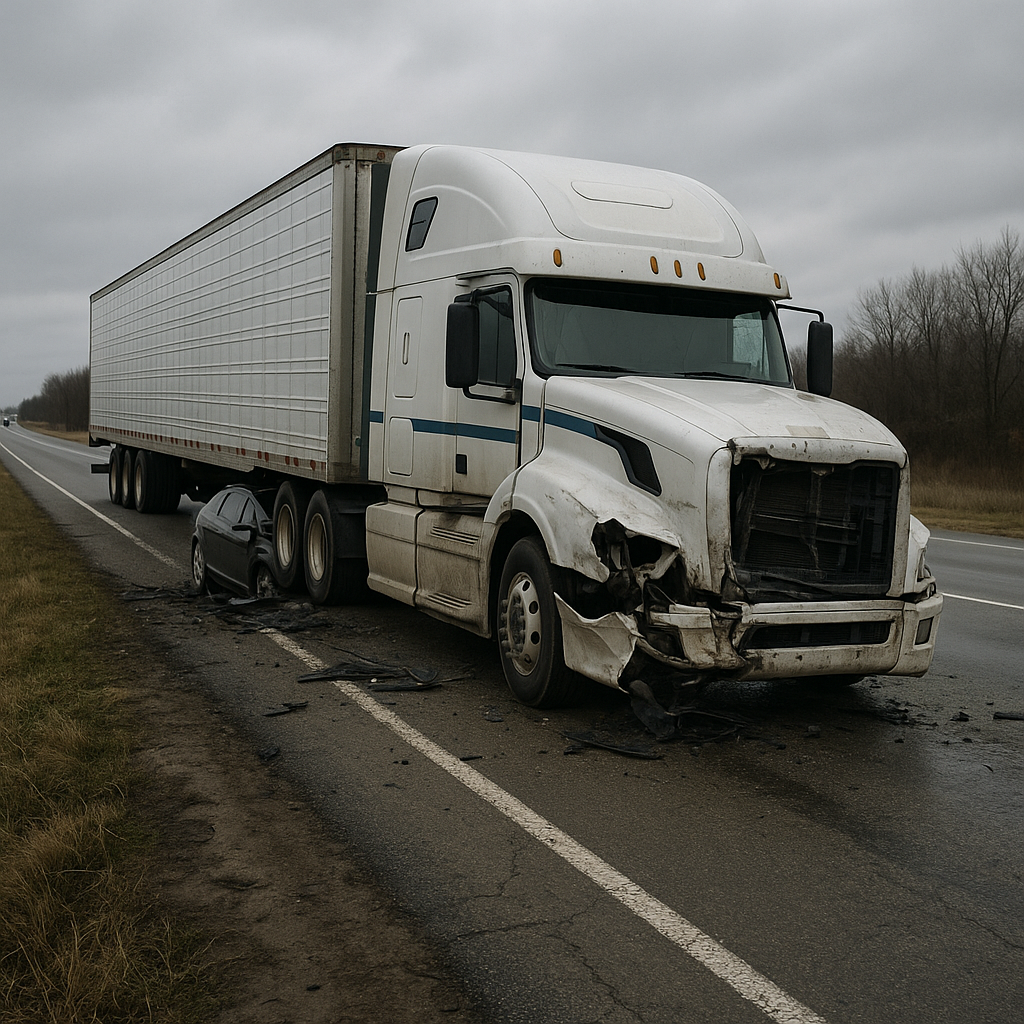
PTSD Concerns After a Semi Truck Crash
When someone experiences a semi truck crash, the immediate focus often revolves around physical injuries, property damage, and logistics. However, for many individuals, the effects of such an event extend far beyond the visible aftermath. Psychological responses, particularly those related to Post-Traumatic Stress Disorder (PTSD), can become a significant concern. Understanding PTSD concerns after a semi truck crash can help individuals, families, and communities approach recovery with compassion and awareness.
Overview of Shock and Trauma After Truck Accidents
A semi truck crash is a sudden, intense event that can disrupt a person’s sense of safety and predictability. The size and force of a semi truck often make these accidents particularly jarring. In the moments following a crash, individuals may experience stunned disbelief, confusion, or a sense of being emotionally overwhelmed. This state is commonly referred to as “shock.”
Trauma, on the other hand, refers to the deeper psychological response that can develop as the mind attempts to process or make sense of the incident. While many people recover from the initial shock in a relatively short period, others may continue to struggle with distressing thoughts, emotions, or physical symptoms long after the event.
It is normal for people involved in a semi truck crash or even witnesses to such an accident to be shaken by the experience. Sometimes, these reactions develop into lingering or persistent symptoms, raising concerns about PTSD.
Why the Body and Mind React This Way
Human beings are wired to respond to danger. The body’s instinctual “fight, flight, or freeze” mechanism is a deeply-rooted survival response that prepares a person to face, avoid, or outlast threats. When faced with a traumatic event such as a semi truck crash, this system activates, releasing stress hormones like adrenaline and cortisol. These chemicals increase alertness, speed up the heart rate, and heighten sensory awareness.
At the same time, the brain strives to process what has happened. Intense or unexpected events can overwhelm the brain’s ability to make sense of them, leading to emotional as well as physical reactions. Some individuals may replay the incident repeatedly in their minds, while others may attempt to block out reminders of the event.
For some, these disruptions resolve as the body and mind recover. For others, the stress response continues, raising the risk of developing PTSD. PTSD concerns after a semi truck crash are not a sign of weakness or failure to cope—they are rooted in the way the human body and mind process adversity.
Common Reactions People Experience
There is a wide range of possible responses following a semi truck crash. These responses can include:
– Physical Symptoms: Fatigue, muscle tension, headaches, changes in appetite or sleep patterns, and increased sensitivity to noise or movement.
– Emotional Reactions: Feelings of fear, sadness, anger, irritability, guilt, or numbness. Some people may experience intense emotions in waves, while others may feel disconnected or emotionally flat.
– Cognitive Changes: Difficulty concentrating, persistent worrying, or intrusive memories of the accident. Flashbacks or recurring dreams related to the crash may also occur.
– Behavioral Changes: Avoidance of places or activities that serve as reminders of the crash, withdrawal from social interactions, or increased reliance on substances such as alcohol or tobacco.
Not everyone will have all of these experiences. Some responses may be mild and fleeting, while others are more intense or linger longer.
How These Reactions Can Change Over Time
In the days and weeks following a semi truck crash, it is common for people to experience varying degrees of distress. For many, these reactions gradually fade as the mind and body regain a sense of safety and control. Support from family and friends, as well as healthy coping strategies, can encourage healing.
However, some individuals may notice that their symptoms persist or intensify over time. Reactions such as insomnia, irritability, persistent fear, or avoidance may remain or worsen, interfering with daily life. In certain cases, these ongoing symptoms may reflect the development of PTSD.
It is also possible for delayed reactions to appear, sometimes surfacing weeks or even months after the initial incident. This can be confusing and may make it unclear whether the reactions are linked to the crash. Such delayed responses are not uncommon and can still be related to trauma processing.
PTSD is one of several potential long-term psychological responses that can develop after a traumatic event. The path toward recovery is individual, and the timeline for change can look different for everyone.
Closing Reassurance
Experiencing emotional and psychological reactions after a semi truck crash is a common and understandable human response. Each person’s journey through the aftermath of such an event is unique, shaped by their personal history, support systems, and individual coping styles. Over time, many people find that their symptoms lessen and they are able to adapt, though some may encounter ongoing challenges. Whatever the trajectory, it is important to recognize that reactions to trauma are complex but natural, reflecting the body and mind’s efforts to recover from a highly stressful experience.