
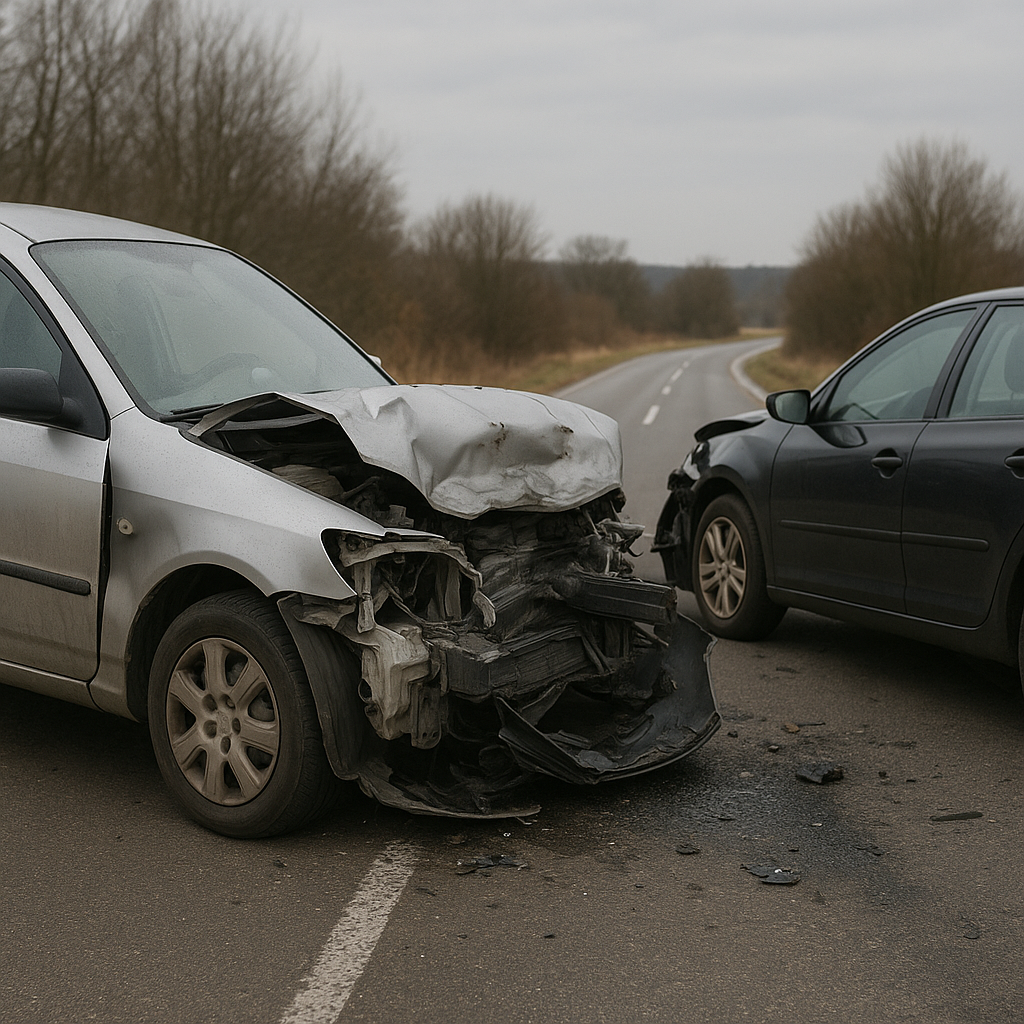
How Trauma Can Create Depersonalization Feelings
Overview of Shock and Trauma After Truck Accidents
Truck accidents can be among the most jarring and distressing experiences anyone might face on the road. The sheer scale, sound, and impact associated with these incidents often leave a profound impression. In the immediate aftermath, both physical safety and emotional stability are put to the test.
One reaction sometimes observed following such traumatic events is depersonalization—a sensation of being detached from one’s body or emotions, almost as if observing oneself from an outside perspective. This phenomenon, though unsettling, is not uncommon. People may describe feeling numb, robotic, or as if everything is unreal. It’s important to recognize that these reactions are part of the body and mind’s complex response to shock and trauma after high-impact incidents like truck accidents.
While physical injuries are often prioritized in medical care, emotional and psychological responses such as depersonalization deserve attention and understanding. Recognizing these feelings as possible and sometimes expected can help reduce the fear and confusion they may cause.
Why the Body and Mind React This Way
The body and mind are equipped with instinctive defense mechanisms intended to protect an individual from overwhelming distress, particularly during and after traumatic events like a truck crash. When faced with danger, the body’s “fight-or-flight” system surges into action, flooding the system with adrenaline and other stress hormones.
Depersonalization after a crash can occur as a part of this natural response. In these moments, the individual might feel disconnected from the present, almost as if watching events unfold in a movie rather than experiencing them directly. This sense of separation can help the mind shield itself from the full force of traumatic memories and emotions, even if temporarily.
Common Reactions People Experience
In addition to depersonalization, people who have survived traumatic incidents like truck accidents may experience a range of emotional and psychological reactions. These can include:
– Confusion: Moments of disorientation, trouble remembering specific details about the incident, or feeling uncertain about what just occurred.
– Emotional Numbness: Difficulty feeling or expressing emotions immediately following the incident.
– Derealization: A sense that surroundings are unreal, foggy, or distorted, closely related to depersonalization.
– Hypervigilance: Feeling jumpy, easily startled, or excessively alert to potential danger, sometimes accompanied by rapid heartbeat or sweating.
– Intrusive Thoughts: Unwanted memories or flashbacks that replay the event.
– Avoidant Behaviors: Steering clear of reminders of the accident, such as driving past the crash site or avoiding conversations about the event.
These reactions are not signs of personal weakness or failure. Instead, they reflect the body and mind’s genuine efforts to process and recover from a stressful ordeal.
How These Reactions Can Change Over Time
Immediately after a truck accident, depersonalization and related symptoms may be prominent. For some, these sensations might last only a few hours, fading as the initial shock wears off. For others, these feelings can linger for days, weeks, or even longer, fluctuating in intensity.
Over time, many individuals find that these sensations diminish as they begin to process what happened, talk through their experiences, or regain a sense of routine. In some cases, reminders of the accident might briefly bring back depersonalization feelings, such as hearing loud noises that echo the sounds of the crash or returning to the scene of the incident. Gradually, as the mind better understands and integrates the event, these episodes often become less frequent and less intense.
However, for a smaller number of people, depersonalization can persist or be triggered by other stressors in the future. Ongoing stress, lack of sleep, or continued exposure to reminders of the accident can influence how these reactions evolve. Understanding that the healing process is different for everyone is an important part of compassionate self-care.
Closing Reassurance
Experiencing depersonalization after a crash, and the range of emotions that can accompany traumatic incidents, is a common and valid response. These feelings are among the mind’s ways of coping with extraordinary events, and while they can be confusing or even frightening, they do not necessarily reflect ongoing psychological harm.
Everyone’s recovery journey has its pace, influenced by individual life histories, circumstances, and support systems. Noticing and acknowledging these reactions is a meaningful step toward understanding the profound impact that trauma can have on both body and mind. In time, many people find that these feelings recede, allowing for a return to a greater sense of normalcy and presence in daily life.