
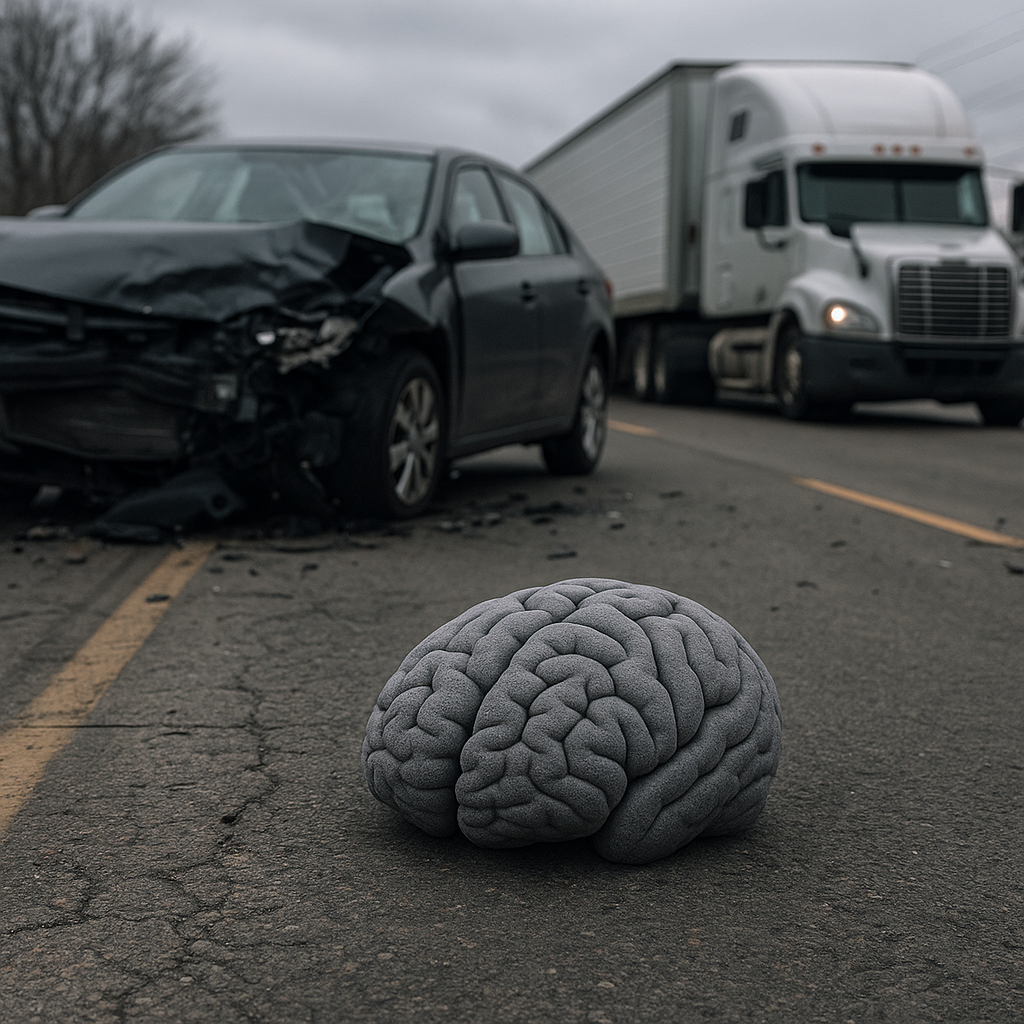
How Trauma Affects Memory After Truck Accidents
Truck accidents are unique in their suddenness and severity, often causing both physical and psychological injury. Among the many effects of such incidents, one that is frequently reported but not always understood is the disruption of memory. The way trauma affects memory after a truck accident can be confusing and sometimes distressing. Understanding these trauma memory effects is an important step in recognizing the natural responses individuals might have in the aftermath of a significant event.
Overview of Shock and Trauma After Truck Accidents
Immediately following a truck accident, people often experience shock—a state where both body and mind struggle to process what has just occurred. This response is a normal reaction to an abnormal situation. While shock initially serves to shield an individual from the full impact of the event, it also marks the beginning of psychological trauma.
Trauma after a truck accident can take many forms, including acute stress, confusion, numbness, and fear. These are not signs of weakness but typical human responses aimed at protecting oneself during and after an overwhelming incident. When it comes to memory, trauma can create noticeable gaps, distortions, or troubling flashbacks. The complexity of truck accidents—often involving noise, force, and unexpected danger—can amplify these trauma memory effects.
Why the Body and Mind React This Way
The relationship between trauma and memory is rooted in human biology. During a truck accident, the body’s stress response activates, releasing hormones like cortisol and adrenaline. These chemicals generate a state of high alertness, directing focus toward immediate survival priorities. The simultaneous flood of sensory information can overwhelm brain regions responsible for accurately encoding and storing memories.
The Role of the Brain in Memory Formation
Several brain structures work together to process memory, but trauma can disrupt their functions. The amygdala triggers a fear response, the hippocampus organizes and stores short-term and long-term memories, and the prefrontal cortex helps with reasoning and decision-making. If any of these systems are overwhelmed or disrupted, memories can become jumbled, incomplete, or entirely missing for certain periods.
Memory formation during trauma often follows two patterns: enhanced memories for certain details, and gaps or distortions for others. For example, a person might vividly remember the sound of screeching brakes but be unable to recall the moments just after the crash. This selective memory is a result of both psychological defense mechanisms and physiological changes in the brain’s chemistry.
Common Reactions People Experience
Following a truck accident, individuals may notice a variety of memory-related reactions:
– Partial or Complete Memory Gaps: Sometimes, a person cannot recall the moments before, during, or immediately after the accident. This phenomenon is known as dissociative amnesia and serves to protect the mind from extreme stress.
– Flashbulb Memories: Certain vivid, detailed memories may remain intensely clear—such as a horn blaring or a unique visual scene right before impact. These “flashbulb” memories are often emotionally charged.
– Fragmented Reminiscence: Recollections may appear as scattered fragments rather than a continuous narrative, making it hard to piece together the sequence of events.
– Intrusive Flashbacks: Some memories may return involuntarily and feel as if the event is happening again, which can be distressing and startling.
– Difficulty Retrieving Words or Details: People might find it hard to recall specific facts, names, or the order in which things happened.
These trauma memory effects are not deliberate or under conscious control. They arise from the body and mind’s instinctive efforts to cope with or contain overwhelming experiences.
How These Reactions Can Change Over Time
The immediate aftermath of a truck accident is often marked by acute symptoms, but the nature of these memory disruptions can shift as time passes.
– Recovery of Lost Memories: Sometimes, memories that were initially inaccessible become clearer days, weeks, or even months later. This can happen as the brain processes and integrates the experience.
– Reduction or Increase in Flashbacks: For some, intrusive flashbacks become less frequent and less intense as time goes on; for others, stress or advice against discussing the incident can prolong these episodes.
– Changes in Emotional Response: Memories that were once distressing might gradually become less emotionally charged, while others remain sensitive.
– Memory Reconstruction: Over time, individuals may attempt to fill in memory gaps by piecing together information from others or from their own imagination. This process is natural but can sometimes introduce inaccuracies.
Trauma can cause both short-term and long-term memory effects, and every individual’s experience is unique. The evolution of these memory patterns depends on various factors, including the degree of emotional impact, the availability of support, and personal coping mechanisms.
Closing Reassurance Paragraph
Experiencing memory changes after a truck accident is a common and understandable response to trauma. While these trauma memory effects can be unsettling, they reflect the intricate ways the mind and body work together in challenging circumstances. Over time, the nature of these recollections may evolve, and the intensity of reactions may diminish. Recognizing memory disruptions as a natural part of recovery can be helpful for those affected, and making space for patience with oneself during this process is an important aspect of healing.