
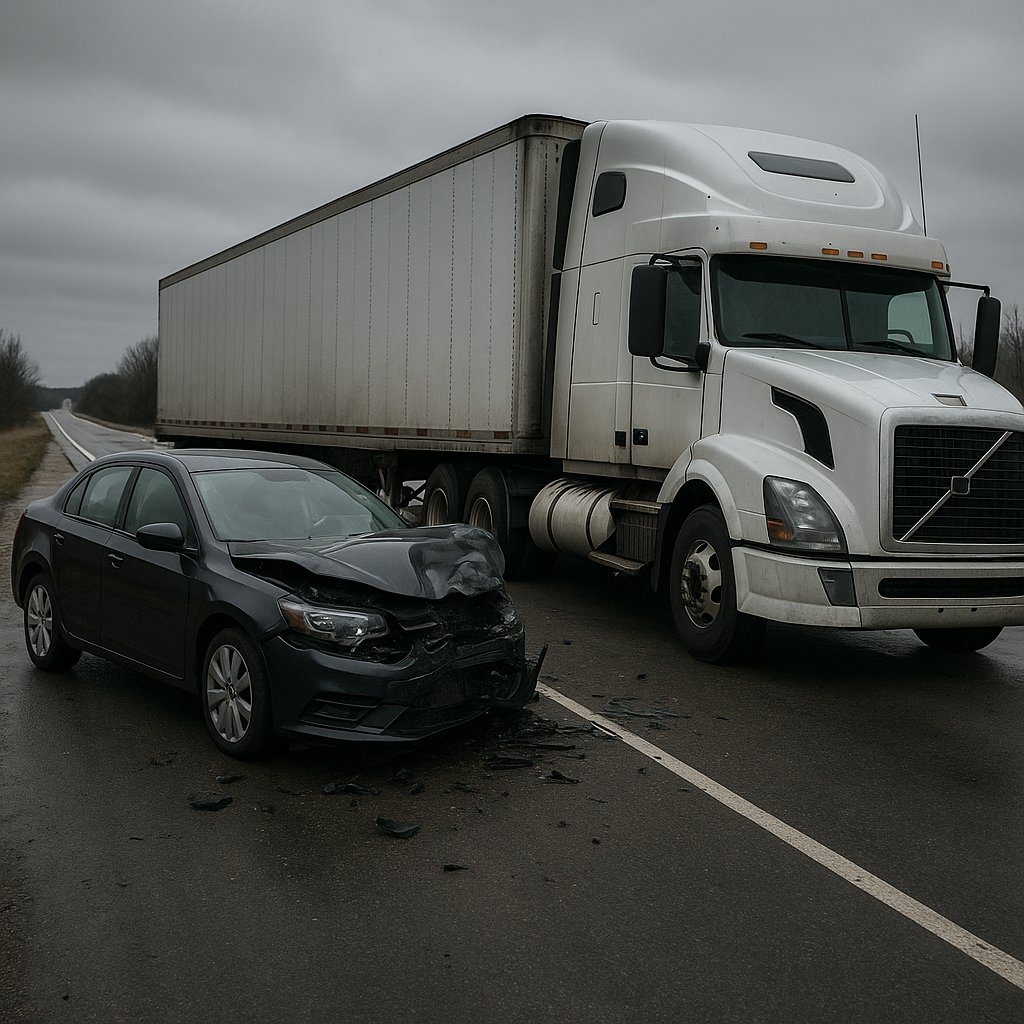
Delayed Shock Symptoms After a Semi Truck Accident
Overview of Shock and Trauma After Truck Accidents
Being involved in a semi truck accident is a profoundly distressing event. Even if physical injuries seem minor or absent, the psychological impact can be significant and may not manifest immediately. “Delayed shock symptoms” is a term often used to describe the physiological and emotional responses that surface hours or even days after the incident. These reactions can be particularly common in accidents involving large vehicles like semi trucks, due to the sheer magnitude of the event and the sudden interruption to a person’s normal routine.
Shock, in this context, refers not only to a medical emergency involving circulatory failure, but also to the body’s general response to traumatic situations. After a truck accident, many people initially feel dazed or numb. This state often serves as a natural buffer to overwhelming feelings or pain, allowing those involved to handle the immediate aftermath. However, as the initial adrenaline rush fades, various symptoms may unfold. Understanding these delayed shock symptoms, especially after an encounter with a semi truck, is essential for dealing with the aftermath in an informed and compassionate way.
Why the Body and Mind React This Way
When exposed to a traumatic event such as a truck accident, the body automatically triggers protective mechanisms. The “fight, flight, or freeze” response produces a surge of hormones such as adrenaline and cortisol, designed to help a person survive danger. Physically, this may lead to increased heart rate, heightened senses, and a temporary reduction in pain awareness. Emotionally, individuals might feel detached or go into autopilot, able to focus only on immediate necessities.
Once the perceived threat passes, the body begins to adjust. The heightened alertness wanes, and individuals may start to process the magnitude of what happened. Sometimes, the mind postpones confronting the emotional fallout, which is why delayed shock symptoms are common after such incidents. These delayed responses can appear unexpectedly, anywhere from hours to days after the accident, and may vary greatly in their intensity or presentation.
Common Reactions People Experience
Delayed shock symptoms after a semi truck accident can take many forms, affecting both mind and body. Some people may find themselves with physical symptoms such as dizziness, headaches, lingering fatigue, or unexplained aches. Others may notice emotional and mental changes—feelings of anxiety, sadness, irritability, or numbness. Sleep disturbances are also frequent, including difficulty falling asleep or sudden nightmares connected to the accident, even if the details are unclear.
It is also not uncommon for individuals to have trouble concentrating or to find their memory temporarily affected, particularly regarding the accident itself. Fluctuations in appetite or gastrointestinal discomfort may occur as well. These reactions can be confusing, especially when they show up after a period of feeling “fine” in the direct aftermath.
In some cases, a person may notice more distinct symptoms, such as jumpiness at certain noises, increased sensitivity to routine stressors, or a sense of detachment from normal activities. Emotional withdrawal—such as feeling isolated from loved ones or less interested in daily life—may also occur. These are all recognized responses as the mind and body attempt to process an extraordinary experience.
How These Reactions Can Change Over Time
The timeline for shock symptoms is unique to each person and situation. In the immediate wake of a semi truck accident, numbness or an energized “survival mode” is common. Delayed symptoms often set in when the immediate responsibilities—exchanging information, dealing with authorities, contacting loved ones—have been handled, and there is space to reflect on what occurred.
Over time, many of these reactions gradually ease. A sense of normalcy may return within a few days or weeks as the body’s stress systems reset and the mind starts to come to terms with the event. For some, however, certain symptoms may linger or even intensify. Factors such as previous experiences, the level of support received, and the severity of the accident can all influence how long shock symptoms last and how they evolve.
Some individuals may continue to experience reminders of the incident when passing the location of the accident, seeing similar vehicles, or encountering loud noises. Others notice improvement as they resume regular routines and talk about their experiences in safe environments. There is no single “correct” way to react, and the pace of recovery can differ widely.
Closing Reassurance Paragraph
Experiencing delayed shock symptoms after a semi truck accident is a recognized and understandable response to an overwhelming event. These reactions do not reflect personal weakness or failure to cope; rather, they are a natural part of how the human mind and body work to process extraordinary circumstances. While these symptoms can be unsettling, they typically change with time as the sense of safety is gradually restored. Every individual’s journey through recovery is unique, and it is common for reactions to shift and diminish as life regains its routine rhythm.