
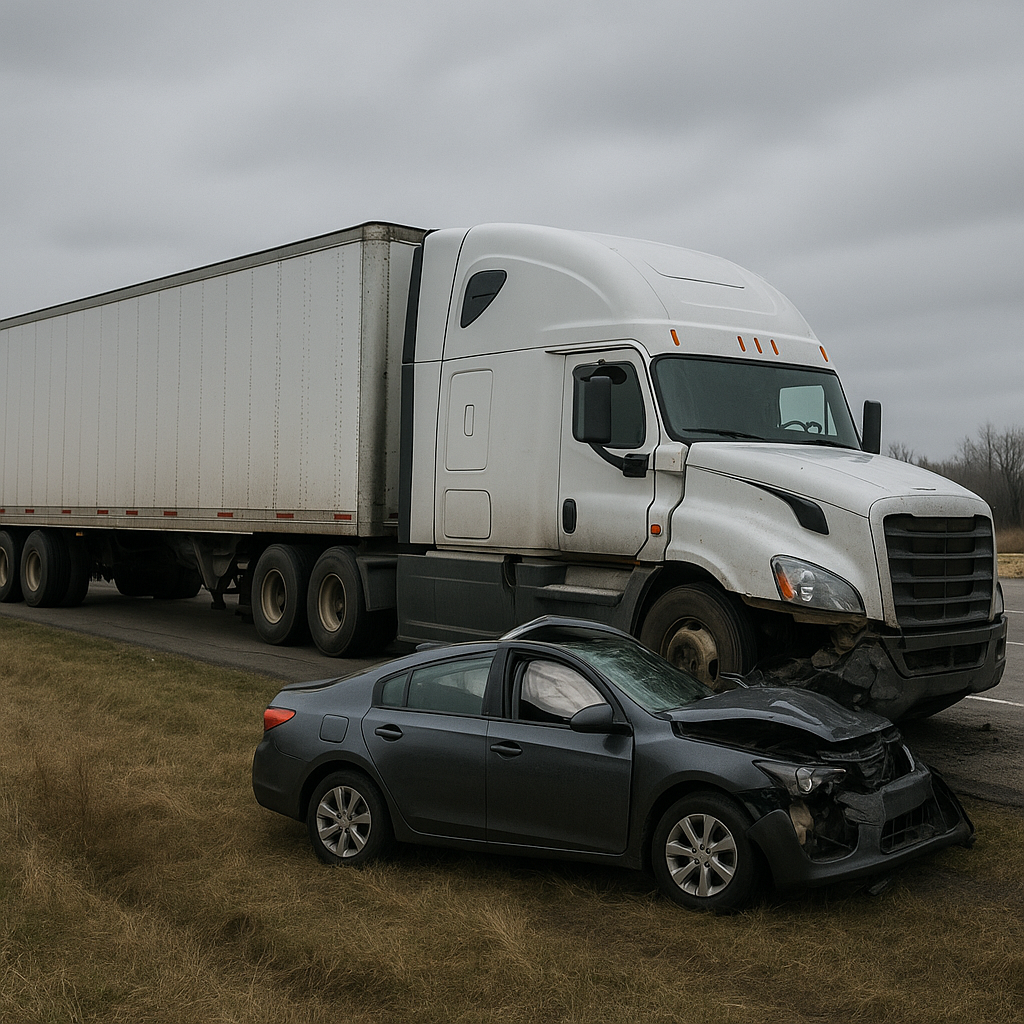
Delayed Emotional Reaction After a Semi Truck Crash
Overview of Shock and Trauma After Truck Accidents
Experiencing a semi truck crash can be a deeply unsettling event. The sheer size and impact of semi trucks often bring a heightened sense of danger, making these accidents particularly stressful. Frequently, people expect to feel shaken or upset immediately after such an event. However, emotional responses do not always appear right away. It’s common for individuals to experience a delayed emotional reaction after a semi truck crash, as the mind and body cope with the overwhelming nature of the experience.
In the moments following a crash, many people report feeling “numb,” confused, or strangely calm, even if the incident was dramatic or frightening. Others may feel detached from their own emotions or surroundings, a state often referred to as shock. This phase can be brief, or it may last for hours, days, or even weeks. Such delays in emotional response are a natural part of how humans process trauma, and they occur for a variety of reasons rooted deeply in both psychological and physiological responses to stress.
Why the Body and Mind React This Way
When confronted with an unexpected or overwhelming event, the human body and mind deploy a series of protective mechanisms. These mechanisms are designed to enhance survival in the immediate aftermath of danger, such as a serious motor vehicle accident. The “fight-or-flight” response is one such mechanism, releasing a surge of stress hormones like adrenaline and cortisol. These hormones prepare the body to deal with threats physically or to escape from danger.
At the same time, the brain may also attempt to shield itself from emotional overload. Intense emotions—fear, sadness, anger, or panic—can be temporarily suppressed or postponed. This psychological “freeze” response, sometimes called emotional numbing or dissociation, helps a person focus on safety and practical needs in the moment rather than being overwhelmed by distress. These reactions are not signs of weakness or avoidance; rather, they are normal human responses to highly stressful circumstances.
Common Reactions People Experience
The range of emotional reactions after a semi truck crash varies widely between individuals. Factors such as previous experiences, personality, support systems, and the specific circumstances of the crash all influence how someone might feel. Commonly reported reactions include:
– Shock or numbness: A sense of detachment from reality or one’s own feelings is very typical shortly after a crash. Things may feel “unreal,” or it may seem difficult to process what has happened.
– Delayed fear or anxiety: Anxiety, panic, or fearfulness may not appear right away. For some, these feelings may surface after the initial shock has faded, sometimes days or weeks later.
– Sadness or depression: Feelings of hopelessness or sadness may be delayed, especially if at first the focus is on handling practical matters such as vehicle repairs or insurance.
– Irritability or anger: Sometimes, intense frustration or anger begins to surface over time, often triggered by reminders of the event or ongoing stressors related to the accident.
– Sleep disturbances: Trouble sleeping or nightmares may occur, even if these symptoms do not begin immediately.
– Physical symptoms: Headaches, stomachaches, or fatigue can be connected to emotional stress, and these sometimes emerge after the initial shock period.
– Avoidance or withdrawal: People may begin avoiding driving, certain locations, or conversations about the crash as delayed worry or distress appears.
It is important to note that these responses vary significantly from person to person. Some may experience mainly physical symptoms with less emotional distress, while others might have the opposite pattern. All of these reactions, however, are well within the range of normal responses to traumatic events.
How These Reactions Can Change Over Time
Emotional and psychological reactions to a semi truck crash are rarely static; they often change and evolve over time. In the immediate aftermath, a person may focus on logistics—contacting family, speaking to emergency services, and dealing with insurance. During this time, emotional reactions may be muted or absent as the focus remains on practical matters.
As days or weeks pass, the mind may begin to process what has occurred. For some, this is the time when delayed emotional reactions to the semi truck crash become more pronounced. Emotional pain, distress, or confusion may surface seemingly out of nowhere, often triggered by reminders of the accident—such as seeing large trucks, hearing loud noises, or driving near the crash site. This is a natural part of the brain’s attempt to make sense of the event and regain a sense of safety.
For most people, these reactions gradually lessen over time as the event is integrated into their larger life story. Some may recover fully, finding that reminders of the event no longer bring emotional distress. For others, certain feelings or reactions may linger longer but tend to diminish in intensity as well.
Occasionally, emotional responses may persist or create ongoing challenges in daily life. These might include persistent anxiety, difficulty driving, or continued avoidance of certain situations. While this is less common, it is still a recognized response to traumatic events, especially those involving serious accidents.
Closing Reassurance Paragraph
Understanding the possibility of a delayed emotional reaction after a semi truck crash can help bring some clarity during what may feel like an unpredictable time. Emotional responses to trauma are highly individual and may arise in their own time and way. While it is common to expect immediate reactions, the absence or delay of emotional distress is a normal response, shaped by the body’s and mind’s instinctive efforts to protect and cope. Recognizing the broad spectrum of potential feelings and changes is an important step in acknowledging the impact of a traumatic event and in allowing the process of recovery to unfold naturally.