
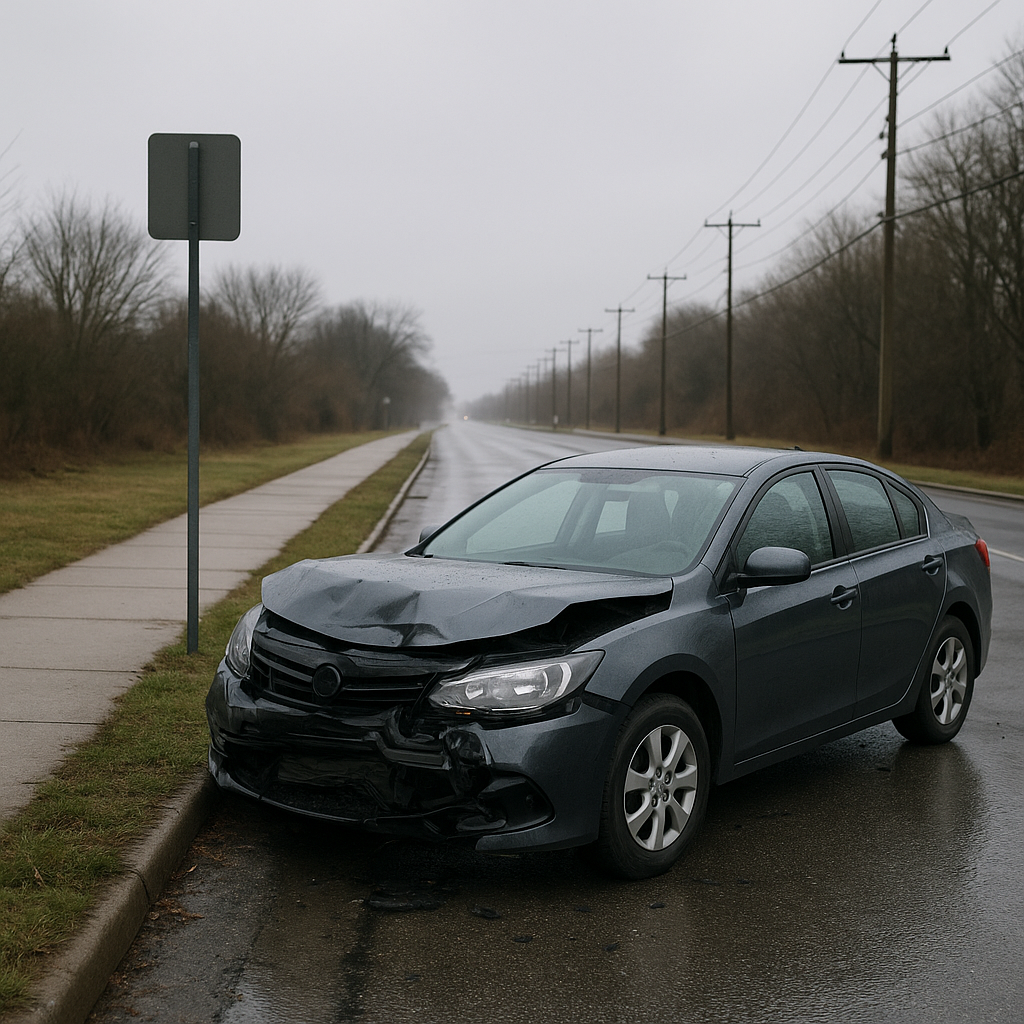
Daily Coping Without Access to a Car After a Crash
Overview of Daily Coping Challenges After Severe Truck Accidents
For many individuals, daily routines revolve around reliable personal transportation. After a severe truck accident, especially one that leaves a car unusable for an extended period, daily life is abruptly altered. Coping without a car after a crash prompts new logistical obstacles, emotional responses, and practical adjustments. The sudden absence of a personal vehicle can intensify stress, disrupt work-life balance, limit access to essential resources, and amplify feelings of vulnerability. Understanding these coping mechanisms as they unfold sheds light on the resilience individuals develop, as well as the complex challenges they face in the aftermath.
Common Daily Difficulties
The abrupt shift to coping without a car after a crash can affect virtually every aspect of life. Individuals often experience a mosaic of intertwined difficulties, including:
– Reduced Mobility: Limited ability to go to work, medical appointments, school, grocery stores, or social engagements.
– Increased Time Commitments: Longer travel times due to reliance on public transport, rides from others, or non-motorized travel.
– Logistical Obstacles: Challenges synchronizing schedules with friends, family, or public transit timetables.
– Financial Strain: Extra expenses for alternative transportation modes, such as ridesharing, taxis, or vehicle rentals.
– Dependence on Others: Reliance on friends, family, or community networks for routine tasks and transportation, which can affect self-esteem and privacy.
– Loss of Independence: Difficulty maintaining autonomy when errands or activities are dictated by others’ availability or transport schedules.
– Social Isolation: Reduced participation in social or community activities due to mobility barriers.
– Interrupted Routines: Disorganization or missed obligations when prior habits become impractical or impossible.
– Transportation Accessibility Issues: Difficulty accessing equitable and reliable alternatives, especially in areas with limited public transit infrastructure.
– Emotional and Psychological Effects: Heightened stress, frustration, anxiety, or even embarrassment as a result of restricted freedom and disrupted routines.
Practical Coping Systems People Often Use
Individuals impacted by a sudden loss of transportation develop diverse coping systems to navigate daily life. While not every method fits all circumstances, collective experience reveals several widely used strategies:
Utilization of Public Transit: Many people shift to local bus, rail, or subway services, exploring routes and schedules to cover essential journeys. Adapting to these schedules can be challenging, but some find unfamiliar autonomy or convenience in transit services.
Community and Social Networks: Turning to family, friends, coworkers, or neighbors for rides reflects the importance of social support. Informal ride-sharing agreements or carpooling arrangements emerge as necessary adaptations when independent travel is no longer possible.
Ridesharing and Taxi Services: Digital platforms and traditional taxi services gain new relevance, offering flexible solutions for maintaining vital appointments or work deadlines despite significant costs.
Non-Motorized Transportation: Whenever feasible, walking or cycling replaces short commutes. Some acquire or borrow bicycles, while others find a surprising sense of accomplishment in covering daily distances without a vehicle.
Errand Consolidation: Planning errands to coincide with a single outing, or grouping tasks geographically, minimizes the number of trips required. Some develop detailed schedules to optimize the time and energy spent on tasks like shopping or appointments.
Change in Work or Activity Patterns: Remote work, telecommuting, or flexible scheduling options become practical for those whose employers allow these adaptations. Some reduce extracurricular activities, modify social engagement plans, or prioritize obligations based on transportation constraints.
Resource Mapping and Community Programs: People often seek information about local shuttle services, paratransit, volunteer driver programs, or nonprofit initiatives designed to assist individuals coping without a car after a crash. Awareness of these resources can expand available options.
Adaptive Emotional Responses: Many cultivate patience, adaptability, or mindfulness practices to cope with frustration and uncertainty. Emotional adaptation—though sometimes overlooked—is a core element in building resilience during this transitional phase.
How Coping Improves Gradually Over Time
Adapting to daily coping without a car after a crash often unfolds in stages. Initial disruption is commonly followed by a period of experimentation with various transportation alternatives. Over time, as practical systems, new routines, and supportive networks are established, the process of adjustment tends to become more manageable.
Gradual improvements arise from increased familiarity with public transit routes or local ridesharing options. Major barriers, such as logistical confusion or emotional distress, often diminish as individuals become comfortable with alternative arrangements. For some, these adaptations foster unexpected benefits, like increased community interaction or improved physical health through walking or cycling.
Confidence in handling daily logistics typically grows with experience, and people often reconstruct a sense of autonomy—even if it’s achieved through new means. As frustration lessens and efficiency grows, the persistent anxiety associated with major life disruptions gives way to a new normal, marked by resourcefulness and self-reliance.
Neutral Closing Paragraph
Coping without a car after a crash challenges ingrained habits and highlights the intricate relationship between mobility and daily life. The process reveals a range of practical and emotional adjustments as individuals navigate new routines and transportation systems. Although the initial impact often involves significant hurdles, gradual adaptation and community support demonstrate the potential for resilience in the face of unexpected circumstances.