
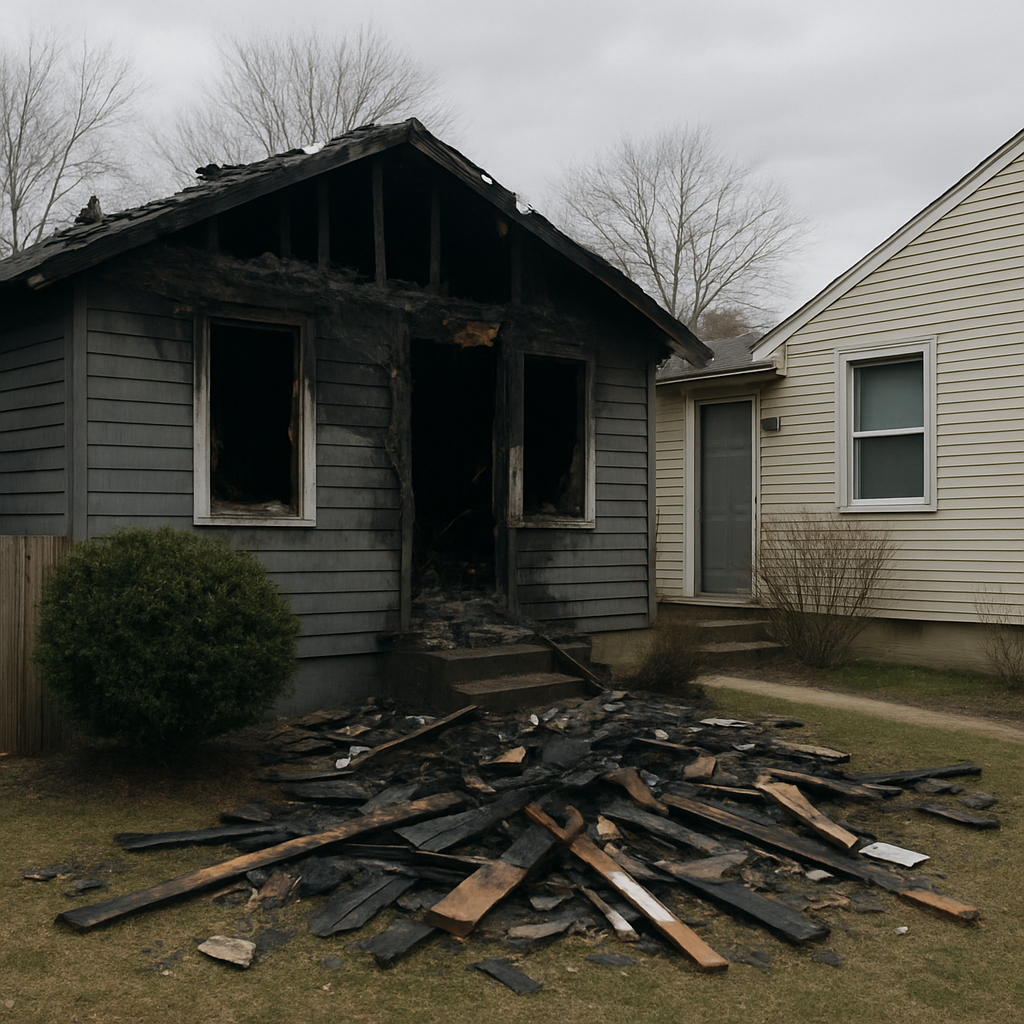
Why Some Families Grow Closer After Trauma
Traumatic experiences can shake the very foundation of a family’s life, whether caused by a sudden truck accident, a natural disaster, or a serious illness. These moments are deeply stressful, often leaving family members feeling fragile and uncertain. Yet, it is also true that many families grow closer after trauma, emerging from the hardship with stronger bonds and deeper understanding of one another. Exploring why this happens can offer reassurance, insight, and hope for families navigating difficult times.
Why Truck Accidents Affect Entire Households
Truck accidents are among the most severe types of road collisions, frequently leading to significant physical injuries and emotional distress. The shock of the event reverberates far beyond the individual directly involved. When a loved one is hurt, the entire household often feels the impact.
For instance, family routines must adjust to accommodate hospital visits, therapy sessions, and new caregiving responsibilities. Children might sense the anxiety of their caregivers or worry about their injured sibling or parent. Financial uncertainty can also add another level of stress, as many families find themselves adjusting budgets or taking on additional work.
But within these challenges lies a unique opportunity for families to come together. Navigating the aftermath of such an event often requires collaboration, increased communication, and shared problem-solving. These responses, while challenging, are also the seeds from which families grow closer after trauma.
Common Family Role Changes
In the wake of a serious incident like a truck accident, families often experience notable shifts in roles and responsibilities. A parent who typically goes to work each day may instead stay home to tend to an injured family member. An older sibling might take on new tasks, such as supervising younger children, helping with household chores, or providing emotional comfort.
Adjusting to these new roles can be difficult. At times, role changes bring about confusion, frustration, or a sense of loss. However, navigating this transition also opens up opportunities for empathy and appreciation. Family members may begin to notice the previously underappreciated efforts of one another, fostering greater respect and understanding.
As roles evolve, individuals often rise to the occasion, surprising themselves and their loved ones with newfound strengths. These changes, while initiated by necessity, can spark pride and gratitude within the family unit. Over time, this shared adaptation becomes a platform for solidarity, ultimately helping families grow closer after trauma.
Communication Challenges Families Face
Effective communication is a cornerstone of healthy relationships, yet it can be particularly challenging during times of stress. The aftermath of a truck accident, for example, may cause emotions to run high, leaving some individuals withdrawn, while others may struggle with irritability or impatience.
Common communication challenges include:
– Avoiding difficult conversations out of fear of causing more pain
– Misunderstanding each other’s intentions or emotions
– Bottling up feelings in an attempt to appear strong for others
Addressing these challenges requires openness, patience, and sometimes external guidance. Families that learn to share their fears or anxieties, celebrate small victories together, or simply listen supportively to one another often build deeper trust. Finding ways to communicate honestly, even when the topics are uncomfortable, can be a major factor in why some families grow closer after trauma.
Long-Term Emotional Adjustment Patterns
In the months and years following trauma, families often cycle through various stages of emotional adjustment. Early on, reactions may be marked by confusion, anger, or sadness. However, over time, many families find their way to acceptance and resilience.
Key factors that influence long-term adjustment include:
1. Shared Meaning-Making: Families who reflect together on the significance of the traumatic event can find comfort within their collective narrative. Discussing what was lost or changed and identifying lessons learned may foster a sense of unity and shared purpose.
2. Resilience Building: As individuals and groups, families may participate in activities that help them process their emotions—whether through counseling, support groups, or creative outlets. Developing resilience skills, such as problem-solving and stress management, supports both recovery and cohesion.
3. Ongoing Support Systems: Families that maintain routines and traditions, or who seek support from their extended network of friends and relatives, often feel less isolated. These connections provide a cushion during hard times and a sounding board for discussing feelings and fears.
Ultimately, it’s the process of adapting together—sharing burdens and celebrating progress—that solidifies bonds. For many, the memory of overcoming adversity side by side becomes a source of pride and a touchstone for future challenges. This is a key reason why families grow closer after trauma; they know firsthand what it means to lean on each other.
Neutral Closing Paragraph
Traumatic events such as truck accidents can be life-changing, affecting every member of the family in unique ways. While the path is often difficult, many families discover a new depth of closeness and mutual support as they journey through recovery together. By embracing changes, openly navigating challenges, and finding strength in shared experiences, families can emerge from trauma with deeper connections and greater resilience. Each family’s experience is different, but the capacity for growth and healing remains a powerful possibility.