
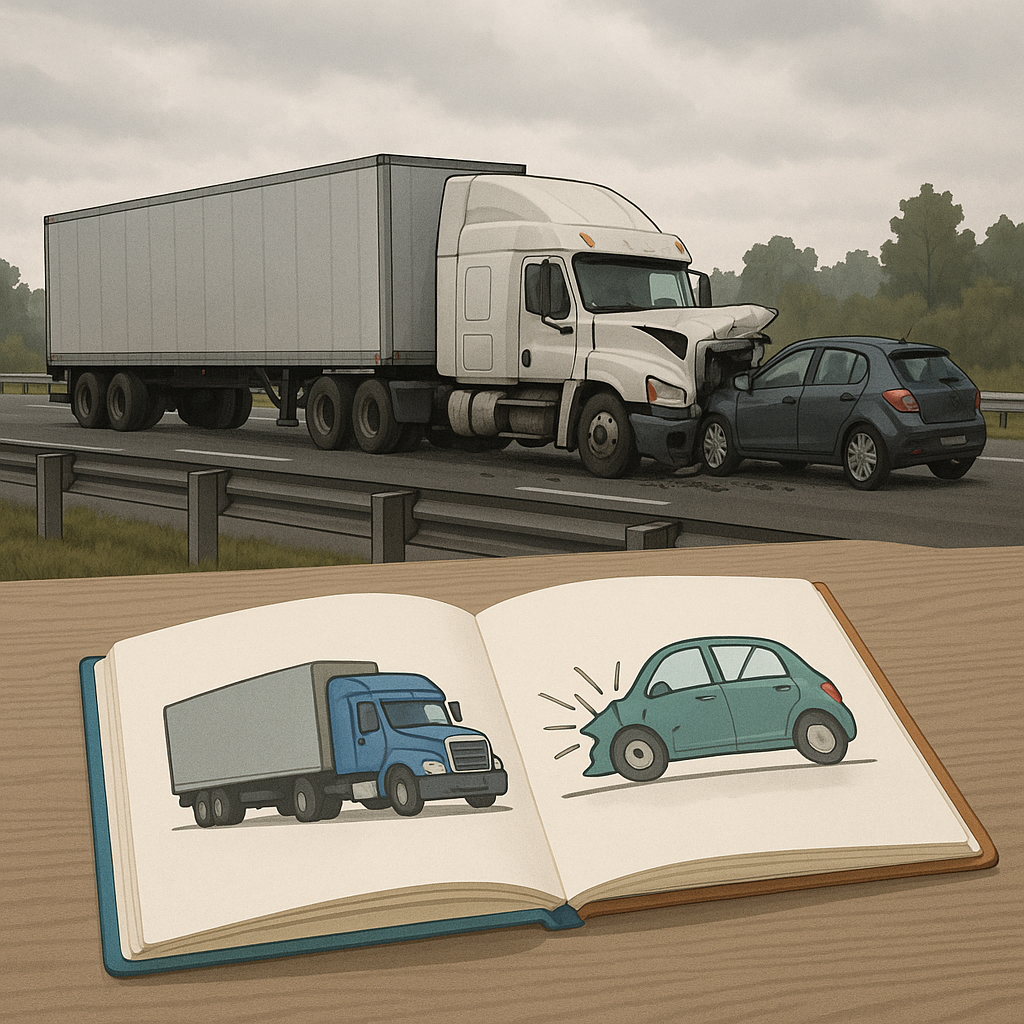
Explaining Truck Accidents to Children
Trucks are a familiar sight on highways and roads. As children ride in family cars or see trucks at grocery stores, they may not think much about the size and power that these vehicles hold. But when a truck accident happens—especially if it affects someone they love—it’s important for parents and caregivers to help children understand what occurred in a reassuring, age-appropriate way. Explaining truck accidents to children is never easy, but it can help kids feel safer, foster emotional healing, and strengthen family bonds during a challenging time.
Why Truck Accidents Affect Entire Households
When a truck accident occurs, the impacts extend far beyond the scene of the crash. The size and force of a truck mean the consequences can be especially serious. If a member of the family, a friend, or even a neighbor is involved, it can ripple through everyone’s daily life.
Children may not fully grasp what a “truck accident” means at first. They might notice physical injuries, see worried adults, or overhear discussions that make them feel uneasy. Even if children are not directly involved, they can sense the changes in routines, moods, and family dynamics. For households, this event often brings a blend of confusion and concern.
Kids might have questions:
– “Will Dad be okay?”
– “Why can’t Mom drive me to school now?”
– “Is it dangerous to be near trucks?”
Honest, gentle explanations give kids the reassurance they need. Letting children know that adults are working hard to keep everyone safe can go a long way to restoring their sense of security.
Common Family Role Changes
After a truck accident, families may need to adjust how they do things. These role changes can be challenging, especially for young children who thrive on routine and predictability.
Changes Children Might Notice
1. Shifts in Caregiving: If a parent or caregiver is hurt and needs rest or hospital care, another family member may take over. An aunt, grandparent, or family friend may step in to help with meals, school pickups, or bedtime routines.
2. New Chores or Responsibilities: Older children might be asked to help more around the house, such as watching younger siblings, doing extra chores, or helping with errands. Even small changes can feel big to a child.
3. Less Attention or Playtime: Sometimes adults become busier managing medical appointments or paperwork. Children may notice parents or caregivers are tired, distracted, or less available for play and conversation.
4. Temporary Moves or Changes in Living Arrangements: In some cases, families may need to stay with relatives or friends while a loved one recovers.
Helping Kids Adapt
Open conversations make these changes less frightening. Caregivers can explain that while things feel different for a while, the family is working together to help each other. Encourage children to share their feelings and ask questions. Validating their worries and reminding them that they are loved and cared for helps them adapt to new roles.
Communication Challenges Families Face
Communication is always important in families, and it becomes even more crucial after a truck accident. Addressing children’s curiosity and anxieties about the incident in an age-appropriate, simple manner is key to helping them feel supported.
Common Communication Barriers
– Unanswered Questions: Sometimes adults avoid talking about the accident to protect children, but silence may leave kids imagining scenarios that are even worse.
– Complex Details: Explaining medical terms or the details of the accident itself may be too advanced for children.
– Emotional Overwhelm: When adults are coping with their own feelings, they may not have the energy to talk with kids as often as they usually do.
– Mixed Messages: Different adults may give different explanations, causing confusion.
Building Healthy Conversations
When explaining truck accidents to children, it helps to:
– Use simple, honest language: “There was a crash and Grandpa got hurt. The doctors are helping him get better.”
– Address both facts and feelings: “It’s normal to feel scared or confused when things like this happen.”
– Reassure them of safety: “We’re being careful, and there are people helping us.”
– Answer questions as truthfully as possible without frightening details.
– Check in regularly to see how your child is feeling and invite them to talk any time.
A calm, open approach helps children feel understood and keeps lines of communication strong.
Long-Term Emotional Adjustment Patterns
The effect of a truck accident may last much longer than the event itself. Children process trauma and worry in their own unique ways and at their own pace.
Patterns You May Notice
– Temporary Regressions: Young children might return to earlier behaviors like thumb-sucking or have trouble sleeping.
– New Fears: Children may become afraid of trucks, car rides, or being separated from loved ones.
– Mood Changes: Feeling sad, angry, or clingy are common reactions. Some kids may withdraw, while others may act out.
– Questions Over Time: As children grow and understand more, they might return to the subject, seeking new explanations.
Supporting Long-Term Healing
Routine, patience, and love are essential. Encourage positive coping mechanisms, such as drawing, storytelling, or play. Maintain familiar schedules whenever possible, as this gives children a sense of stability. If emotional changes persist, consider seeking support from school counselors, mental health professionals, or family resource centers specializing in child trauma.
Remember, most children are resilient and will adjust with time and support.
Moving Forward Together
Explaining truck accidents to children is an exercise in compassion, patience, and honesty. By providing age-appropriate information, inviting open conversations, and maintaining supportive routines, families can help children feel safe and understood as they navigate the changes that come after a truck accident. Above all, showing children that their concerns are heard and that their feelings matter builds lasting trust—helping everyone move forward, together, one day at a time.