
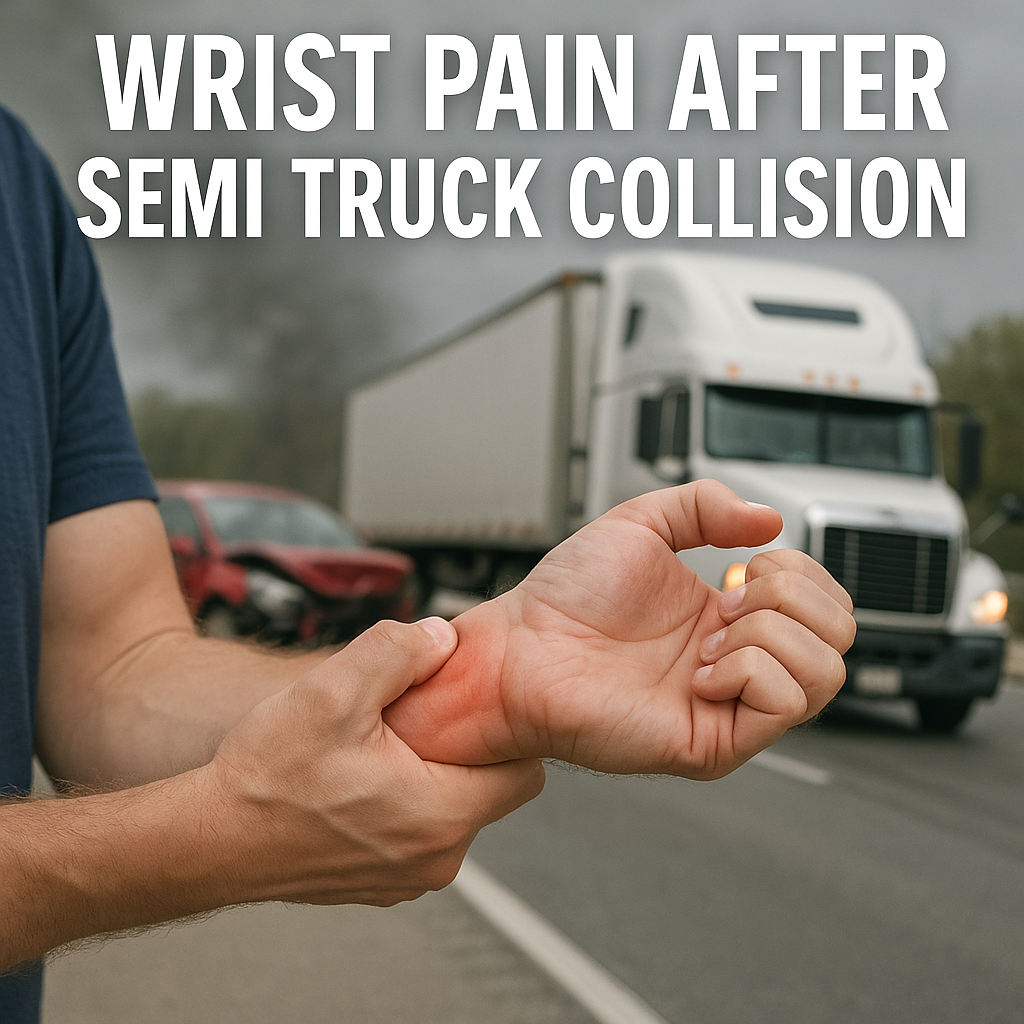
Wrist Pain After a Semi Truck Collision
When people experience a semi truck collision, the immediate aftermath is often confusing and overwhelming. While the most obvious concerns are major injuries, less visible symptoms—such as wrist pain—can also arise and potentially impact daily life. Understanding why symptoms like wrist pain appear, how they evolve, and why it’s important to observe them closely is crucial in the recovery process. This article explores the phenomenon of wrist pain after a semi truck collision, patterns people may observe, and considerations for ongoing self-monitoring.
Why Symptoms Can Appear After Truck Accidents
Semi truck accidents tend to involve large vehicles and substantial forces, which can result in both obvious and subtle impacts on the body. The body’s instinctive response during a collision—such as gripping the wheel tightly or bracing for impact—can place sudden and unusual stress on the joints, especially the wrists.
Several factors can contribute to the development of wrist pain after a semi truck collision:
– Forceful Impact or Abrupt Movements: Hands are often positioned on the steering wheel, dashboard, or elsewhere when a crash occurs. The sudden transfer of energy can cause unnatural twisting, hyperextension, or direct blunt contact to the wrists.
– Protective Reflexes: As an instinct, people may reach out or tense up to “brace” themselves just before an impact, unconsciously increasing the strain on the wrist’s complex structure of bones, ligaments, tendons, and muscles.
– Delayed Response to Trauma: Some wrist injuries are not immediately obvious due to adrenaline and shock. As these chemicals subside, lingering discomfort may surface.
The nature of wrist pain after semi truck collisions varies widely, highlighting the need to pay careful attention to new or changing symptoms in the days and weeks following an accident.
Common Symptom Patterns (No Medical Instructions)
People who notice wrist pain after a semi truck collision often describe a collection of sensations and experiences rather than a single, uniform feeling. It’s important to recognize the diversity of symptom patterns, as each reflects the individualized response of the body to trauma.
Some common patterns include:
– Stiffness or Reduced Flexibility: The wrist might feel especially stiff when trying to move it, bend it, or rotate it. People may notice these limitations most while performing daily tasks, such as opening doors, using utensils, or typing.
– Aching or Throbbing Pain: Wrist pain can be persistent or intermittent, ranging from a dull ache at rest to sharper discomfort with movement. Often, the pain may increase at the end of the day or after using the hand for extended periods.
– Swelling or Tenderness: Some individuals observe visible swelling, mild redness, or warmth around the wrist area. This may make wearing watches, jewelry, or tight clothing uncomfortable.
– Altered Sensation: Tingling, numbness, or a “pins and needles” feeling can sometimes develop. These changes may be especially noticeable when changing wrist position or during specific activities.
– Weakness or Difficulty Gripping: Tasks that once seemed simple—like holding a cup, turning a doorknob, or carrying groceries—might suddenly feel challenging due to weakness or fatigue in the wrist.
It is important to note that some people may experience a combination of these symptoms, while others may only experience one or two. The pain and discomfort often ebb and flow, sometimes easing with rest and returning with activity. Each pattern tells a story about how the body is adjusting after the high-impact event of a collision.
Why Symptoms Can Change Over Time
Wrist pain after a semi truck collision is not a static experience. Instead, the nature and intensity of symptoms often evolve over hours, days, or even weeks. Several dynamics contribute to these patterns:
– Post-Adrenaline Realization: In the immediate aftermath, heightened adrenaline levels can mask pain. As these levels normalize, sensations such as pain, stiffness, or weakness may become more apparent.
– Inflammatory Response: The body’s natural healing process includes inflammation—a process that can develop gradually. Swelling and discomfort may increase one to two days post-collision, sometimes peaking before subsiding.
– Activity Levels: As people return to regular activities or attempt to use their hands and wrists more fully, new symptoms may arise or intensify due to repeated strain or overuse.
– Compensatory Movements: When one area of the body is sore, people often adjust their movements to minimize discomfort. These compensations can place additional stress on other joints or tissues, potentially causing new or altered symptoms over time.
– Delayed Onset of Certain Complaints: Not all symptoms are immediate. Some tissues in the wrist, including ligaments and tendons, can take time to react to trauma, leading to delayed onset of pain, swelling, or stiffness.
The fluctuating nature of wrist pain after a semi truck collision highlights how crucial it is for individuals to continually observe their symptoms, noting any changes in character or intensity.
When People Typically Start Monitoring Symptoms
It is common for individuals to pay more attention to their physical state in the hours and days following a semi truck collision, especially as the initial shock wears off. For many, the monitoring process begins when pain or functional difficulty interferes with routine activities or when new or unexpected sensations arise. The motivation to observe symptoms often increases if:
– Pain prevents participation in work, hobbies, or household tasks
– There is visible swelling or changes in appearance of the wrist or hand
– Sensations such as numbness, tingling, or weakness develop or worsen
– Symptoms persist beyond a few days, despite expectant rest or self-care
Consciously tracking symptoms, such as by keeping a simple journal or taking note of specific activities that trigger pain, helps individuals provide detailed information if they seek advice from healthcare or insurance professionals. It also enables people to notice and describe any changes over time, which can be valuable during any consultative or assessment process.
Neutral Closing Paragraph
Wrist pain after a semi truck collision can be a complex and evolving experience, reflecting the body’s intricate response to high-force events. Understanding why these symptoms emerge, how they develop, and the value of monitoring physical changes can help individuals approach their post-accident recovery with greater awareness. By staying attentive to the patterns and changes in symptoms, people can be more informed and proactive about their well-being in the weeks and months following a collision.